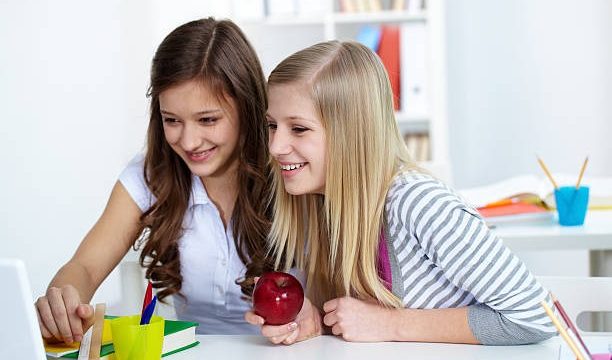
In today’s educational landscape, the importance of teamwork and cooperation in the classroom cannot be overstated. As students navigate through various subjects and projects, the ability to work collaboratively not only enriches their learning experience but also nurtures essential life skills. Fostering an environment where students feel encouraged to cooperate can lead to deeper understanding, enhanced creativity, and a sense of community that transcends academic boundaries.
Creating a nurturing atmosphere begins with understanding the unique dynamics of each classroom. Every student brings their own strengths, weaknesses, and perspectives, and it is this diversity that can fuel effective teamwork. Encouraging students to value each other’s contributions can transform the classroom into a vibrant space where ideas flourish. When students feel safe to express themselves, they are more likely to engage in discussions and share thoughts that lead to collective learning.
A small shift toward balance can be achieved through simple, thoughtful interactions. Teachers can model cooperative behavior by actively participating in group activities alongside students. This not only demonstrates the value of teamwork but also shows students that collaboration is a shared responsibility. When teachers join in, it helps to break down barriers, making them more approachable and relatable. This connection can encourage students to feel more comfortable in expressing their ideas and opinions, knowing that their voices matter.
Incorporating group projects into the curriculum can also serve as a catalyst for cooperation. These projects provide students with opportunities to work together toward a common goal. When planning these activities, it’s essential to consider the diverse strengths of each student. Assigning roles based on individual skills can foster a sense of ownership and accountability. For instance, a student who excels in research can take on the role of information gatherer, while another who enjoys public speaking can lead the presentation. This approach not only empowers students but also teaches them the importance of relying on one another’s strengths.
Encouraging open communication is another cornerstone of effective teamwork. Creating a classroom culture where students feel comfortable sharing their thoughts and ideas can lead to richer discussions and innovative solutions. Teachers can facilitate this by incorporating regular check-ins or discussion circles, where students can voice their opinions in a respectful environment. This practice not only builds trust but also reinforces the idea that every contribution is valuable. As students learn to listen to each other, they develop empathy and understanding, essential components of successful collaboration.
In addition to fostering communication, integrating fun team-building activities can enhance cooperation among students. Simple games or challenges that require teamwork can break the ice and build camaraderie. These activities promote a sense of belonging, allowing students to see each other as allies rather than competitors. Whether it’s a scavenger hunt or a creative problem-solving task, the focus should be on collaboration rather than individual achievement. Celebrating the successes of the group, no matter how small, reinforces the idea that working together leads to greater accomplishments.
Another gentle approach to promoting teamwork is through peer mentoring. Pairing students with different skill levels can create opportunities for mutual learning. A student who struggles in a particular subject may benefit from the guidance of a peer who has mastered the material. Conversely, the mentor can reinforce their own understanding by teaching concepts to someone else. This reciprocal relationship not only fosters academic growth but also builds confidence and cooperation.
It’s also important to recognize and celebrate diversity in the classroom. Each student brings a unique background, culture, and perspective that can enrich group work. Encouraging students to share their experiences fosters an inclusive environment where everyone feels valued. This practice not only enhances cooperation but also broadens students’ horizons, allowing them to appreciate different viewpoints and approaches to problem-solving.
As students engage in cooperative learning experiences, it’s crucial to reflect on the process. Teachers can guide discussions that allow students to share what they learned from working together, what challenges they faced, and how they overcame them. This reflection not only reinforces the skills they’ve developed but also encourages a growth mindset. Students learn that mistakes are part of the learning process and that collaboration often leads to finding creative solutions to obstacles.
Incorporating technology can also play a role in encouraging teamwork. Online collaborative tools allow students to work together, regardless of their physical location. Whether they are sharing documents, brainstorming ideas on a digital whiteboard, or participating in virtual discussions, technology can enhance the collaborative experience. This exposure to digital collaboration prepares students for future work environments where teamwork is often facilitated through technology.
Ultimately, the goal of encouraging teamwork and cooperation in the classroom is to prepare students for life beyond school. The ability to work effectively with others is a skill that will serve them well in their future careers and personal lives. By fostering a culture of collaboration, teachers are not just enhancing academic performance; they are also nurturing responsible, empathetic individuals who understand the value of community.
As we reflect on the importance of teamwork in education, let us remember that each small step taken toward encouraging cooperation can lead to significant changes. By creating an environment where students feel empowered to collaborate, we are laying the foundation for a brighter future—one where individuals work together to create, innovate, and inspire. In the end, the friendships formed and the lessons learned through teamwork will resonate far beyond the classroom walls, shaping the leaders of tomorrow.