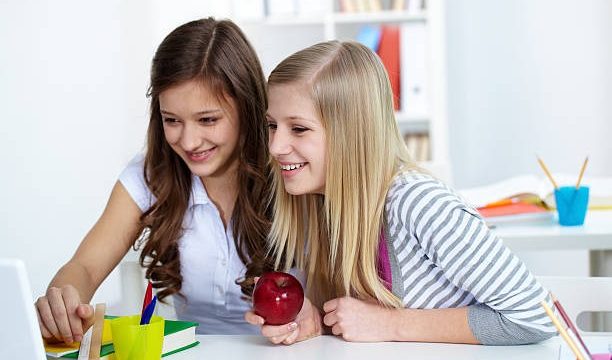
Creating an environment that encourages teamwork among students with learning disabilities is a journey filled with compassion, understanding, and creativity.
As educators, parents, and peers, it is essential to recognize that these students possess unique strengths and perspectives.
By fostering collaboration, we not only enhance their educational experience but also enrich the classroom community as a whole.
Building connections through shared experiences can be a powerful tool for promoting teamwork. Group activities, whether in the classroom or during extracurricular events, allow students to interact in a supportive setting. When students with learning disabilities participate in team projects, they can showcase their individual skills while learning from one another. This not only helps them develop social skills but also instills a sense of belonging.
Creating an inclusive atmosphere is paramount. It is important to ensure that every student feels valued and understood. This begins with open communication and empathy. Taking the time to understand the unique challenges faced by students with learning disabilities can help foster a more inclusive environment. Teachers can hold discussions with students about their individual strengths, preferences, and areas where they may need support. This practice not only encourages students to express themselves but also allows their peers to gain insight into the diverse ways in which people learn and communicate.
A gentle shift toward balance can be achieved by incorporating diverse learning strategies that cater to a variety of needs. For example, using visual aids, interactive activities, and hands-on projects can engage students with different learning styles. When students work together on tasks that combine various approaches, they learn to appreciate each other’s contributions and develop mutual respect. This balance creates a safe space where all students can thrive and support one another.
Incorporating cooperative learning techniques can also enhance teamwork among students. Group tasks that require collaboration and shared responsibility can be particularly effective. For instance, students can be assigned roles that play to their strengths while encouraging them to step outside their comfort zones. This not only allows them to shine but also helps them understand the importance of relying on one another. When students see their peers succeeding, it can motivate them to participate more actively and develop their own skills.
Encouraging reflection can be a valuable aspect of teamwork. After group activities, providing time for students to discuss what they learned and how they felt during the process can deepen their understanding of teamwork. This reflection can take the form of informal conversations or guided discussions. By sharing their experiences, students not only build connections but also learn from each other’s perspectives. This practice fosters a sense of community and encourages empathy, which is essential for effective teamwork.
Celebrating small victories can also play an important role in promoting teamwork. Recognizing the achievements of individuals and groups reinforces positive behavior and encourages students to support one another. Simple acknowledgments, whether verbal praise or small tokens of appreciation, can go a long way in building confidence. When students feel appreciated for their contributions, they are more likely to engage and collaborate in future projects.
Creating a sense of purpose is another effective way to promote teamwork. When students understand the significance of their collaborative efforts, they are more likely to invest themselves in the process. Assigning projects that have real-world applications or community impact can motivate students to work together toward a common goal. This sense of shared purpose not only enhances their teamwork skills but also helps them see the value of their contributions.
It is also important to involve families in fostering teamwork. Parents and guardians can play a crucial role in supporting their children’s collaborative efforts. Encouraging families to participate in school events or group projects can strengthen the bond between home and school. When students see their families engaged, it reinforces the importance of teamwork and community.
Encouraging peer mentoring can be a wonderful way to foster teamwork among students. Pairing students with learning disabilities with peers who can offer support and guidance can create meaningful connections. This relationship not only benefits the student receiving help but also empowers the mentor. They learn valuable leadership skills, patience, and empathy. Such connections can lead to lasting friendships and a stronger sense of community within the classroom.
As we work to encourage teamwork in students with learning disabilities, it is essential to recognize that it is a process. Progress may be gradual, and challenges will arise. However, with patience and understanding, we can create an environment where every student feels empowered to contribute. The journey toward fostering teamwork is not just about enhancing academic performance; it is about nurturing the social and emotional development of each student.
In conclusion, promoting teamwork among students with learning disabilities is a multifaceted endeavor that requires a compassionate approach. By creating an inclusive environment, employing diverse learning strategies, and celebrating achievements, we can help students develop essential social skills and a sense of belonging. As we encourage collaboration, we are not only enriching their educational experience but also contributing to a more empathetic and understanding world. Together, we can build a community where every student feels valued and capable of achieving great things.