In today’s educational landscape, creating lessons that resonate with students is more essential than ever.
The challenge lies in connecting with young minds that are not just absorbing information but are eager to engage with the world around them.
When lessons are tailored to resonate with students’ experiences, interests, and aspirations, learning becomes a shared journey rather than a one-sided lecture.
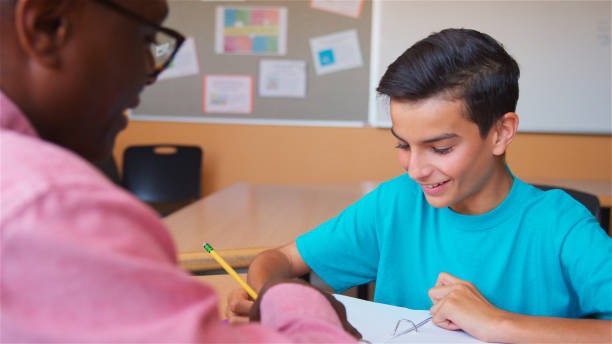
Understanding the student experience is a pivotal first step in crafting meaningful lessons. Every student comes with a unique background, a distinct set of experiences, and a variety of interests. Taking the time to learn about these differences fosters an environment where students feel valued and understood. It encourages them to participate actively, share their thoughts, and express themselves freely in the classroom.
Incorporating students’ interests into lesson plans can significantly enhance their engagement. For instance, if a student is passionate about music, integrating songs or rhythm into a lesson on language arts can make the subject more relatable. Similarly, using popular culture references or current events can spark interest and make learning feel relevant. When students see themselves reflected in the material, they are more likely to connect with it on a deeper level.
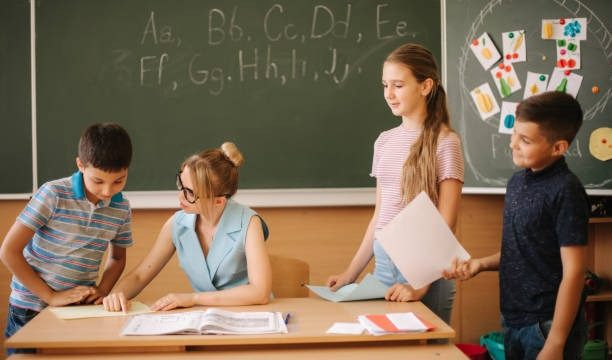
Creating a sense of community within the classroom is another vital aspect of connecting lessons with students. When students feel secure and supported, they are more willing to take risks, ask questions, and express their opinions. Activities that promote teamwork and collaboration can help build this sense of belonging. Group projects, discussions, or even small sharing circles can cultivate a supportive environment, allowing students to learn from one another while also developing their social skills.
A gentle shift toward emotional intelligence can also play a crucial role in lesson creation. Encouraging students to recognize and express their emotions can lead to a more harmonious classroom atmosphere. Incorporating mindfulness practices, such as brief moments of reflection or breathing exercises, can help students center themselves and be present in the moment. When students feel emotionally balanced, they are more prepared to engage with the content and with each other.
Additionally, providing choices in learning can empower students and enhance their connection to the material. When students have a say in how they learn, whether through project topics, presentation formats, or even the types of assessments they prefer, they often take greater ownership of their education. This sense of autonomy can be incredibly motivating and can lead to a more invested classroom experience.
The role of storytelling in lessons cannot be overstated. Stories have a unique ability to capture attention and evoke emotions. When educators weave narratives into their teaching, they can create a powerful connection between the material and the students’ lives. Whether sharing personal anecdotes or introducing characters from literature, storytelling can make lessons more engaging and memorable. It allows students to see the human side of learning and to relate to the lessons on a personal level.
Incorporating technology thoughtfully can also enhance connections in the classroom. Digital tools can provide interactive and dynamic ways for students to engage with the material. Online discussions, collaborative projects using virtual platforms, or even educational games can create an immersive learning experience. However, it’s important to strike a balance; technology should enhance, not replace, the human interactions that are so vital in education.
Fostering a growth mindset in students can change the way they approach learning. Celebrating effort over perfection encourages them to embrace challenges and view mistakes as opportunities for growth. By creating lessons that emphasize resilience and the importance of learning from setbacks, educators can help students develop a lifelong love of learning. This mindset shift can lead to greater engagement and a more profound connection to the material.
Creating lessons that connect with students also means being adaptable. The ability to adjust plans based on student feedback or classroom dynamics is crucial. Sometimes, the best lessons come from spontaneous discussions or unexpected questions. Being flexible allows educators to seize those moments, making learning more relevant and responsive to students’ needs.
A supportive classroom culture can flourish when educators model vulnerability and authenticity. Sharing their own learning experiences—both successes and challenges—can help students see their teachers as relatable figures. This openness fosters trust and allows students to feel comfortable sharing their own experiences. When students know that their educators are invested in their growth, they are more likely to engage wholeheartedly in the learning process.
Lastly, reflecting on lessons after they are taught can provide valuable insights into what worked and what didn’t. Engaging in self-reflection allows educators to continuously improve their teaching strategies and better connect with their students. Gathering feedback from students can also offer a fresh perspective and help tailor future lessons to meet their needs more effectively.
Creating lessons that connect with students is an ongoing journey that requires empathy, creativity, and a willingness to adapt. By understanding students’ backgrounds, tapping into their interests, and fostering a supportive environment, educators can craft experiences that resonate deeply. When students feel connected to their lessons, they not only learn more effectively but also cultivate a lifelong curiosity about the world around them. Ultimately, it’s about nurturing a love for learning that extends beyond the classroom, shaping students into engaged, thoughtful individuals ready to explore the vast possibilities of life.