Creating a nurturing environment for students is essential for fostering positive interactions and enhancing their overall learning experience.
Teachers often seek innovative lesson plans that not only engage students but also encourage a sense of community and collaboration.
Here are some thoughtful ideas that can help spark positive interactions in the classroom.
A gentle approach to collaboration
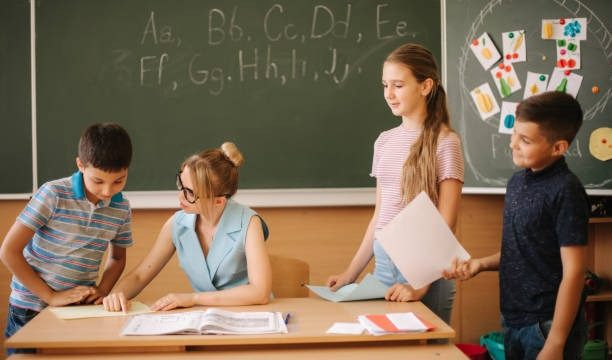
One effective way to enhance student interaction is to incorporate collaborative projects into your lesson plans. Consider assigning group tasks that require students to work together toward a common goal. This could be as simple as a group presentation or as elaborate as a project-based learning experience where students must research, design, and present their findings on a particular topic.
By working in groups, students learn to communicate effectively, share ideas, and appreciate diverse perspectives. It’s important to create an atmosphere where everyone feels comfortable contributing. You might establish ground rules for respectful communication and encourage students to listen actively to one another. This not only fosters a sense of belonging but also builds essential social skills that will benefit them beyond the classroom.
Creating shared experiences
Incorporating shared experiences into your lesson plans can also enhance student interaction. Activities such as class debates, role-playing scenarios, or even interactive storytelling can create moments of connection among students. These experiences allow them to step into each other’s shoes, promoting empathy and understanding.
For instance, in a history lesson, you might have students enact a particular event or debate historical figures’ viewpoints. This immersive approach encourages students to engage with the material and each other in a meaningful way. It helps them to see the relevance of what they are learning while also developing their communication skills.
A small shift toward balance
It’s also beneficial to incorporate mindfulness and emotional well-being into your lesson plans. Taking a moment for mindfulness exercises can help students center themselves and create a calming environment. This could be a simple breathing exercise or a few minutes of silent reflection at the beginning or end of a lesson. When students feel grounded, they are more likely to engage positively with their peers.
Additionally, consider integrating activities that promote emotional intelligence. Discussing feelings, sharing experiences, or practicing active listening can all contribute to a more empathetic classroom culture. Encouraging students to express their thoughts and emotions in a safe space can lead to deeper connections and understanding among classmates.
Fostering creativity through expression
Art and creativity can be powerful tools for enhancing interaction among students. Incorporating creative projects into your lesson plans, such as collaborative art projects, music, or drama, allows students to express themselves in unique ways. These activities often encourage teamwork, as students must work together to create something meaningful.
For example, you might have students collaborate on a mural that reflects their collective identity or create a class song that incorporates themes from their studies. Such projects not only foster creativity but also build a sense of ownership and pride within the classroom community. Students learn to appreciate each other’s talents and contributions, further enhancing their interactions.
Encouraging peer mentorship
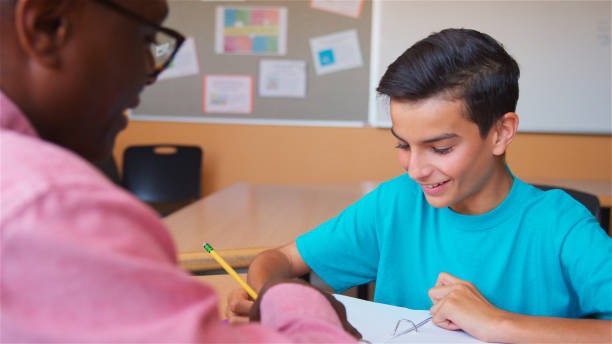
Peer mentorship can also play a significant role in promoting positive interactions. Pairing students for activities or projects can allow them to learn from one another and build supportive relationships. This could involve pairing older students with younger ones or creating buddy systems within the classroom.
This approach nurtures a sense of responsibility and encourages students to support one another in their learning journeys. It can also help break down social barriers, as students from different backgrounds and skill levels come together to collaborate and learn.
Creating a safe space for dialogue
Establishing a classroom environment that encourages open dialogue is essential for fostering positive interactions. Creating a safe space where students feel comfortable sharing their thoughts and opinions can lead to richer discussions and collaborations. Consider implementing regular check-ins or discussion circles where students can express their feelings about the class, their learning, or even personal experiences.
These moments can help students feel heard and valued, fostering trust and camaraderie among peers. When students understand that their voices matter, they are more likely to engage positively with one another.
The importance of feedback
Feedback is a vital component of the learning process, and it can also enhance student interactions. Encouraging students to provide constructive feedback to one another can foster a culture of growth and support. Teach them how to give and receive feedback in a respectful manner, focusing on the work rather than the individual.
This practice not only helps students improve their work but also strengthens their ability to communicate effectively. When students feel comfortable sharing their thoughts on each other’s work, it builds confidence and encourages a collaborative spirit.
Celebrating achievements together
Finally, celebrating achievements, both big and small, can significantly enhance positive interactions in the classroom. Recognizing individual and group accomplishments fosters a sense of community and pride. Consider dedicating time to celebrate milestones, whether through a simple acknowledgment during class or a more formal celebration.
These moments of recognition can help students feel valued and connected to their peers. When students celebrate each other’s successes, it cultivates an environment of encouragement and support, which is essential for positive interactions.
In conclusion, creating lesson plans that promote positive student interactions requires creativity, empathy, and a focus on collaboration. By incorporating activities that foster teamwork, emotional intelligence, and creativity, teachers can cultivate a classroom environment where students feel safe, supported, and engaged. With thoughtful planning and a kind approach, educators can inspire meaningful connections that enhance the learning experience for all.