In our fast-paced world, the way we interact with one another can sometimes feel rushed or even impersonal. Yet, at the heart of our daily experiences lies a simple truth: respectful peer interaction is essential for fostering a harmonious environment, whether in schools, workplaces, or social settings. By nurturing respect among peers, we can create a supportive atmosphere that encourages personal growth and meaningful connections.
At its core, respectful interaction is about recognizing and valuing the individuality of each person we encounter. It involves listening actively, showing empathy, and responding thoughtfully. This approach not only enhances our relationships but also contributes to a culture of kindness and understanding. Imagine walking into a room where everyone feels valued and heard; the energy shifts, and collaboration flourishes.
A small shift toward balance can make a significant difference. When we consciously choose to engage with others in a respectful manner, we set a tone that encourages those around us to do the same. It starts with the little things—offering a warm greeting, making eye contact during conversations, or simply taking the time to listen without interruption. These seemingly minor actions can create ripples of positivity that extend far beyond the initial interaction.
One important aspect of respectful peer interaction is the art of listening. In a world filled with distractions, truly hearing what someone has to say can be a powerful gift. When we listen actively, we not only validate the speaker’s feelings but also open ourselves up to new perspectives. This exchange can lead to deeper understanding and connection, fostering an environment where everyone feels safe to express themselves.
Empathy plays a crucial role in this dynamic as well. By putting ourselves in someone else’s shoes, we can better appreciate their experiences and emotions. This understanding can help us respond with compassion rather than judgment, creating a supportive dialogue. For instance, if a colleague is facing challenges at work, approaching them with empathy can transform a potentially tense situation into an opportunity for collaboration and support.
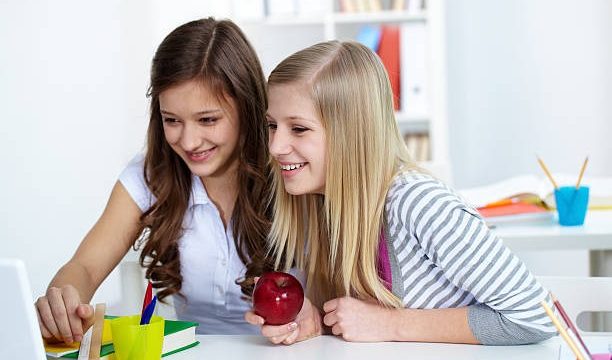
In educational settings, encouraging respectful peer interaction is particularly vital. Schools are not just places for academic learning; they are also social environments where students develop crucial life skills. By promoting respect among peers, educators can help students cultivate healthy relationships and develop a strong sense of community. This can be achieved through activities that encourage teamwork, discussion, and reflection on the importance of kindness and respect.
Creating a culture of respect requires consistent effort from everyone involved. It’s about modeling the behavior we wish to see in others. When leaders—be it teachers, managers, or community organizers—demonstrate respectful interaction, they set a powerful example for those around them. This modeling can inspire others to follow suit, creating a positive feedback loop that reinforces the importance of respectful communication.
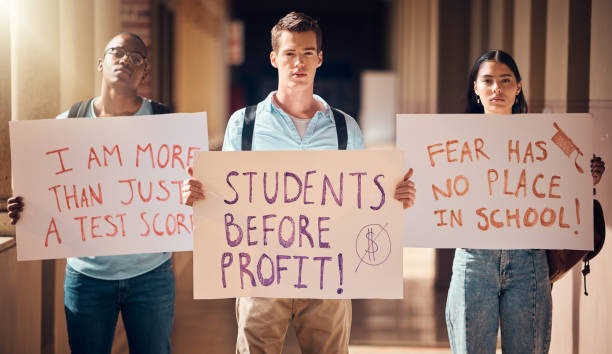
Furthermore, it’s essential to address instances of disrespect when they arise. Ignoring negative behavior can perpetuate a cycle of misunderstanding and conflict. Instead, addressing these moments with care and compassion can help to restore balance. By fostering open dialogue about what constitutes respectful interaction, we can create an environment where everyone feels empowered to speak up and share their thoughts.
The impact of respectful peer interaction transcends individual relationships. When respect is woven into the fabric of a community, it creates a sense of belonging that benefits everyone. People are more likely to collaborate, share ideas, and support one another when they feel valued. This sense of unity can lead to increased creativity and productivity, whether in the classroom or the workplace.
As we navigate our daily lives, it’s important to remember that each interaction is an opportunity to practice respect. Whether we’re chatting with a friend, collaborating with a coworker, or engaging with a stranger, our words and actions carry weight. By choosing to approach each encounter with kindness and understanding, we can contribute to a more respectful and harmonious world.
In personal relationships, the power of respectful interaction cannot be overstated. It lays the foundation for trust and intimacy, enabling individuals to feel safe in expressing their thoughts and feelings. When we treat our peers with respect, we invite them to do the same, creating a nurturing environment where everyone can thrive.
As we strive to encourage respectful peer interaction, it’s helpful to reflect on our own behaviors and attitudes. Are there areas where we can improve? Perhaps we can practice more active listening or be more mindful of our tone and body language. A small commitment to personal growth can lead to significant changes in our interactions with others.
In conclusion, fostering respectful peer interaction is not just a personal endeavor; it’s a collective journey towards building a supportive and understanding community. By embracing empathy, practicing active listening, and modeling respectful behavior, we can create spaces where everyone feels valued and heard. Ultimately, the effort we put into nurturing respect among peers enriches our lives and the lives of those around us, paving the way for deeper connections and a more harmonious existence. In a world that often feels divided, let us choose to be the catalysts for positive change, one interaction at a time.