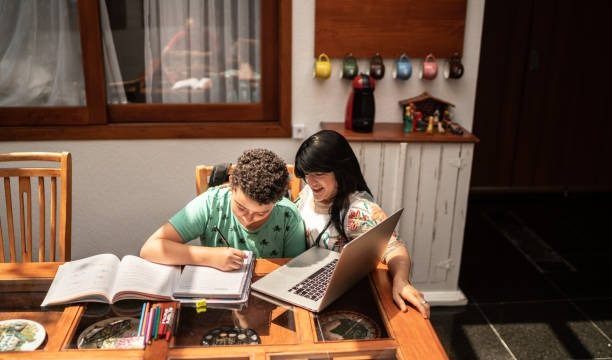
Creating a classroom environment that fosters engagement and interaction is a pursuit that many educators find both rewarding and challenging.
Effective lesson planning is at the heart of this endeavor, serving as a bridge between traditional teaching methods and the dynamic, participatory approaches that resonate with today’s learners.
When we think about lesson planning, it often evokes images of carefully crafted outlines, meticulously prepared materials, and a rigid adherence to curriculum guidelines. However, the essence of effective lesson planning goes beyond mere logistics. It’s about envisioning a space where students feel empowered, curious, and eager to participate. The journey begins with understanding the needs and interests of your students, allowing their unique perspectives to shape the learning experience.
A gentle shift toward connection can transform a lesson from a simple transfer of knowledge into a vibrant exchange of ideas. Start by getting to know your students—what excites them? What challenges do they face? This approach not only enriches the content but also builds a sense of community within the classroom. When students feel valued and understood, they are more likely to engage actively in discussions and collaborative activities.
One of the keys to interactive learning is incorporating varied teaching methods that cater to different learning styles. While some students thrive in traditional lecture formats, others may find greater success through hands-on activities, group projects, or digital tools. By diversifying your lesson plans, you create opportunities for all students to shine. Consider integrating multimedia presentations, interactive simulations, or even simple group discussions to break the monotony and invite participation.
Creating a safe space for dialogue is crucial. Encourage students to share their thoughts and questions without fear of judgment. This can be achieved by establishing ground rules that promote respect and active listening. By fostering an environment where students feel comfortable expressing themselves, you not only enhance their learning experience but also cultivate critical thinking skills.
As you design your lessons, think about the flow. A well-structured lesson has a rhythm that guides students through the learning process. Begin with an engaging hook that captures attention, perhaps a thought-provoking question or a relevant story. From there, transition gently into the core content, allowing space for exploration and interaction. Finally, wrap up with a reflective conclusion that encourages students to synthesize what they’ve learned. This thoughtful progression helps maintain focus and keeps students engaged.
Incorporating technology can also elevate the interactive nature of your lessons. Platforms that facilitate collaboration, such as discussion boards or shared documents, can enhance communication among students. Additionally, consider using educational apps or interactive quizzes to make learning more dynamic. The key is to seamlessly integrate these tools into your lesson plans, ensuring they add value rather than distract from the learning objectives.
A small shift toward flexibility can also make a significant difference. While having a detailed lesson plan is important, being open to spontaneity can lead to unexpected learning moments. If a student raises a compelling question or a discussion veers into an intriguing direction, allow yourself to explore it. This kind of adaptability not only enriches the learning experience but also demonstrates to students the importance of curiosity and open-mindedness.
Collaboration among students is another powerful tool for fostering an interactive classroom. Group activities encourage teamwork and help students learn from one another. When planning these activities, consider the dynamics of the group. Mixing students with different strengths and perspectives can lead to richer discussions and deeper understanding. It’s also essential to provide clear guidelines and support to help groups stay focused and productive.
Reflection plays a vital role in the learning process. After each lesson, take a moment to assess what worked well and what could be improved. Gathering feedback from students can provide valuable insights into their experiences and preferences. This practice not only enhances your future lesson planning but also empowers students to take ownership of their learning journey.
As you refine your lesson planning skills, remember that the ultimate goal is to inspire a love for learning. When students feel engaged and connected to the material, they are more likely to develop a lifelong passion for knowledge. This is not just about imparting facts; it’s about nurturing curiosity, creativity, and critical thinking.
Creating a classroom that thrives on interaction and engagement doesn’t happen overnight. It requires patience, experimentation, and a willingness to grow alongside your students. Embrace the journey, and allow yourself to be inspired by the unique energy that each group brings to the learning environment.
Ultimately, effective lesson planning is a dance between structure and spontaneity, between guidance and freedom. As educators, we have the privilege of shaping the minds of future generations. By thoughtfully designing lessons that invite participation and exploration, we can create a space where students feel seen, heard, and empowered to learn.
In the end, it’s about crafting an experience that resonates with students on a personal level, igniting their passion for learning and encouraging them to engage with the world around them. When we approach lesson planning with creativity and compassion, we not only enhance our teaching practices but also contribute to the holistic development of our students. This journey is not just about the destination; it’s about the connections we build and the lives we touch along the way.