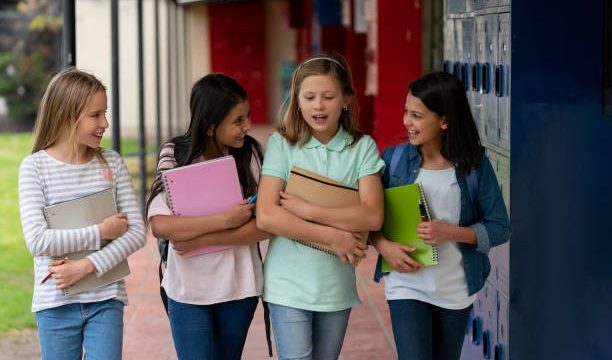
Creating a welcoming space for diverse learners is not just about physical environments; it’s about fostering an atmosphere where every individual feels valued, understood, and inspired to grow.
In today’s world, our classrooms, workplaces, and community spaces are more diverse than ever.
This diversity brings a wealth of perspectives and experiences, enriching our interactions and enhancing our collective learning. However, it also calls for intentional efforts to ensure that every learner feels included and empowered.
A gentle embrace of individuality
To cultivate a welcoming space, it’s essential to recognize and embrace the unique qualities each learner brings. This involves more than just acknowledging differences in background, culture, or learning style. It’s about creating an environment where these differences are celebrated. When learners feel that their identities are recognized and respected, they are more likely to engage authentically in their learning experiences.
One effective way to foster this sense of belonging is through the physical layout of a space. Classrooms and meeting areas should reflect the diversity of the individuals who occupy them. This can be achieved by incorporating artwork, literature, and resources that represent a variety of cultures and perspectives. By doing so, learners can see themselves reflected in their environment, which can enhance their sense of identity and belonging.
Encouraging open dialogue
Another crucial aspect of a welcoming space is the promotion of open dialogue. When learners feel safe to express their thoughts and questions, it creates a dynamic environment where everyone can learn from one another. Encouraging discussions that explore different viewpoints helps to break down barriers and fosters mutual respect. This can be particularly important in diverse settings, where misunderstandings may arise from differing cultural norms or communication styles.
Creating opportunities for collaboration can enhance this dialogue further. Group projects or peer-to-peer learning can allow individuals to share their unique insights and experiences, enriching the learning process for everyone involved. It’s important to structure these activities in a way that values each participant’s contributions, ensuring that no one feels overshadowed or marginalized.
A small shift toward balance
Inclusivity also means being aware of the various learning needs within a group. Each learner may have different ways of processing information, and recognizing these differences is vital to creating a balanced environment. Some may thrive in traditional lecture settings, while others may benefit more from hands-on activities or visual aids. By offering a range of learning modalities, educators and facilitators can cater to diverse preferences, allowing everyone to engage in a way that feels comfortable and effective.
Additionally, flexibility in teaching approaches can make a significant difference. This could mean adjusting lesson plans based on the needs of the group or providing alternative assessment methods that allow learners to demonstrate their understanding in various ways. Such adaptability not only supports diverse learning styles but also empowers individuals to take ownership of their educational journey.
Nurturing emotional well-being
Creating a welcoming space for diverse learners also involves nurturing emotional well-being. Emotional safety is a cornerstone of effective learning. When individuals feel anxious or unwelcome, their ability to absorb information diminishes. Establishing a culture of kindness and support can go a long way in alleviating these feelings.
Encouraging mindfulness practices can be beneficial in this regard. Simple activities such as guided breathing exercises or quiet reflection time can help learners center themselves and reduce stress. When individuals feel calm and secure, they are more likely to engage positively with their peers and the material being presented.
Building a community of support
A strong sense of community is integral to fostering a welcoming environment. When learners feel connected to one another, they are more likely to support each other through challenges. This sense of camaraderie can be cultivated through team-building activities, social gatherings, or even informal group discussions. When individuals see themselves as part of a larger community, it fosters a sense of responsibility toward one another, enhancing the overall atmosphere of the space.
It’s also essential to involve families and the broader community in this process. Engaging with parents, guardians, and local organizations can provide additional support and resources, creating a more holistic approach to learning. When families feel welcome and included, it sends a message that the learning environment is a shared space where everyone has a role to play.
Reflecting on continuous growth
Creating a welcoming space for diverse learners is an ongoing journey. It requires reflection and a willingness to adapt as needs evolve. Regularly seeking feedback from learners can provide valuable insights into what is working and what may need adjustment. This commitment to continuous growth not only enhances the learning environment but also models a growth mindset for all individuals involved.
In conclusion, a welcoming space for diverse learners is about more than just physical attributes; it is about cultivating an atmosphere of respect, understanding, and support. By embracing individuality, encouraging open dialogue, and nurturing emotional well-being, we can create environments where every learner feels empowered to thrive. As we move forward in our diverse world, let us commit to fostering spaces that honor and celebrate the richness of our differences, ultimately leading to a more inclusive and harmonious society.