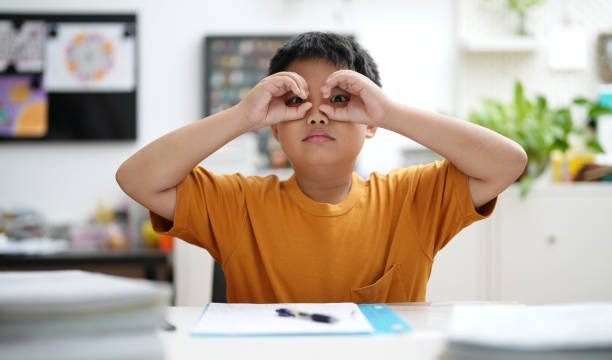
In today’s world, where diversity is celebrated and differences embraced, the concept of inclusive education emerges as a gentle yet powerful force.
It invites us to think beyond the traditional classroom setup and encourages a harmonious blending of various learning styles, abilities, and backgrounds.
Inclusive education is not merely a strategy; it is a philosophy rooted in the belief that every child deserves the opportunity to learn and thrive in a nurturing environment.
A small shift toward balance
The beauty of inclusive education lies in its ability to create a balanced learning atmosphere. Imagine a classroom filled with children of different abilities, each bringing their unique perspectives and talents. This diversity enriches the educational experience, allowing students to learn from one another and develop empathy and understanding. When children engage with peers who have varied experiences, they not only grow academically but also emotionally and socially.
Creating an inclusive environment starts with recognizing that every learner has unique needs. Teachers play a pivotal role in this journey, adapting their teaching methods and materials to ensure that all students can access the curriculum. This could mean incorporating visual aids, hands-on activities, or collaborative projects that cater to different learning styles. By fostering a space where everyone feels valued, educators help students build confidence and a sense of belonging.
The power of collaboration
Collaboration is at the heart of inclusive education. It extends beyond the classroom, involving families, community members, and specialists working together to support each child’s learning journey. When parents actively participate in their child’s education, it creates a seamless connection between home and school. This partnership not only enhances learning but also empowers families, allowing them to share their insights and experiences.
In many cases, collaboration includes the involvement of special education professionals. These experts provide invaluable support, offering strategies and resources that can make a significant difference in a child’s educational experience. By working together, teachers and specialists can create tailored learning plans that address individual strengths and challenges, ensuring that every student has the opportunity to flourish.
Embracing differences
Another essential aspect of inclusive education is the celebration of differences. Each child brings a unique story shaped by their background, culture, and experiences. In an inclusive classroom, these differences are not just acknowledged; they are embraced as valuable assets. Through activities that highlight cultural diversity, students can learn about one another’s traditions and perspectives, fostering a sense of respect and appreciation.
This approach not only enriches the learning environment but also helps children develop crucial social skills. As they interact with peers from various walks of life, they learn to communicate effectively, resolve conflicts, and work collaboratively. These skills are vital not just in school, but throughout life, preparing them for a world that thrives on diversity and teamwork.
Nurturing emotional well-being
Inclusive education goes beyond academics; it also prioritizes emotional well-being. Children who feel safe and supported are more likely to engage in their learning and take risks. Creating an emotionally nurturing environment requires sensitivity and awareness. Teachers can implement practices such as mindfulness, social-emotional learning, and positive reinforcement to help students manage their emotions and build resilience.
Moreover, it’s essential to foster a culture of kindness and acceptance within the classroom. Encouraging students to support one another, whether through peer tutoring or group projects, cultivates a sense of community. When children understand that everyone faces challenges, they become more compassionate and willing to help each other.
The role of technology in inclusivity
In our increasingly digital age, technology plays a significant role in promoting inclusive education. Adaptive tools and resources can bridge gaps in learning, making it easier for students with different needs to engage with the material. From educational apps that cater to various learning styles to assistive devices that support communication, technology can enhance the learning experience for all.
Furthermore, online platforms can facilitate collaboration and connection among students, allowing them to work together regardless of physical limitations. This flexibility opens doors for those who may struggle in traditional settings, enabling them to participate fully in their education.
Looking to the future
As we look ahead, the importance of inclusive education will only continue to grow. The world is becoming more interconnected, and our educational systems must reflect this reality. By fostering an environment where all students can learn together in harmony, we prepare future generations to thrive in a diverse society.
The journey towards inclusive education is ongoing. It requires commitment from educators, families, and communities to advocate for policies and practices that promote equity and access. When we embrace this journey, we not only enrich the lives of individual students but also contribute to a more compassionate and understanding world.
In conclusion, learning together in harmony through inclusive education is a beautiful tapestry woven from the threads of diversity, collaboration, and empathy. It allows us to recognize the value in each individual and creates a nurturing environment where everyone can flourish. As we continue to champion inclusive practices, we take meaningful steps toward a brighter, more inclusive future for all learners. Together, we can create a world where every child feels seen, heard, and empowered to reach their fullest potential.