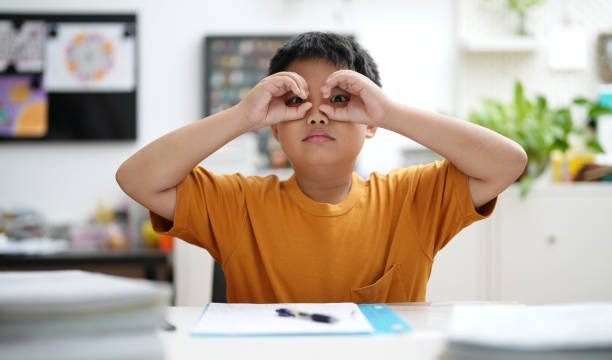
Inclusive education is a concept that resonates deeply in today’s diverse society.
It embodies the idea that every child, regardless of their background or abilities, should have the opportunity to learn and grow in a setting that values their unique contributions.
This approach not only fosters individual development but also nurtures a sense of community among students, encouraging equal participation and mutual respect.
The essence of inclusive education lies in its recognition of diversity. In a classroom filled with children from various backgrounds, each student brings their own experiences, perspectives, and talents. This rich tapestry of differences can enhance the learning experience for everyone. When educators embrace this diversity, they create an environment where students feel valued and understood, motivating them to engage more fully in their education.
A small shift toward balance can make a world of difference. Traditionally, educational systems have often been structured around a one-size-fits-all model, which can leave some students feeling marginalized. However, inclusive education challenges this norm by promoting tailored approaches that cater to individual needs. Teachers are encouraged to adapt their teaching styles and materials, ensuring that every student can access the curriculum in a way that resonates with them. This might mean using varied instructional strategies, incorporating technology, or providing additional support for those who need it.
The role of educators in fostering an inclusive environment cannot be overstated. Teachers who are committed to inclusive education often go above and beyond to understand their students. They take the time to learn about their interests, strengths, and challenges. This personal connection not only builds trust but also allows teachers to create lessons that are engaging and relevant. When students see that their teachers care about them as individuals, they are more likely to participate actively in class discussions and collaborative projects.
In inclusive classrooms, collaboration is a key element. Students learn to work together, share ideas, and support one another. This cooperative spirit is not just beneficial for academic success; it also nurtures social skills and emotional intelligence. When students engage in group activities, they practice listening, empathy, and problem-solving—skills that are essential for life beyond school. They learn that everyone has something valuable to contribute, regardless of their abilities or experiences.
Creating an inclusive educational environment also involves the wider community. Families play a crucial role in supporting their children’s learning journeys. Schools that actively involve parents and caregivers in the educational process tend to see greater success. By fostering open lines of communication and encouraging parental participation in school events, educators can help create a more cohesive support system for students. This partnership between home and school reinforces the idea that education is a shared responsibility, and when families and schools work together, students thrive.
The benefits of inclusive education extend far beyond the classroom. As students learn to appreciate diversity and practice collaboration, they develop a sense of belonging that can last a lifetime. These experiences shape their worldview, helping them grow into empathetic and open-minded adults. In a world that often feels divided, the lessons learned in inclusive classrooms can inspire future generations to embrace differences and work towards a more equitable society.
In recent years, there has been a growing recognition of the importance of mental health in education. Inclusive education can play a significant role in promoting well-being among students. When children feel accepted and included, they are less likely to experience feelings of isolation or anxiety. Schools that prioritize inclusivity often report higher levels of student satisfaction and lower rates of bullying. By fostering a positive school climate, educators can help ensure that every child feels safe and supported.
As we look to the future, the movement towards inclusive education is gaining momentum. Educational policies are increasingly reflecting the need for equitable access to learning for all students. This shift is not just about compliance; it is about creating a culture of understanding and acceptance. It is about recognizing that every child has the right to learn in an environment that respects their unique identity.
Ultimately, inclusive education encourages equal participation by fostering a sense of belonging and community among students. It challenges us to rethink traditional educational practices and embrace innovative approaches that honor diversity. By valuing each student’s contributions and providing tailored support, we can create classrooms where everyone has the opportunity to shine.
In conclusion, inclusive education is more than just a teaching philosophy; it is a commitment to nurturing every child’s potential. As we continue to advocate for inclusive practices, we pave the way for a more compassionate and understanding world. By encouraging equal participation, we not only enhance individual learning experiences but also cultivate a society where everyone is valued for who they are. In this journey toward inclusivity, we have the power to inspire change, one classroom at a time.