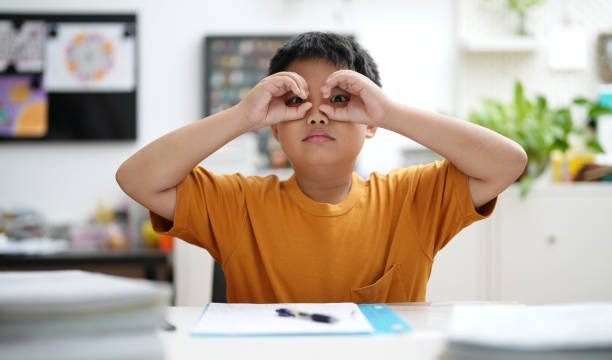
In today’s rapidly changing world, the concept of inclusive education has taken on a new significance.
It’s not just a matter of accommodating students with disabilities; it’s about fostering an environment where every individual, regardless of their age or background, feels valued and empowered to learn.
A positive approach to inclusive education invites us to embrace diversity and recognize that each person brings unique strengths and perspectives to the table.
Inclusive education is more than just a policy or a set of practices; it’s a philosophy that transforms the way we think about learning and teaching. At its core, it promotes the idea that everyone, from young children to older adults, has the right to access quality education in a supportive setting. This approach encourages collaboration, understanding, and mutual respect among learners, making the educational experience richer for everyone involved.
Creating a welcoming atmosphere in educational settings begins with understanding the diverse needs of learners. Each individual has a unique story, shaped by personal experiences, cultural backgrounds, and varying abilities. By acknowledging these differences, educators can tailor their teaching strategies to meet the needs of all students, ensuring that everyone has the opportunity to thrive. This might mean employing various teaching methods, using different materials, or simply being flexible in how lessons are delivered.
A small shift toward balance can make a significant difference. For example, integrating cooperative learning activities can foster teamwork and empathy among students. When learners work together on projects, they not only share their knowledge but also learn to appreciate the diverse perspectives of their peers. This collaborative spirit nurtures a sense of belonging and helps break down barriers that often exist in traditional learning environments.
Incorporating inclusive practices in education also requires a commitment to ongoing professional development for educators. Training programs that focus on diversity, equity, and inclusion can equip teachers with the tools and knowledge they need to create inclusive classrooms. This professional growth benefits not only the educators themselves but also the students, as teachers become more adept at recognizing and addressing individual needs.
Moreover, the role of families and communities in supporting inclusive education cannot be overstated. Parents and caregivers are essential partners in the educational journey, and their involvement can significantly enhance the learning experience. By fostering open communication between schools and families, educators can gain valuable insights into each student’s background, strengths, and challenges. This collaborative approach helps create a cohesive support system that nurtures each learner’s growth.
As we consider inclusive education for all ages, it’s essential to recognize that learning doesn’t stop in the classroom. Lifelong learning is a vital aspect of personal and professional development. Whether through adult education programs, community workshops, or informal learning opportunities, individuals of all ages can benefit from inclusive educational practices. Emphasizing accessibility and adaptability in these settings allows everyone to engage in learning at their own pace and in a manner that suits their unique needs.
Furthermore, technology plays a pivotal role in promoting inclusivity in education. With the rise of online learning platforms and digital resources, education has become more accessible than ever before. These tools can be tailored to accommodate various learning styles and abilities, providing opportunities for personalized learning experiences. However, it’s crucial to ensure that technology is used thoughtfully and inclusively, considering the diverse needs of all learners.
A positive approach to inclusive education also involves cultivating a culture of respect and kindness. Encouraging students to practice empathy and understanding toward their peers fosters a supportive learning environment. Activities that promote social-emotional learning can help students develop essential skills such as communication, conflict resolution, and self-awareness. These skills are not only beneficial in the classroom but also in everyday interactions outside of school.
As we look to the future, it’s important to continue advocating for inclusive practices in education. This means challenging stereotypes and misconceptions about learning differences and promoting awareness of the value that diverse perspectives bring to our communities. By fostering an inclusive mindset, we can create a ripple effect that extends beyond the classroom, encouraging a society that values and uplifts every individual.
Ultimately, the goal of inclusive education is to ensure that everyone has the opportunity to thrive and succeed, regardless of their background or abilities. It’s about recognizing that education is a shared journey, one that benefits from the contributions of all participants. When we embrace inclusivity, we not only enrich the educational experience but also build a stronger, more connected community.
In conclusion, a positive approach to inclusive education for all ages invites us to celebrate diversity, foster collaboration, and promote lifelong learning. By creating environments that are welcoming and supportive, we can empower individuals to reach their full potential. As we continue to champion inclusivity in education, we pave the way for a brighter, more equitable future—one where every learner can shine.