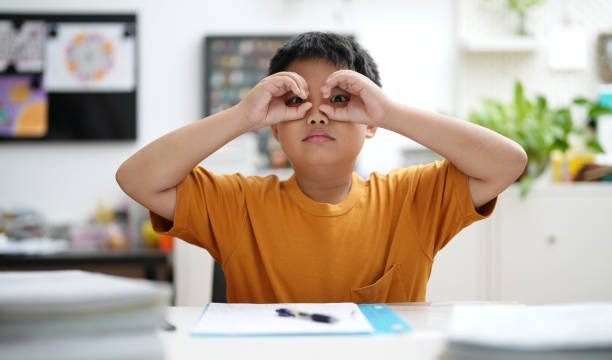
Inclusive education is more than just a practice; it’s a philosophy that reshapes the educational landscape, creating spaces where every student feels valued and connected.
In a world that often emphasizes differences, inclusive education invites us to focus on what brings us together.
It fosters an environment where diversity is celebrated, allowing students to learn from one another while cultivating empathy, understanding, and collaboration.
A gentle shift toward understanding
At its core, inclusive education is about recognizing and embracing the unique contributions each student brings to the classroom. It acknowledges that every child learns differently and that these differences should be seen as strengths rather than obstacles. This shift in perspective is pivotal. When educators create an inclusive environment, they not only enhance academic outcomes but also cultivate a sense of belonging among their students.
Imagine a classroom where students with various abilities, backgrounds, and experiences come together. Here, the focus isn’t solely on individual achievements but on collective growth. Teachers play a crucial role in this process, guiding students to appreciate one another’s strengths and challenges. When students engage in collaborative projects, they learn to communicate effectively, solve problems together, and develop a profound respect for one another. This interaction lays the groundwork for lasting friendships and mutual support, reinforcing a community spirit.
Creating connections through collaboration
One of the most beautiful aspects of inclusive education is the way it nurtures relationships. When students work together, they share ideas, challenge each other’s thinking, and celebrate successes as a group. This collaborative approach not only enriches the learning experience but also helps break down barriers that often separate individuals.
Consider a project where students are tasked with designing a community garden. Each child might bring their own perspective to the table—some may have gardening experience, while others might be adept at organizing and planning. Through this shared endeavor, students learn to appreciate diverse viewpoints and skill sets. They discover that by working together, they can achieve something greater than they could alone. This realization is empowering and instills a sense of responsibility toward one another.
The role of educators in building bridges
Teachers are the architects of inclusive education, designing environments where every student can thrive. Their role extends beyond simply delivering lessons; they must also cultivate an atmosphere of acceptance and encouragement. By setting clear expectations for respectful interactions and modeling inclusive behavior, educators lay the foundation for positive relationships among students.
Professional development in inclusive practices is essential for teachers. This ongoing education equips them with the tools to address various learning needs and to implement strategies that promote engagement and participation from all students. When teachers are well-prepared, they can better facilitate an inclusive environment that celebrates diversity and encourages collaboration.
A ripple effect of kindness
The impact of inclusive education reaches far beyond the classroom. When students learn to embrace differences and work collaboratively, they carry these values into their daily lives. The friendships formed in inclusive settings often extend beyond school hours, creating a network of support that fosters kindness and understanding in the wider community.
As students grow into compassionate individuals, they become advocates for inclusion in various aspects of life. They learn the importance of standing up for others, valuing diverse opinions, and creating spaces where everyone feels welcome. This ripple effect can transform communities, promoting a culture of acceptance and understanding.
The joy of shared experiences
Inclusion also allows for a wealth of shared experiences that enrich the educational journey. Whether it’s through group activities, field trips, or school events, students have the chance to bond over common interests and shared goals. These moments of connection are vital; they help students develop social skills and emotional intelligence, which are crucial for navigating the complexities of life.
When students collaborate on projects, participate in discussions, or engage in extracurricular activities together, they build memories that last a lifetime. These shared experiences become the fabric of their educational journey, creating a tapestry woven with stories of friendship, teamwork, and mutual respect.
Fostering a culture of empathy
At the heart of inclusive education is empathy. When students are exposed to diverse perspectives, they learn to understand and appreciate the experiences of others. This cultivation of empathy is essential, as it helps to create a more harmonious society. Students who grow up in inclusive environments are more likely to become compassionate adults who advocate for equity and justice.
Educators can foster empathy through various activities that encourage students to step into one another’s shoes. Storytelling, role-playing, and community service projects can all serve as powerful tools for building understanding and compassion. As students engage in these activities, they develop a deeper appreciation for the challenges faced by their peers, ultimately leading to stronger connections and a more cohesive classroom environment.
Embracing the journey of growth
Inclusive education is not a destination but a journey—a continuous process of growth and learning for both students and educators. As we embrace this journey, it is essential to remain open to feedback and willing to adapt our approaches. Each classroom is unique, and what works for one group of students may not work for another. Flexibility and a commitment to improvement are key to fostering an inclusive environment.
As we navigate this path, it’s important to celebrate the small victories along the way. Each act of kindness, every moment of connection, and each instance of collaboration contributes to a greater sense of community. These milestones remind us that the journey toward inclusivity is worth pursuing, not just for the students but for society as a whole.
In conclusion, inclusive education is a beautiful tapestry woven from the threads of diversity, empathy, and collaboration. It brings students closer together, fostering connections that last a lifetime. As we continue to embrace this philosophy, we create a world where every individual is valued, and every voice is heard. Together, we can build classrooms that not only educate but also inspire, uniting us all in the shared journey of learning and growth.