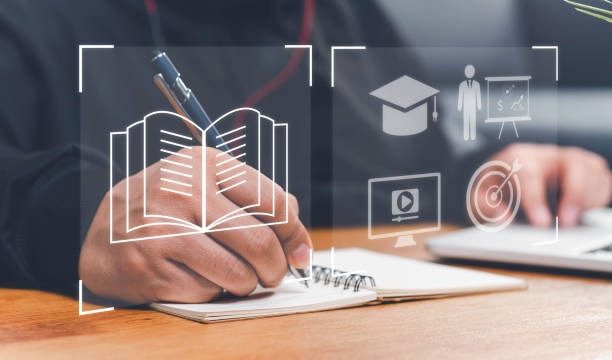
In the ever-evolving landscape of education, technology has emerged as a transformative force, reshaping the way we think about learning environments.
The concept of a digital classroom has taken root, blending traditional teaching methods with innovative tools that enhance the educational experience.
This integration of technology not only enriches the curriculum but also fosters a more engaging and personalized approach to learning.
The digital classroom is a space where students can access a wealth of information at their fingertips. Gone are the days when students relied solely on textbooks and lectures; today, the internet opens doors to countless resources, from educational videos to interactive simulations. This shift allows learners to explore topics in depth, catering to their individual interests and learning styles. Imagine a student curious about the solar system. With just a few clicks, they can watch a documentary, explore virtual reality experiences of space, or even engage in online discussions with peers from around the globe. This kind of immersive learning experience encourages curiosity and critical thinking, essential skills for the 21st century.
As technology continues to evolve, so too does the way educators approach teaching. Digital tools like learning management systems and collaborative platforms have made it easier for teachers to create dynamic lesson plans tailored to their students’ needs. These platforms allow for real-time feedback and communication, creating a more interactive classroom environment. Instead of merely receiving information, students can participate in discussions, ask questions, and collaborate on projects, fostering a sense of community even in a virtual setting.
Creating a supportive atmosphere is crucial in any learning environment. The digital classroom offers unique opportunities for educators to build connections with their students. Through video conferencing, teachers can engage with their students face-to-face, even if they are miles apart. This personal touch helps to establish rapport and trust, making students feel more comfortable expressing their thoughts and concerns. The ability to maintain these connections is especially important during challenging times when in-person interactions may be limited.
While technology enhances the educational experience, it also brings challenges that educators must navigate. The digital divide remains a significant concern, with some students lacking access to the necessary devices or reliable internet connections. This inequality can hinder their ability to participate fully in a digital classroom. Schools and communities are increasingly recognizing the importance of addressing these gaps, working together to ensure all students have the tools they need to succeed. By fostering an inclusive environment, educators can help bridge these divides and create equitable opportunities for learning.
In this digital age, the role of the teacher has evolved as well. Rather than being the sole source of knowledge, educators now act as guides, facilitating learning and encouraging exploration. This shift allows teachers to focus on nurturing students’ critical thinking and problem-solving skills. By incorporating technology into their teaching practices, educators can inspire creativity and innovation, encouraging students to take ownership of their learning journey.
A small shift toward balance is essential in the digital classroom. While technology offers numerous benefits, it is crucial to maintain a healthy relationship with screens. Educators can promote digital well-being by encouraging breaks and providing opportunities for hands-on, offline activities. This balance helps students develop essential life skills, such as time management and self-discipline, while also fostering a love for learning that extends beyond the digital realm.
The integration of technology into the classroom also opens the door to personalized learning experiences. With the help of adaptive learning software, students can progress at their own pace, receiving tailored resources that match their unique needs. This individualized approach empowers learners, allowing them to take charge of their educational journey. Instead of feeling overwhelmed by a one-size-fits-all curriculum, students can focus on mastering concepts before moving on, leading to a deeper understanding and retention of knowledge.
As we look to the future, the potential for technology in education is boundless. Emerging technologies such as artificial intelligence and augmented reality hold the promise of further enhancing the learning experience. Imagine students exploring historical events through immersive simulations or receiving personalized tutoring from AI-driven platforms. These advancements can make learning more engaging and accessible, setting the stage for a new era of education.
Yet, with every innovation, it is essential to remain grounded in the human aspect of learning. Technology should serve as a tool that complements the emotional and social dimensions of education. Building relationships, fostering empathy, and encouraging collaboration are integral parts of the learning process that cannot be replaced by technology. As we embrace digital classrooms, we must also prioritize the development of these essential skills, ensuring that students are well-rounded individuals prepared for the complexities of the world.
In conclusion, technology is undeniably shaping the landscape of digital classrooms, creating opportunities for enhanced learning experiences. By embracing these advancements while remaining mindful of the human connections that underpin education, we can cultivate an environment where students thrive. The journey into the future of learning is an exciting one, filled with possibilities that can inspire and empower the next generation. As we navigate this path together, let us continue to seek balance, ensuring that technology enriches education while nurturing the hearts and minds of our students.