In recent years, the world of education has undergone a remarkable transformation.
The rise of digital classrooms has not only changed how lessons are delivered but also how students interact with each other.
As technology continues to weave itself into the very fabric of learning, we find ourselves exploring a realm where collaboration flourishes in ways we might have only dreamed of a decade ago.
A gentle evolution in learning environments
Digital classrooms are more than just online platforms for delivering lectures; they create vibrant ecosystems where students can connect, share ideas, and work together, regardless of their physical locations. This shift from traditional classrooms to digital spaces has opened doors to innovative collaboration methods. No longer confined to the limitations of a physical classroom, students can engage with peers from diverse backgrounds, enriching their learning experiences.
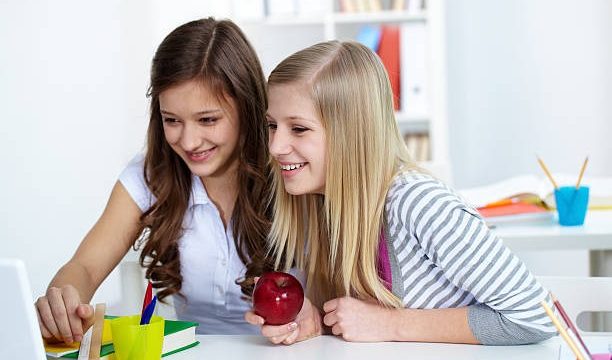
In these digital spaces, tools like discussion boards, video conferencing, and collaborative documents allow students to communicate seamlessly. Imagine a group of students brainstorming on a project, each contributing their unique perspectives and skills. This kind of interaction not only enhances their understanding of the subject matter but also teaches them valuable skills in teamwork and communication. The ability to collaborate with others, even from miles away, fosters a sense of community that is essential in today’s interconnected world.
Building connections through technology
One of the most beautiful aspects of digital classrooms is their ability to break down barriers. Students who may have felt shy or hesitant to speak up in a traditional setting often find their voices in a digital environment. Online discussions can provide a safe space for all students to express their thoughts and ideas, encouraging a more inclusive atmosphere. This shift helps to cultivate empathy and understanding among peers, as students learn to appreciate different viewpoints.
Moreover, the use of technology in education encourages students to take ownership of their learning. They can collaborate on projects at their own pace, accessing resources and information whenever they need. This flexibility allows for a deeper exploration of subjects, as students can dive into topics that pique their interest while still working together toward common goals. The freedom to learn and collaborate on their terms empowers students, fostering a sense of independence that is invaluable.
Nurturing creativity and innovation
Collaboration in digital classrooms also sparks creativity. When students work together on projects, they are often inspired by each other’s ideas. This exchange of thoughts can lead to innovative solutions and unique approaches to problems. For instance, a group of students might use digital tools to create a multimedia presentation that combines visual art, music, and storytelling. Such projects not only demonstrate their understanding of the subject matter but also allow them to express their creativity in ways that traditional methods may not.
In this collaborative space, students can experiment without the fear of failure. They can brainstorm, iterate, and refine their ideas in real time. The feedback they receive from their peers can be immediate and constructive, fostering an environment where learning becomes a shared journey. This camaraderie nurtures resilience, as students learn to navigate challenges together, supporting one another through the ups and downs of the creative process.
A small shift toward balance
While the benefits of digital classrooms are numerous, it is essential to strike a balance between online collaboration and personal interaction. As we embrace this new era of learning, we must also remember the importance of face-to-face communication. Building relationships in person remains a critical aspect of education, fostering trust and emotional connections that can be harder to cultivate in a purely digital space.
Encouraging students to engage in both online and offline collaboration can help achieve this balance. Schools can organize group projects that involve both digital tools and in-person meetings, allowing students to experience the best of both worlds. This hybrid approach not only enriches their learning experiences but also prepares them for the realities of the modern workforce, where collaboration often takes place in a variety of settings.
Creating a supportive ecosystem
As we navigate the ever-evolving landscape of education, it is crucial to create a supportive ecosystem that encourages collaboration. Educators play a vital role in fostering this environment. By incorporating collaborative projects into their curricula and providing guidance on effective communication strategies, teachers can help students develop the skills they need to thrive in both digital and traditional settings.
Moreover, parents and caregivers can support their children’s collaborative efforts by encouraging open communication about their experiences in digital classrooms. Engaging in conversations about teamwork, problem-solving, and creativity can reinforce the lessons learned in these collaborative environments, helping students internalize the value of working together.
Looking ahead with optimism
The future of education is bright, illuminated by the promise of digital classrooms. As students continue to collaborate in innovative ways, they are not only gaining knowledge but also building the interpersonal skills essential for success in life. The ability to work effectively with others, communicate ideas clearly, and approach problems with creativity will serve them well, no matter where their paths may lead.
In this journey, we can embrace the potential of technology to enhance collaboration while remaining mindful of the human connections that enrich our lives. By fostering environments that prioritize teamwork, creativity, and understanding, we can help students thrive in a world where collaboration is key.
As we adapt to this new landscape, let us celebrate the opportunities digital classrooms provide. Together, we can inspire the next generation of learners to embrace collaboration as a powerful tool for personal and academic growth, paving the way for a more connected and compassionate world.