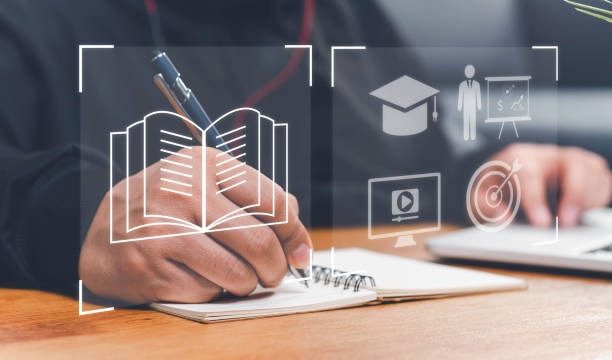
In today’s fast-paced world, the way we learn is evolving at an unprecedented rate.
Digital classrooms, once a novelty, have become an integral part of the educational landscape.
With the rise of technology, students now have the opportunity to engage in learning environments that are flexible, interactive, and tailored to their individual needs.
This shift is not just about convenience; it’s about enhancing student success in ways we are only beginning to understand.
A new way to connect
One of the most significant impacts of digital classrooms is the way they foster connection among students and educators. Traditional classrooms often limit interactions to those physically present, but digital platforms break down geographical barriers. Students can collaborate with peers from different parts of the world, gaining diverse perspectives that enrich their learning experience. This global connection encourages a sense of community, even in a virtual space, helping students feel less isolated in their educational journeys.
Moreover, educators can utilize various tools to create a more engaging atmosphere. Video conferencing, discussion boards, and collaborative documents allow for real-time interactions that mimic the dynamics of a physical classroom. This engagement can motivate students to participate more actively, leading to deeper understanding and retention of the material.
A tailored approach to learning
Every student has a unique learning style, and digital classrooms provide the flexibility to accommodate these differences. In a traditional setting, teachers often struggle to meet the diverse needs of their students due to time constraints and curriculum limitations. Digital platforms can offer personalized learning experiences, allowing students to progress at their own pace. Whether a student excels in math but struggles with literature or vice versa, digital classrooms can provide resources and support tailored to individual needs.
Additionally, the availability of various multimedia resources—videos, interactive simulations, and online quizzes—can cater to different learning preferences. This multimodal approach not only keeps students engaged but also helps them to grasp complex concepts more easily. When students can learn in ways that resonate with them, their confidence and success naturally flourish.
Fostering independence and responsibility
Digital classrooms also encourage students to take ownership of their learning. The self-directed nature of online education can empower students to become more responsible for their academic journeys. They learn to manage their time effectively, set goals, and seek help when needed. These skills are invaluable, not just for academic success but for life beyond the classroom.
With the freedom to explore topics of interest, students can delve deeper into subjects that fascinate them. This exploration fosters a love for learning that goes beyond mere grades. When students feel invested in their education, they are more likely to engage deeply and persist through challenges.
A supportive environment for all
Digital classrooms can create a more inclusive learning environment. Students who may have felt marginalized in traditional settings—whether due to shyness, disabilities, or other factors—often find their voices in online platforms. The anonymity of digital interactions can reduce anxiety, allowing students to participate more freely. This inclusivity can lead to richer discussions and a broader range of ideas, benefiting everyone involved.
Furthermore, educators can implement various tools to support students with different needs. For instance, text-to-speech software can assist those with reading difficulties, while video tutorials can provide additional explanations for complex subjects. By accommodating diverse learning needs, digital classrooms can help ensure that all students have the opportunity to succeed.
A bridge to the future
As we look toward the future, the role of digital classrooms in education will likely continue to expand. With advancements in technology, we may see even more innovative approaches to learning. Virtual reality, for example, has the potential to immerse students in historical events or scientific phenomena, making learning a truly experiential endeavor.
Moreover, the skills students acquire in digital classrooms—such as digital literacy, critical thinking, and adaptability—are essential in today’s workforce. As industries increasingly rely on technology, being comfortable in a digital environment will be a crucial asset. By embracing digital classrooms, we are not just enhancing academic success; we are preparing students for the challenges and opportunities that lie ahead.
A gentle reminder of balance
While the benefits of digital classrooms are numerous, it’s essential to strike a balance. Screen time can be a concern, and students must learn to manage their digital consumption wisely. Encouraging breaks, promoting offline activities, and fostering face-to-face interactions can help maintain a healthy relationship with technology. By integrating both digital and traditional learning methods, students can enjoy the best of both worlds.
Ultimately, the impact of digital classrooms on student success is profound. They offer new avenues for connection, personalized learning experiences, and the development of essential life skills. As we continue to navigate this digital age, it’s crucial to embrace the opportunities that come with it while remaining mindful of our well-being. In doing so, we can create an educational landscape that not only fosters academic achievement but also nurtures happy, well-rounded individuals.
The journey of learning is evolving, and with it, so are the ways we connect, grow, and succeed. By embracing the digital classroom, we open the door to a world of possibilities for every student. It’s an exciting time to be part of this transformation, and the future of education looks brighter than ever.