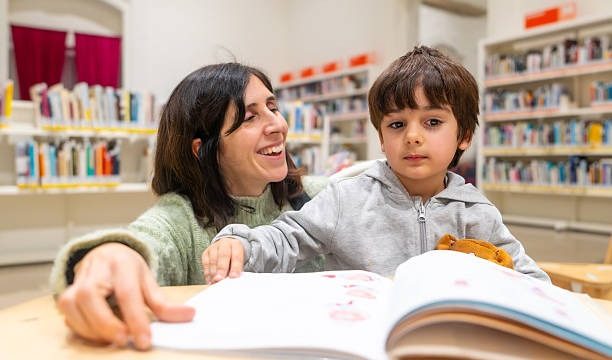
In a world brimming with technology and fast-paced information, it can be easy to overlook the timeless art of storytelling.
Yet, when it comes to enhancing student creativity, stories hold a unique and powerful place.
They are not merely tales spun for entertainment; they are gateways to imagination, fostering a deeper understanding of the world around us.
Stories have a magical ability to transport us into different realms, allowing us to experience emotions and perspectives that might be vastly different from our own. For students, this journey can be particularly transformative. Engaging with narratives—whether through books, films, or oral traditions—can spark a flame of creativity that encourages them to think outside the box.
As students immerse themselves in stories, they encounter characters with diverse backgrounds and complex motivations. This exposure nurtures empathy, enabling young minds to appreciate differing viewpoints and experiences. When students learn to see the world through the eyes of others, their own creative expressions become richer and more nuanced. They begin to understand that creativity is not just about originality; it’s about the connections we make and the stories we share.
Another fascinating aspect of storytelling is its ability to stimulate imagination. When students hear a captivating story, their minds begin to visualize the scenes, characters, and settings. This mental imagery is a crucial element of creativity. It encourages students to explore ideas, ask questions, and envision possibilities. In essence, stories serve as a canvas for their imaginations, allowing them to paint vivid pictures with their thoughts.
The act of storytelling itself can also be a wonderful creative outlet. When students are encouraged to create their own narratives, they engage in a process that requires critical thinking and self-expression. Whether it’s writing a short story, crafting a poem, or even designing a comic strip, the creative process invites them to explore their own ideas and emotions. This practice not only enhances their writing skills but also empowers them to find their unique voice.
In addition to developing individual creativity, stories can foster collaboration among students. Group storytelling activities—such as collaborative writing projects or storytelling circles—invite students to share their ideas and build upon one another’s contributions. This not only strengthens their communication skills but also teaches them the value of teamwork. When students work together to weave a narrative, they learn that creativity can flourish through collaboration, leading to innovative outcomes that might never have emerged in isolation.
A small shift toward balance can further enhance the impact of stories on student creativity. While traditional storytelling methods—like reading books or watching films—are essential, incorporating diverse storytelling formats can enrich the experience. Digital storytelling, for instance, allows students to experiment with multimedia elements, combining visuals, audio, and text. This modern approach not only captivates their attention but also encourages them to think creatively about how to convey their messages.
Moreover, storytelling can serve as a tool for problem-solving. Many narratives revolve around challenges and obstacles faced by characters, offering insights into resilience and creative solutions. When students analyze these stories, they begin to recognize patterns in overcoming adversity, which can be applied to their own lives. This understanding nurtures a mindset that embraces challenges as opportunities for creative thinking.
The role of educators in this storytelling journey cannot be overstated. Teachers who incorporate stories into their lessons create an environment where creativity can thrive. By selecting diverse texts and encouraging discussions around them, educators can help students draw connections between their experiences and the narratives they encounter. This guidance fosters a sense of belonging and inspires students to share their own stories, enriching the classroom experience for everyone involved.
Furthermore, storytelling can be a bridge to other subjects, infusing creativity into areas such as science, history, and mathematics. By framing complex concepts within engaging narratives, students are more likely to grasp and retain information. For instance, a historical event told through the eyes of a fictional character can make the past feel alive and relevant, igniting curiosity and a desire to learn more.
As students explore the world of storytelling, they also develop important skills that extend beyond the classroom. The ability to communicate effectively, think critically, and empathize with others are invaluable assets in any field. By nurturing creativity through stories, we are equipping students with the tools they need to navigate the complexities of the world with confidence and innovation.
In conclusion, the power of storytelling in enhancing student creativity is profound and multifaceted. By immersing themselves in diverse narratives, students can develop empathy, stimulate their imaginations, and express their unique voices. Through collaborative storytelling and the guidance of educators, they can learn to appreciate the beauty of creativity as a shared journey. As we continue to embrace the art of storytelling, we open doors to endless possibilities, allowing the next generation to flourish in their creativity and become the storytellers of tomorrow.