In a world that often feels divided, the stories we tell can be a bridge to understanding one another.
Folktales, rich in tradition and cultural significance, offer a treasure trove of lessons and insights that can nurture cultural awareness.
These narratives, passed down through generations, encapsulate the values, beliefs, and experiences of a community, making them a powerful tool for fostering empathy and connection.
The beauty of folktales lies in their ability to convey complex ideas in relatable ways. Whether it’s a story about a clever trickster or a tale of a brave hero, these narratives often reflect universal themes that resonate across cultures. By sharing folktales from various backgrounds, we can create a tapestry of understanding that highlights both our differences and our shared humanity.
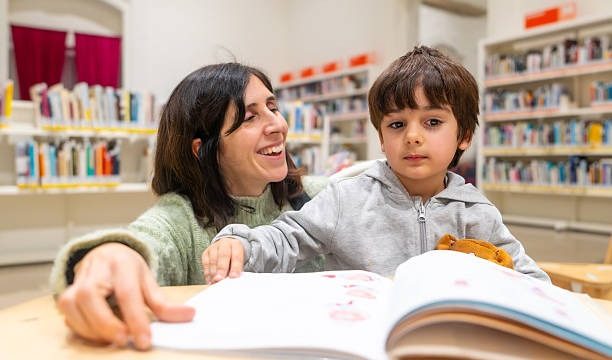
A gentle exploration of cultural stories can begin at home. Parents and caregivers can introduce children to folktales from their own heritage, fostering pride and a sense of identity. Imagine gathering around a cozy fire or snuggling on the couch, sharing tales that have shaped your family’s history. This intimate setting not only strengthens familial bonds but also lays the groundwork for curiosity about the wider world.
As children listen to stories from their own culture, they can begin to appreciate the nuances that make their heritage unique. For example, the lessons embedded in a Native American folktale may emphasize respect for nature, while a Japanese story might illustrate the importance of humility. Each tale serves as a window into the values that shape a community’s worldview, encouraging children to reflect on their own beliefs and practices.
Venturing beyond our own stories can be equally enriching. Seeking out folktales from diverse cultures broadens our perspectives and deepens our understanding of the human experience. Libraries, bookstores, and online resources abound with collections of folktales from around the globe. By reading these stories aloud, we can spark discussions about the differences and similarities in our cultures. What values do we share? How do our stories reflect our experiences?
A small shift toward balance occurs when we actively engage with these narratives. Instead of merely consuming stories, we can encourage dialogue and reflection. After sharing a folktale, ask questions that inspire critical thinking. How did the characters navigate their challenges? What lessons can we take away from their journeys? These conversations not only enhance comprehension but also cultivate a sense of community among listeners, whether they’re family members or friends.
For educators, folktales can be a dynamic addition to the classroom. Incorporating cultural stories into lesson plans not only enriches the curriculum but also promotes inclusivity. When students hear tales from their classmates’ cultures, it fosters respect and appreciation for diversity. This approach can create a safe space for students to share their own stories, allowing them to see themselves reflected in the learning environment.
Moreover, folktales often touch on themes of morality, ethics, and human relationships. These universal lessons can serve as a foundation for discussions about social issues and cultural differences. By relating folktales to contemporary challenges, educators can help students draw connections between the past and present, cultivating critical thinking and empathy.
Incorporating folktales into community events can also be a delightful way to promote cultural awareness. Storytelling festivals, cultural fairs, or even cozy neighborhood gatherings can provide a platform for sharing and celebrating diverse narratives. These events create opportunities for people to come together, share their stories, and learn from one another in a relaxed, inviting atmosphere.
As we immerse ourselves in folktales, we also learn to appreciate the artistry of storytelling. Each culture has its unique style, whether it’s the rhythmic repetition found in African tales or the intricate imagery in Asian fables. By recognizing and valuing these differences, we nurture a deeper respect for the creativity that defines human expression.
In our increasingly interconnected world, understanding and appreciating cultural narratives is essential. Folktales not only serve as entertaining stories but also as vital conduits for cultural exchange. They remind us that while our backgrounds may differ, the emotions we experience—love, loss, joy, and struggle—are universal.
As we embark on this journey of exploration through folktales, we open ourselves to the richness of human experience. We learn that stories have the power to transcend borders and connect hearts. By sharing and celebrating these narratives, we can foster a sense of belonging that embraces diversity while nurturing our shared humanity.
Ultimately, using folktales to teach cultural awareness is an invitation to engage with the world around us. It’s a gentle reminder that every story holds a lesson, and each culture has a voice that deserves to be heard. As we weave these tales into our lives, we not only enrich our understanding of others but also deepen our connection to ourselves and our own stories. In this beautiful exchange of narratives, we can find common ground and build a more harmonious world.