Cardiovascular exercise is an important part of a balanced fitness routine, supporting heart health, endurance, and overall energy.
While many people assume that effective cardio requires expensive gym equipment or machines, it is entirely possible to get a great workout using just your body and a bit of space.
Understanding how to perform cardio without equipment makes it accessible, flexible, and sustainable for anyone, regardless of location or experience level.
The first step to effective cardio without equipment is recognizing the variety of movements available. Bodyweight exercises such as jumping jacks, high knees, butt kicks, mountain climbers, and burpees are excellent options that elevate the heart rate and challenge multiple muscle groups. Even simple movements like brisk walking, jogging in place, or stepping up and down stairs can provide cardiovascular benefits while requiring no specialized tools.
Consistency is key when doing cardio without equipment. Short, regular sessions can be as effective as longer workouts when performed consistently. For beginners, starting with ten to twenty minutes per session is a realistic goal. Over time, duration and intensity can gradually increase as fitness levels improve. The important aspect is maintaining a routine, which allows the heart, lungs, and muscles to adapt and strengthen progressively.
Interval training is a particularly effective method for equipment-free cardio. Alternating periods of higher-intensity activity with short rest intervals can increase calorie burn and improve cardiovascular fitness in a shorter amount of time. For example, performing thirty seconds of high knees followed by thirty seconds of marching in place, repeated for several rounds, challenges the cardiovascular system while remaining adaptable to individual fitness levels.
Using space creatively can also enhance cardio workouts. Activities like running stairs, jumping onto a step, or moving in patterns around a room or outdoor area can provide variety and challenge coordination. Exercising in a park, backyard, or open area offers fresh air and additional mental benefits, making the workout more enjoyable while supporting heart health.
Cardio without equipment can be designed to suit different fitness levels. Beginners can start with low-impact movements, such as walking, marching in place, or gentle step-ups, which reduce stress on joints while still elevating heart rate. Intermediate and advanced exercisers can incorporate higher-intensity moves like squat jumps, burpees, or plyometric exercises to increase intensity and calorie burn. The adaptability of equipment-free cardio allows anyone to adjust workouts to their capabilities and gradually progress over time.
Incorporating variety helps maintain motivation and prevent boredom. Mixing different movements, alternating intensity levels, and exploring new patterns keeps workouts interesting. For example, combining jumping jacks, mountain climbers, and side-to-side hops in a single session provides a full-body challenge while keeping the routine fresh. Variety not only supports consistency but also engages different muscles, improving overall functional fitness.
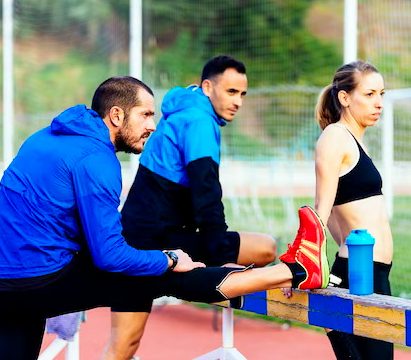
Warm-up and cool-down routines are essential, even for equipment-free cardio. Preparing the body with gentle movements like shoulder rolls, leg swings, or slow marching in place helps reduce the risk of injury and increases performance. Cooling down afterward with stretches targeting the legs, hips, and arms promotes flexibility and aids recovery, allowing for regular, sustainable workouts.
Tracking progress can enhance the effectiveness of cardio without equipment. Noting duration, intensity, or the number of repetitions for each movement provides a sense of accomplishment and motivation. Tracking also allows for gradual increases in difficulty, helping the body continue to adapt and improve cardiovascular endurance over time.
Another benefit of equipment-free cardio is its accessibility and convenience. Workouts can be performed at home, outdoors, or while traveling, eliminating barriers such as gym memberships or equipment costs. This flexibility makes it easier to maintain consistency, which is the most important factor in long-term cardiovascular health.
Combining cardio with other bodyweight exercises can add additional benefits. For instance, incorporating strength-focused moves such as push-ups, lunges, or planks into a cardio circuit improves muscular endurance while keeping the heart rate elevated. This approach enhances overall fitness, promotes functional strength, and makes workouts more dynamic and engaging.
Hydration and listening to your body are also crucial components of effective cardio. Drinking water before, during, and after workouts supports performance and recovery. Paying attention to fatigue, breathing, and any discomfort ensures that sessions remain safe and enjoyable, allowing you to exercise consistently without setbacks.
Finally, adopting a positive mindset helps make cardio without equipment more effective and sustainable. Viewing workouts as an opportunity to energize, improve health, and enjoy movement creates motivation and reduces feelings of obligation or pressure. Celebrating progress, no matter how small, reinforces the habit and encourages long-term commitment.
In conclusion, effective cardio without equipment is not only possible but highly versatile, accessible, and adaptable for all fitness levels. By utilizing bodyweight exercises, incorporating intervals, varying movements, warming up and cooling down, tracking progress, and listening to your body, you can build cardiovascular fitness without relying on machines or weights. This approach promotes consistency, enjoyment, and overall health, making it easier to maintain a heart-healthy lifestyle anywhere, anytime. With creativity, patience, and commitment, equipment-free cardio can become an enjoyable and rewarding part of your daily routine.