Strength and stability are two essential components of overall fitness, supporting mobility, balance, and daily function.
Building both does not require expensive equipment or a gym membership.
With thoughtful planning and creative exercises, it is possible to improve strength and stability at home, outdoors, or in any convenient space. Incorporating these practices into a routine can enhance posture, prevent injuries, and make everyday activities easier, all while boosting confidence and energy.
The foundation of strength and stability training is understanding the body’s core. The core includes muscles in the abdomen, lower back, and pelvis, which provide a central support system for all movements. Strong core muscles enhance balance, improve posture, and reduce the risk of falls or strain. Simple exercises like planks, bridges, and bird-dogs target these areas effectively. Focusing on controlled movements and proper form is essential to maximize benefits and prevent injury. Regularly engaging the core not only strengthens the midsection but also improves overall body coordination.
Bodyweight exercises are a versatile starting point for building strength. Movements such as squats, lunges, push-ups, and tricep dips can be performed with minimal space and no special equipment. Squats and lunges strengthen the lower body, improving stability and mobility for activities such as climbing stairs or carrying groceries. Push-ups and dips enhance upper body strength, supporting daily tasks that involve lifting or pushing. Bodyweight exercises allow for progression by increasing repetitions, slowing down the movement, or adding variations that challenge balance and coordination.
Incorporating balance-focused exercises into routines enhances stability. Standing on one leg, performing heel-to-toe walks, or practicing single-leg deadlifts helps train the body to maintain control and coordination. Using tools like a balance pad, stability ball, or even a folded towel can increase the challenge. Balance exercises engage smaller stabilizing muscles that often go unused in conventional workouts. Regular practice improves proprioception, which is the body’s awareness of its position in space, making everyday movements smoother and safer.
Strength training with resistance is another effective approach. Free weights, resistance bands, or household items such as water bottles or backpacks can be used to increase muscle engagement. Exercises like bicep curls, shoulder presses, or weighted squats build functional strength that translates to real-life tasks. Resistance training encourages muscle growth, improves bone density, and supports joint stability. Gradually increasing the weight or resistance ensures continuous improvement without overloading the body.
Functional exercises are particularly useful for developing both strength and stability. These exercises mimic movements used in daily life, such as lifting, bending, or twisting. For example, step-ups onto a sturdy surface strengthen the legs while improving balance, and carrying a weighted object while walking engages multiple muscle groups simultaneously. Functional training enhances the body’s ability to perform everyday activities safely and efficiently. By combining strength and stability in practical ways, individuals experience benefits that go beyond traditional fitness metrics.
Incorporating dynamic movements can add variety and challenge to a routine. Exercises such as lunges with a twist, squat to calf raise, or side leg lifts involve multiple planes of motion, enhancing both strength and coordination. Dynamic exercises improve agility, reaction time, and overall body awareness. They also keep workouts engaging by introducing movement patterns that differ from static exercises, which helps maintain motivation and prevents plateauing.
Core stability can be further enhanced through Pilates or yoga-inspired movements. Pilates exercises like the hundred, roll-ups, and leg circles target deep core muscles, promoting both strength and controlled movement. Yoga poses such as warrior III, chair pose, or tree pose challenge balance while strengthening the lower body and core. These practices emphasize precision, breath control, and mindfulness, encouraging a strong yet stable foundation for other physical activities.
In addition to structured exercises, incorporating strength and stability into everyday activities can be highly effective. Simple adjustments, like standing on one leg while brushing teeth, performing calf raises while waiting for food to cook, or using stairs instead of the elevator, engage muscles and challenge balance subtly throughout the day. These small, frequent moments of activity complement formal training and reinforce functional strength and stability.
For those seeking more advanced options, tools such as kettlebells, medicine balls, or stability trainers offer ways to increase intensity. Kettlebell swings, medicine ball rotations, and exercises on balance boards require coordination, timing, and core engagement. These tools create an added challenge that tests both strength and stability simultaneously. Advanced movements should be approached gradually to maintain safety and proper form, ensuring that the risk of injury is minimized while benefits are maximized.
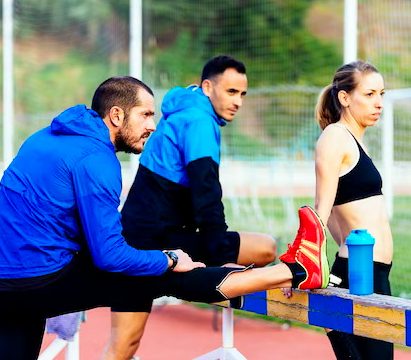
Flexibility and mobility work also support strength and stability training. Stretching muscles before and after workouts improves range of motion, reduces tension, and prevents injury. Mobility exercises like hip openers, shoulder rotations, and ankle circles prepare joints for movement and enhance overall stability. Incorporating these practices into a routine ensures that muscles and joints remain functional and resilient, making strength and balance exercises more effective.
Consistency and progression are essential for achieving results. Strength and stability improve over time through regular practice, gradual increases in difficulty, and attentive focus on form. Tracking progress, whether through repetitions, duration, or complexity of movements, helps maintain motivation and allows for thoughtful adjustments. Even small, incremental improvements in strength and stability translate to greater confidence and ease in daily life.
Social engagement can enhance the experience of training as well. Partner exercises, group classes, or virtual workouts create accountability, motivation, and enjoyment. Working alongside others encourages proper technique, offers opportunities to learn new exercises, and makes routines more engaging. Social support can make strength and stability training feel less like a task and more like a shared experience that contributes to overall wellness.
Rest and recovery are important aspects of any training program. Muscles require time to repair and adapt after challenging exercises, and recovery ensures that stability and strength continue to improve. Incorporating rest days, gentle stretching, or light activities like walking supports the body in maintaining balance and resilience. Understanding the balance between effort and recovery promotes sustainable progress and reduces the likelihood of fatigue or injury.
In conclusion, strength and stability training is essential for maintaining mobility, confidence, and overall fitness. Exercises that target the core, incorporate bodyweight movements, utilize resistance, and challenge balance create a comprehensive approach to functional fitness. Dynamic and functional exercises, Pilates and yoga-inspired routines, and everyday movement all contribute to stronger, more stable bodies. Consistency, progression, and attention to form enhance results, while social engagement and enjoyable practices make training sustainable and rewarding. By integrating strength and stability exercises into daily life, individuals can improve posture, prevent injuries, enhance performance in daily activities, and cultivate a sense of vitality that extends far beyond formal workouts.