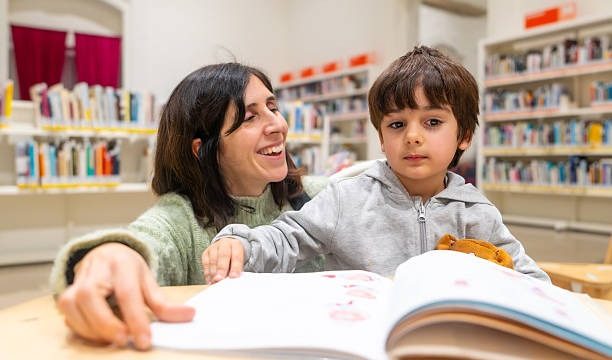
Storytelling to Make Lessons More Fun
In a world where the pace of life seems to quicken with each passing day, the art of storytelling offers a delightful pause, a moment to savor the richness of imagination.
Whether we realize it or not, stories have a remarkable ability to connect us to ideas, concepts, and even subjects we might otherwise find dull or challenging.
This is particularly true in educational settings, where storytelling can transform lessons into engaging experiences that stick with students long after the bell rings.
Imagine a classroom where history comes alive through the tales of ancient civilizations told not just as facts but as vivid narratives filled with characters, conflicts, and resolutions. Picture a science lesson unfolding like a mystery novel, where students become detectives unraveling the secrets of the universe. By weaving storytelling into lessons, educators can create an environment where learning feels less like a chore and more like an adventure.
The beauty of storytelling lies in its universal appeal. Stories resonate with people of all ages and backgrounds, tapping into our shared human experience. They evoke emotions, spark curiosity, and foster empathy. In the realm of education, this means that lessons become more relatable and accessible. When students can connect emotionally with the material, they are more likely to engage deeply with it.
A small shift toward balance can make a significant difference. Instead of presenting information in a traditional lecture format, educators can introduce key concepts through narratives. For instance, a lesson on environmental science could incorporate the story of a young girl who discovers the impact of pollution in her community. As she embarks on a journey to clean up her neighborhood, students learn about ecosystems, conservation, and the importance of sustainability in a context that feels personal and relevant.
Furthermore, storytelling can encourage collaboration among students. Group projects can take on new life when students are invited to create their own narratives around a topic. Working together to craft a story fosters teamwork and communication skills while allowing students to explore their creativity. This collaborative approach not only enhances their understanding of the subject but also builds a sense of community within the classroom.
The role of the teacher shifts in this storytelling framework. Rather than being the sole source of knowledge, the teacher becomes a guide, facilitating discussions and encouraging students to share their interpretations. By inviting students to contribute their own stories or perspectives, teachers can create a richer, more diverse learning environment. This inclusivity not only benefits the students but also enriches the educational experience as a whole.
Storytelling also provides an opportunity for differentiation in the classroom. Every student has a unique way of processing information, and narratives can cater to various learning styles. Visual learners may thrive on stories that include vivid imagery or illustrations, while auditory learners might find joy in oral storytelling. Kinesthetic learners can engage through role-playing or acting out scenarios, bringing the story to life in a way that resonates with their learning preferences.
Incorporating storytelling into lessons can also help students retain information more effectively. Research suggests that people are more likely to remember facts when they are embedded within a narrative. This is because stories create a framework for understanding, allowing students to connect new information with their existing knowledge. When students can relate to the material on a personal level, it becomes part of their own story, making it more memorable and meaningful.
As we consider the impact of storytelling on education, it’s important to recognize the role of technology in enhancing this experience. Digital storytelling tools allow students to create multimedia narratives, combining text, images, and sound to craft compelling stories. This integration of technology not only engages students but also prepares them for a world where digital communication is increasingly important.
Moreover, storytelling is not limited to the classroom. It can extend into everyday life, enriching family interactions and community connections. Parents can foster a love for learning by sharing stories at home, whether through books, personal anecdotes, or even everyday experiences. These moments of connection not only strengthen family bonds but also cultivate a culture of curiosity and exploration.
Encouraging storytelling in the classroom and beyond also nurtures critical thinking skills. As students analyze narratives, they learn to identify themes, motives, and perspectives. They become adept at asking questions and seeking deeper meanings, skills that are invaluable in today’s complex world. The ability to think critically about stories translates into a greater capacity for understanding diverse viewpoints and engaging in thoughtful discussions.
Ultimately, the integration of storytelling into lessons offers a pathway to a more holistic educational experience. It invites students to explore, question, and connect with the world around them. Rather than viewing education as a series of isolated subjects, storytelling allows learners to see the interconnections between disciplines, fostering a sense of wonder and curiosity that can last a lifetime.
In a society that often prioritizes efficiency and standardization, the gentle art of storytelling reminds us of the importance of human connection and creativity. By embracing storytelling in education, we can cultivate a love for learning that transcends the classroom, enriching lives and nurturing the next generation of thinkers, creators, and innovators.
As we continue to navigate the complexities of modern education, let us remember the power of stories. They are not just tools for teaching; they are bridges that connect us to one another and to the world we inhabit. By weaving narratives into lessons, we can create an enriching tapestry of learning that is vibrant, engaging, and, above all, fun.