Staying active does not require fancy gym memberships, expensive machines, or specialized equipment.
The body itself provides a natural way to build strength, improve endurance, and maintain overall health.
By using creativity and intention, it is entirely possible to create an effective fitness routine that fits into daily life without any equipment.
This approach not only saves time and money but also encourages consistency and adaptability, making physical activity more accessible for everyone.
One of the most effective ways to stay active without equipment is through bodyweight exercises. Movements such as squats, lunges, push-ups, planks, and bridges engage multiple muscle groups and can be modified to suit any fitness level. These exercises help build strength, improve balance, and enhance core stability. The versatility of bodyweight workouts allows for full-body routines or focused sessions that target specific areas, making them suitable for beginners and experienced exercisers alike.
Cardiovascular fitness can also be achieved without equipment. Activities like jogging in place, high knees, jumping jacks, mountain climbers, or stair climbing raise the heart rate, improve endurance, and increase metabolism. High-intensity interval training, which alternates bursts of intense activity with brief rest periods, is particularly effective for burning calories and improving cardiovascular health. Even short, focused sessions can yield meaningful benefits when performed consistently.
Walking is one of the simplest yet most effective forms of physical activity. A brisk walk around your neighborhood, local park, or even inside your home can improve cardiovascular health, strengthen muscles, and support mental well-being. Incorporating walking into daily routines, such as during breaks, errands, or phone calls, increases activity levels without requiring dedicated workout time. Over time, walking regularly builds stamina and provides a solid foundation for overall fitness.
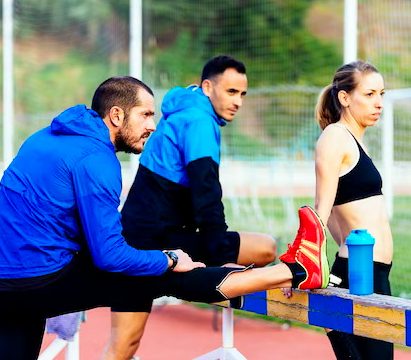
Flexibility and mobility exercises are essential components of an active lifestyle without equipment. Stretching routines, yoga, and Pilates improve flexibility, enhance posture, and reduce the risk of injury. These practices also support mental health by promoting relaxation and reducing stress. Simple stretches targeting major muscle groups, combined with mindful breathing, can be performed anytime, making them highly accessible and effective.
Functional movements can add creativity and practicality to a home fitness routine. Exercises that mimic everyday actions, such as squatting to pick up objects, stepping up on stairs, or lunging while reaching forward, improve strength, coordination, and balance. Functional exercises not only support fitness goals but also enhance the ability to perform daily tasks with greater ease and efficiency, promoting overall quality of life.
Incorporating short bouts of activity throughout the day is an excellent strategy for staying active without equipment. Movement breaks, even as brief as five to ten minutes, can improve circulation, increase energy, and reduce muscle stiffness. Simple actions like marching in place, performing a set of push-ups, or doing a quick yoga flow can break up sedentary periods and contribute meaningfully to overall fitness. These mini-sessions are easy to integrate into busy schedules and reinforce consistency.
Using household spaces creatively can enhance workouts. Open areas, staircases, or even walls can be used for exercise routines. Wall sits, step-ups on sturdy surfaces, or stretching against a wall provide varied challenges and prevent monotony. Rearranging furniture or creating a designated movement area adds motivation and makes it easier to engage in regular activity. The environment itself can become a tool for staying active.
Incorporating playful activities into your routine makes exercise more enjoyable. Dancing, following online fitness videos, hula hooping, or participating in active games with family or pets increases movement while making the experience fun. Playful activities reduce the feeling of effort or obligation and help establish a positive relationship with physical activity. Enjoyment encourages consistency, which is key to sustaining an active lifestyle.
Mind-body practices are also valuable for staying active without equipment. Yoga, tai chi, and Pilates combine movement with focus, flexibility, and balance training. These practices improve coordination, reduce stress, and promote overall wellness. Integrating mind-body exercises into a daily routine can complement more vigorous activity, providing both physical and mental benefits without requiring specialized tools.
Tracking progress enhances motivation and accountability. Keeping a simple journal of exercises, recording the number of repetitions, or noting improvements in endurance or flexibility allows you to observe growth over time. Tracking results reinforces commitment and provides insight into which exercises are most effective. Reflection on progress encourages continuous improvement and helps maintain enthusiasm for staying active.
Consistency is essential when engaging in physical activity without equipment. Small, regular efforts accumulate over time, creating meaningful changes in strength, endurance, and overall fitness. Establishing a routine, even with short daily sessions, builds habit strength and integrates movement seamlessly into your lifestyle. The key is to maintain regularity rather than intensity, particularly in the beginning.
Flexibility in your approach ensures long-term success. Life is unpredictable, and some days may not allow for structured workouts. Adapting exercises to available time, energy, and space ensures that activity continues despite changing circumstances. This mindset reduces stress, prevents discouragement, and reinforces the notion that staying active is about progress rather than perfection.
Hydration and proper nutrition enhance the effectiveness of an equipment-free fitness routine. Supporting your body with water and nutrient-rich foods fuels workouts, aids recovery, and improves energy levels. Combining physical activity with mindful eating and sufficient rest ensures that the body is prepared to perform and adapt to challenges safely and effectively.
Social support can also enhance motivation and engagement. Inviting family members or friends to join in workouts, following online group challenges, or sharing progress with others adds accountability and encouragement. Exercising together or in a supportive community makes activity more enjoyable and reinforces commitment. Social interaction enhances consistency while making fitness a shared, positive experience.
In conclusion, staying active without equipment is entirely achievable through creativity, consistency, and intentionality. Bodyweight exercises, cardiovascular routines, walking, flexibility training, functional movements, and playful activities provide a comprehensive foundation for health and fitness. Integrating short activity breaks, using household spaces creatively, practicing mind-body exercises, tracking progress, and maintaining consistency enhances effectiveness. By pairing physical activity with proper nutrition, hydration, flexibility, and social support, you can build a sustainable, enjoyable, and adaptable fitness routine at home. Staying active without equipment encourages long-term health, vitality, and overall well-being, proving that fitness can be accessible and effective for everyone, no matter the resources available.