Swimming in cooler water can be invigorating, refreshing, and even energizing, but it can also be intimidating for many people.
Sudden exposure to lower temperatures may cause a sharp intake of breath, tense muscles, or a sense of discomfort that makes it difficult to enjoy the swim.
Learning how to feel comfortable in cooler water is about more than physical preparation—it involves mindset, gradual adaptation, and mindful techniques that help the body and mind respond positively. With the right approach, cooler water can become a source of enjoyment, challenge, and even relaxation.
The first step to feeling comfortable in cooler water is understanding how the body reacts. Cold water triggers an initial shock response, which may include rapid breathing, muscle tightening, or a feeling of alertness. This response is natural and designed to protect the body, but it can be managed through preparation and gradual exposure. Being aware of these reactions helps swimmers approach the water with realistic expectations, reducing anxiety and allowing for a more controlled experience.
Gradual acclimation is key to building comfort. Instead of jumping straight into cold water, it is helpful to ease in slowly. Start by dipping your feet, then gradually immersing the legs and torso. Taking time to adjust to the temperature allows the body to respond without excessive shock. Even spending a few minutes moving slowly in the water before swimming at full intensity can make a significant difference. Gradual exposure trains the body to tolerate cooler temperatures over time, reducing discomfort and increasing confidence.
Breathing techniques play a major role in managing the cold. Deep, slow breaths help regulate the body’s response and maintain calmness. Focusing on steady inhalation and exhalation counters the instinct to gasp or hyperventilate. Controlled breathing not only supports comfort but also enhances swimming efficiency, as relaxed muscles respond better to movement. By combining physical adaptation with mindful breathing, swimmers can transform a potentially uncomfortable experience into a manageable and even enjoyable one.
Wearing appropriate gear can further enhance comfort in cooler water. Swim caps, wetsuits, and thermal swimwear provide insulation and help retain body heat. Even thin neoprene gloves or booties can make a noticeable difference, especially for longer swims. Choosing gear that fits well and is designed for the specific conditions allows swimmers to maintain mobility while staying warm. Proper equipment gives both physical and psychological reassurance, increasing confidence and reducing tension during the swim.
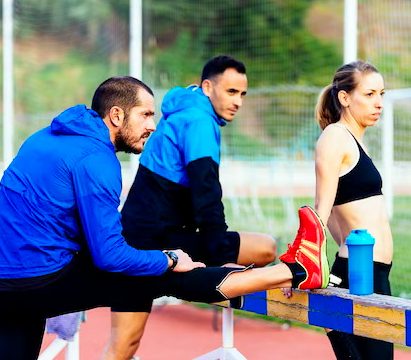
Warming up before entering cooler water is another effective strategy. Light exercises on land, such as arm circles, leg swings, or gentle stretching, increase blood flow and raise core body temperature. Engaging the muscles before immersion helps the body transition more smoothly and reduces the shock of colder temperatures. A proper warmup not only supports comfort but also enhances performance once the swim begins, as muscles are primed and ready for activity.
Maintaining movement while in the water is essential. Continuous swimming, kicking, and arm rotation generate heat and prevent the body from cooling too rapidly. Slow or stagnant movement can make muscles stiffen, increasing discomfort. Adjusting stroke intensity and incorporating alternating techniques, such as freestyle and backstroke, ensures that the body remains active and warm. By staying in motion, swimmers can enjoy longer periods in cooler water without feeling overwhelmed by the temperature.
Mental preparation also contributes significantly to comfort. Approaching cooler water with a positive mindset transforms the experience from intimidating to invigorating. Visualizing a calm, enjoyable swim, reminding yourself of past successes, and focusing on the benefits of cooler water—such as increased alertness, improved circulation, and refreshing energy—helps shift attention away from discomfort. Mental readiness reinforces physical adaptation, making each swim feel more manageable and rewarding.
Gradually increasing the duration of exposure strengthens tolerance. Start with short swims in cooler water, then progressively extend the time as comfort improves. Incremental increases prevent the body from becoming overwhelmed and allow muscles, joints, and the nervous system to adjust. Over time, what initially felt challenging becomes routine, and swimmers can enjoy longer sessions with reduced stress and greater ease.
Using relaxation techniques while swimming can enhance comfort further. Floating, slow gliding, or gentle kicking allows the body to regulate heat more efficiently and encourages a calm, mindful state. Paying attention to sensations in the water, coordinating breath with movement, and focusing on rhythm reduces tension and enhances enjoyment. Relaxation transforms the swim into a meditative experience, making cooler water feel refreshing rather than uncomfortable.
Hydration and nutrition support both physical and mental readiness. Cooler water can sometimes mask dehydration, as the body may not signal thirst as clearly as it does in warmer conditions. Drinking water before and after the swim maintains energy and helps regulate temperature. Light, easily digestible snacks provide fuel for longer sessions, supporting endurance and comfort. Adequate hydration and nutrition ensure that the body is prepared to respond efficiently to cooler conditions.
Swimming with a buddy or in groups adds safety and confidence. Knowing that someone is nearby in case of fatigue, cramps, or unexpected discomfort creates reassurance and allows swimmers to focus on enjoying the water. Social support also encourages consistency, as shared experiences reduce anxiety and make adaptation to cooler water more approachable. Swimming together fosters both motivation and a sense of community, enhancing the overall experience.
Post-swim care is important for comfort and recovery. Warming up with dry clothes, towels, or blankets, and taking time to stretch muscles, prevents prolonged shivering and stiffness. Hot beverages or a warm shower can help restore core temperature and relax muscles, making the transition from cooler water to daily activity more comfortable. Establishing a post-swim routine reinforces a sense of safety and ensures that the experience ends positively.
Adapting to environmental conditions is another aspect of comfort. Understanding factors such as water temperature, wind, sunlight, and duration of exposure allows swimmers to plan effectively. Selecting swimming times with milder conditions, choosing sheltered locations, and monitoring weather changes enhance the experience and reduce discomfort. Being aware of surroundings and adjusting activity accordingly strengthens confidence and control in cooler water.
Consistency and patience are crucial in building comfort over time. Regular practice in cooler water, combined with mindful techniques and gradual progression, improves tolerance, reduces anxiety, and strengthens both physical and mental adaptability. Each session builds on the previous one, creating a sense of achievement and reinforcing positive habits. Persistence allows swimmers to transform what was once challenging into an enjoyable, energizing part of their routine.
In conclusion, feeling comfortable in cooler water involves a combination of physical preparation, mental readiness, and mindful adaptation. Gradual acclimation, controlled breathing, appropriate gear, warmups, continuous movement, relaxation techniques, and proper post-swim care all contribute to a positive experience. Mental focus, visualization, incremental exposure, and social support reinforce confidence and ease, allowing swimmers to enjoy the unique benefits of cooler water.
By approaching cooler water with awareness, patience, and a structured routine, swimmers can experience invigorating, refreshing, and rewarding swims. Over time, adaptation builds confidence, reduces tension, and transforms cooler water from a challenge into an opportunity for enjoyment, relaxation, and growth. Each swim becomes an opportunity to connect with the water, strengthen the body, and embrace the refreshing energy that cooler conditions offer.