In our fast-paced world, the art of communication often takes a backseat.
Whether it’s a quick text message, a brief email, or a hurried conversation, the depth of our interactions can sometimes feel shallow.
However, nurturing our communication skills is essential for personal and professional growth.
One of the most delightful ways to enhance these skills is through the simple act of reading.
Reading is more than just a pastime; it is a window into diverse thoughts, cultures, and perspectives. Each page turned offers new vocabulary, fresh ideas, and varied sentence structures, all of which contribute to a richer communication experience. By immersing ourselves in stories and ideas crafted by others, we open ourselves up to a broader understanding of language and expression.
A journey through the pages
When we delve into a book, we embark on a journey that expands our horizons. Fiction invites us into the lives of characters, allowing us to experience their emotions and thoughts. This empathetic connection nurtures our ability to articulate feelings and understand others better. Non-fiction, on the other hand, can provide us with knowledge and insights that can enhance our conversations. From historical accounts to scientific discoveries, each piece of information enriches our vocabulary and sharpens our critical thinking skills.
As we read, we also encounter various writing styles, which can influence our own communication. The way an author constructs a sentence or develops a narrative can inspire us to experiment with our own voice. This exploration is not just about imitation; it’s about finding our unique expression. The nuances of language become more apparent, and we learn to appreciate the power of word choice, rhythm, and tone.
The gentle art of listening
Reading also cultivates our listening skills, a crucial aspect of effective communication. When we engage with a text, we practice active listening in a different form. We absorb information, reflect on it, and often respond internally. This process can help us become more attentive listeners in conversations. By understanding the importance of context and subtext in literature, we can better grasp the nuances in spoken dialogue.
Moreover, reading can teach us the value of patience in communication. Much like savoring a good book, effective conversations require time and attention. When we take the time to digest what we read, we learn to appreciate the pauses in dialogue, the moments of silence that allow for reflection. This understanding can translate into our interactions, encouraging us to give others the space to express themselves fully.
Finding balance through storytelling
Storytelling is a powerful tool that bridges gaps in understanding. When we read, we not only absorb stories but also learn how to tell our own. The art of narrative helps us to convey our thoughts and experiences in a way that resonates with others. This skill becomes particularly important in personal and professional settings, where sharing our stories can foster connection and empathy.
Engaging with narratives allows us to practice structuring our thoughts. We learn how to introduce a theme, develop it, and conclude with a meaningful insight. This structure is vital in effective communication, whether we’re writing an email, giving a presentation, or simply sharing a story with a friend. The more we read, the more adept we become at crafting our messages with clarity and intention.
Creating a reading routine
Incorporating reading into our daily lives doesn’t have to be a daunting task. It can be as simple as setting aside a few moments each day to immerse ourselves in a book. Whether it’s during a morning coffee or before bedtime, creating a routine can foster a deeper connection with the written word.
Consider exploring a variety of genres. Poetry can enhance our appreciation for language and rhythm, while biographies can inspire us with real-life stories of resilience and creativity. Each genre offers unique insights and opportunities to expand our communication skills.
Sharing the experience
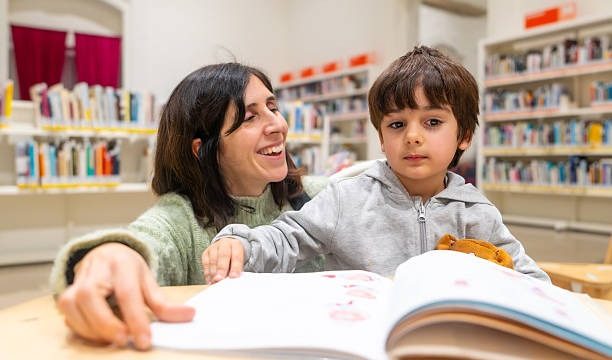
Reading can also be a communal activity. Book clubs, reading groups, or even casual discussions with friends about a book can enrich our understanding and appreciation of a text. Sharing perspectives and interpretations invites dialogue, allowing us to practice articulating our thoughts and responding to differing viewpoints. This exchange fosters a sense of community and belonging, reminding us that communication is not just an individual endeavor, but a shared experience.
As we engage with others in discussions about literature, we also learn to appreciate the value of differing opinions. This openness can enhance our ability to navigate conversations in all areas of life, from casual chats to more serious discussions.
Nurturing a lifelong habit
Ultimately, supporting communication skills through reading is about fostering a lifelong passion for learning and connection. The more we read, the more we grow—not only as communicators but as individuals. Each story we encounter, each piece of knowledge we gain, adds to our reservoir of experiences, enriching our ability to express ourselves and understand others.
In a world that often feels disconnected, reading offers a pathway to deeper connections. It reminds us of the beauty of language and the power of expression. So, as you turn the pages of your next book, remember that you are not just reading; you are also nurturing your ability to communicate, connect, and engage with the world around you. Let each story inspire you to share your own, fostering a rich tapestry of dialogue and understanding in your life.