Flexibility is often thought of as a physical trait—something that helps you bend, stretch, and move with ease.
While that’s certainly one aspect of flexibility, its benefits go far beyond just the ability to touch your toes or perform yoga poses.
Flexibility, in both body and mind, can strengthen you in many ways, allowing you to better cope with challenges, enhance your overall health, and live a more balanced and joyful life.
As we move through our daily routines, we often get caught up in rigid schedules, expectations, and patterns. Life, however, is not always predictable, and sometimes, it’s our ability to adapt that can make all the difference. Flexibility, therefore, isn’t just about physical mobility; it’s also about mental and emotional resilience. The more flexible you are, the stronger and more capable you become of handling life’s ups and downs.
Physical Flexibility: The Foundation of Strength
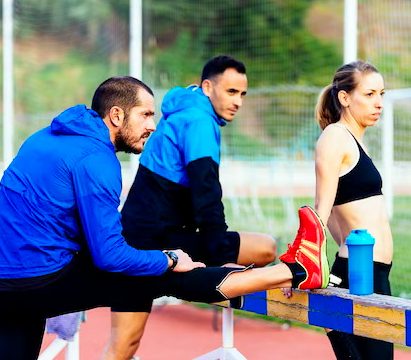
When we talk about flexibility in the body, we are referring to the ability of muscles and joints to move through their full range of motion. Regular stretching and movement help to maintain or improve flexibility, which is essential for overall body health. As muscles lengthen and joints become more mobile, your body is better able to handle physical stress, reduce the risk of injury, and improve performance in various activities.
One of the most important benefits of physical flexibility is that it helps maintain posture and alignment. Tight muscles, especially in areas like the hips, lower back, and shoulders, can lead to poor posture and imbalances in the body. This not only causes discomfort but can also affect your ability to move freely and efficiently. Stretching and regular movement can help lengthen those muscles, ease tension, and restore balance.
Another advantage of physical flexibility is its impact on joint health. When you stretch regularly, you improve circulation to the muscles and joints, which helps keep them lubricated and less prone to stiffness. This is particularly important as we age, as our bodies naturally lose some of their range of motion. Maintaining flexibility can help prevent joint pain and stiffness, making it easier to continue participating in physical activities, whether it’s walking, running, or playing sports.
Mental Flexibility: Strengthening Your Mind
While flexibility is commonly associated with the body, mental flexibility plays an equally important role in building strength. Mental flexibility refers to your ability to adapt to changing circumstances, think outside the box, and approach challenges with an open mind. People who are mentally flexible are better equipped to navigate life’s uncertainties and handle unexpected situations with calm and clarity.
Having mental flexibility allows you to be more open to new ideas, feedback, and experiences. It encourages growth, creativity, and problem-solving. When you’re rigid in your thinking, you’re more likely to feel frustrated, overwhelmed, or stuck when things don’t go as planned. On the other hand, someone with a flexible mindset is more likely to see challenges as opportunities for learning and improvement.
This mental resilience is key to building strength. Life is full of surprises, and being able to adjust your expectations, shift your perspective, and pivot when needed can make a huge difference in how you respond to challenges. Flexibility in your thinking allows you to stay calm under pressure, make decisions more effectively, and recover more quickly from setbacks.
Emotional Flexibility: Building Inner Strength
Flexibility is not just about how your body or mind reacts to external circumstances; it’s also about how you handle your emotions. Emotional flexibility is the ability to navigate your feelings and responses in a healthy, balanced way. It involves being able to acknowledge your emotions without being overwhelmed by them and adjusting your emotional responses based on the situation at hand.
When you are emotionally flexible, you can adapt to the ups and downs of life with greater ease. You don’t let frustration, anxiety, or stress dictate your actions. Instead, you respond to emotions in a way that is productive and aligned with your goals. This emotional resilience helps build strength over time, as you learn to maintain balance, even in difficult situations.
Emotional flexibility also supports your relationships. When you’re able to remain open and understanding in the face of conflict or stress, you’re better able to communicate effectively, resolve misunderstandings, and build stronger connections with others. It’s not about suppressing your emotions but rather learning how to navigate them in a way that promotes growth and harmony.
Flexibility and Personal Growth
Personal growth often requires flexibility, as it’s not always a straight path to where you want to be. Embracing new experiences, learning from mistakes, and adapting to changes are essential parts of personal development. Flexibility allows you to step out of your comfort zone, try new things, and explore unfamiliar territory.
Growth comes from your willingness to change, learn, and evolve. If you are too rigid in your approach to life, you may miss out on opportunities to grow and develop new skills. Being flexible means being open to new possibilities, even if they are outside your usual routines or expectations. It’s about trusting yourself to handle whatever comes your way and knowing that change is an opportunity for improvement.
A flexible mindset also helps you set more realistic and achievable goals. As you grow, your priorities and values may shift, and being able to adjust your goals accordingly is an important aspect of staying motivated and engaged. Instead of forcing yourself to stick to a rigid plan, flexibility allows you to embrace change and move toward your goals with confidence and clarity.
Flexibility in Daily Life
Incorporating flexibility into your daily life doesn’t have to be complicated. It’s about small shifts in perspective and actions that can make a big difference in how you feel and how you navigate the world around you.
Start by integrating physical stretches into your day. You don’t need to dedicate hours to flexibility exercises. Simple stretches, like reaching for the sky, doing a gentle twist, or stretching your legs while sitting, can all help keep your body limber and relaxed. Over time, you’ll notice an improvement in your range of motion and overall comfort.
Mentally, you can work on flexibility by practicing mindfulness, staying open to new ideas, and being willing to adjust your expectations. When faced with a challenge or unexpected change, take a step back and assess the situation. Flexibility in your thinking allows you to adapt, problem-solve, and make decisions that align with your values and goals.
Emotionally, allow yourself the space to process and adjust your feelings without judgment. This means acknowledging your emotions, understanding where they come from, and allowing yourself to experience them without letting them take control. Emotional flexibility empowers you to navigate life’s ups and downs with greater ease and composure.
Strength Through Flexibility
Ultimately, flexibility strengthens you by making you more adaptable, resilient, and open to growth. By improving physical, mental, and emotional flexibility, you build a foundation for a stronger, more balanced life. Flexibility allows you to navigate challenges with greater ease, recover more quickly from setbacks, and embrace change as an opportunity for improvement.
So, whether you’re stretching your body to relieve tension, shifting your mindset to solve a problem, or adjusting your emotions in a difficult situation, remember that flexibility is not just about bending and stretching—it’s about becoming stronger, more capable, and more in tune with your body and mind.