In a world increasingly driven by technology and structured learning, the need for creativity has never been more pronounced.
Creativity isn’t just the realm of artists or musicians; it’s a vital skill that nurtures problem-solving, critical thinking, and innovation in every field.
One of the most effective ways to cultivate this creativity is through interactive learning experiences.
These experiences invite individuals to engage with material in a way that feels organic and enjoyable, fostering a love for learning that can last a lifetime.
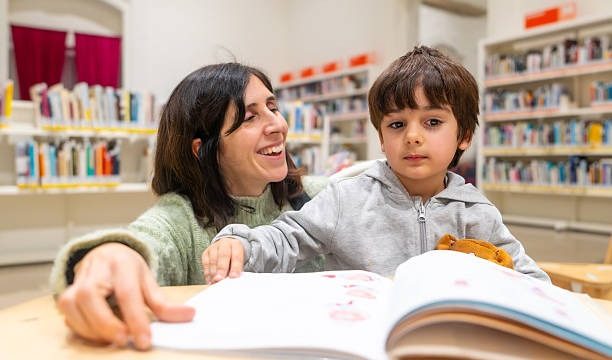
Interactive learning is all about participation and engagement. It transforms the traditional classroom dynamic into a vibrant space where ideas can be shared and explored. Imagine a setting where students are not merely passive recipients of information but active contributors to their learning journey. This shift can ignite a passion for creativity that extends beyond the classroom walls.
A gentle approach to learning can make all the difference. When we create environments that encourage curiosity, students are more likely to take risks and explore new ideas. This can be as simple as incorporating discussions, hands-on activities, or collaborative projects into the learning process. For instance, instead of just reading about a historical event, students might reenact it, allowing them to step into the shoes of those who lived it. This kind of immersive experience not only deepens understanding but also sparks a sense of wonder and creativity.
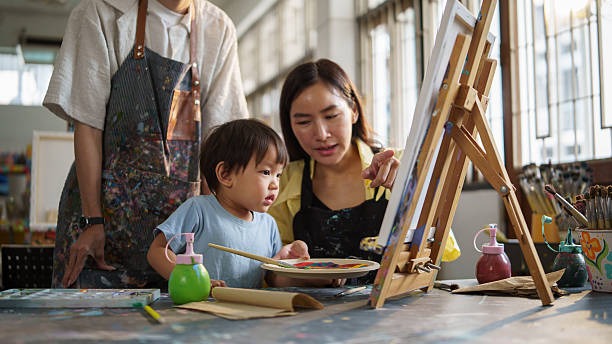
One of the beautiful aspects of interactive learning is its adaptability. It caters to different learning styles and preferences, ensuring that everyone has a chance to shine. Visual learners may thrive in settings that incorporate art and design, while auditory learners might benefit from discussions and storytelling. Kinesthetic learners, on the other hand, often excel when they can manipulate objects or engage in role-play. By recognizing and celebrating these differences, we can support the unique creative expressions of each individual.
Incorporating technology into interactive learning can also enhance creativity. Virtual reality, for example, offers students the chance to explore environments and scenarios that would otherwise be out of reach. They can visit ancient ruins, dive into the ocean, or even travel through space—all from the comfort of their classroom. These experiences can inspire awe and ignite imaginations, encouraging students to think creatively about the world around them.
Creating a safe space for exploration is essential in nurturing creativity. Students need to feel comfortable expressing their ideas without the fear of judgment or failure. Encouraging a culture of openness and support can foster this environment. Teachers and facilitators play a crucial role in this process, guiding students with gentle encouragement and constructive feedback. When individuals feel valued and understood, they are more likely to take creative risks and share their unique perspectives.
Collaboration is another cornerstone of interactive learning that supports creativity. Working together on projects or challenges can lead to the exchange of diverse ideas and viewpoints. This social aspect of learning not only builds teamwork skills but also enhances creative thinking. When students collaborate, they can bounce ideas off one another, leading to innovative solutions that they may not have discovered alone. This synergy can be incredibly powerful, transforming a simple task into a creative adventure.
The benefits of interactive learning extend beyond the confines of academic success. Engaging in creative experiences helps to build resilience and adaptability, skills that are invaluable in today’s ever-changing world. Students learn to navigate challenges, think critically, and approach problems with an open mind. These attributes are essential not just for personal growth but also for thriving in the modern workforce, where creativity and innovation are highly sought after.
As we consider the importance of supporting creativity through interactive learning, it’s essential to recognize the role of play. Play is a natural conduit for creativity, allowing individuals to explore, experiment, and express themselves freely. Integrating elements of play into learning experiences can lead to deeper engagement and understanding. Whether through games, role-playing, or creative arts, play can break down barriers and make learning feel less daunting.
At its core, supporting creativity through interactive learning is about fostering a mindset that values exploration and curiosity. It encourages individuals to ask questions, seek answers, and embrace the unknown. In a society that often prioritizes standardized testing and rigid structures, nurturing creativity may seem like a radical act. However, it is precisely this creativity that will drive innovation and progress in the future.
In conclusion, the relationship between creativity and interactive learning is profound and transformative. By creating environments that encourage participation, collaboration, and exploration, we can help individuals tap into their innate creative potential. As we move forward, let us embrace the idea that learning is not just about acquiring knowledge but also about fostering a rich, creative spirit that can illuminate our paths and inspire those around us. Supporting creativity through interactive learning experiences is not just an educational endeavor; it is a way of life that can enrich our communities and our world.