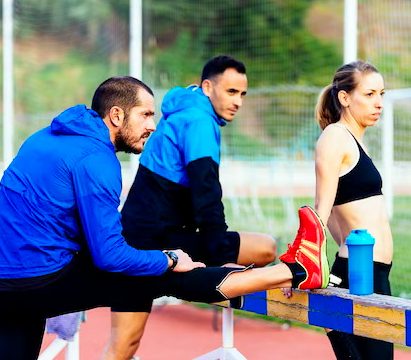
Flexibility is an essential aspect of physical health that not only enhances mobility but also supports overall well-being.
Whether you’re a seasoned athlete, someone who sits at a desk for long hours, or simply someone looking to improve daily comfort, building flexibility can make a significant difference in your life.
Stretching regularly, practicing mindful movement, and adopting a consistent routine are simple ways to work toward greater flexibility and enjoy its many benefits.
Improving flexibility doesn’t require hours of intense stretching or complex exercises. In fact, starting with simple, approachable techniques and gradually progressing over time can help you build flexibility in a safe and sustainable way. This article explores some of the most effective and accessible ways to improve your flexibility.
Start Slowly and Build Consistency
One of the most important factors in building flexibility is consistency. Stretching once in a while won’t have the same long-term benefits as committing to a regular routine. To see progress, it’s essential to incorporate flexibility exercises into your daily or weekly schedule.
That doesn’t mean you need to spend hours each day stretching—just a few minutes a day can make a big difference. Start by setting aside 10 to 15 minutes in your day to stretch. You can do this either in the morning to loosen up after sleep or in the evening to unwind after a busy day. The key is to make it a habit so that your body becomes accustomed to regular stretching and eventually gains more flexibility.
Starting slowly is just as important as consistency. It’s essential not to push your body too hard or too fast when working on flexibility. The goal is gradual improvement, not instant results. If you rush the process, you risk injury or strain. Begin with gentle stretches that target the areas of your body that are the tightest and work your way toward deeper stretches over time.
Focus on Major Muscle Groups
When you start stretching, it’s helpful to focus on the major muscle groups that tend to be the tightest and most in need of attention. These include the hamstrings, hip flexors, lower back, shoulders, and neck. Many people hold tension in these areas due to poor posture, lack of movement, or sitting for extended periods of time. Focusing on these areas will yield the most noticeable improvements in flexibility, and will also help reduce discomfort and prevent injury.
For example, a simple hamstring stretch can make a huge difference for those who spend a lot of time sitting. To perform this stretch, stand with your feet hip-width apart, then hinge forward at the hips and reach for your toes, keeping your knees slightly bent. Hold the stretch for 20 to 30 seconds, breathing deeply to help release the tension. This stretch targets the hamstrings and lower back, areas that often become stiff after long hours of sitting.
Another important stretch to incorporate is for the hip flexors. These muscles are prone to tightness due to sitting, and their flexibility is crucial for overall mobility. One simple stretch involves lunging forward with one leg and keeping the other knee on the ground. Lean into the stretch to feel a gentle pull along the front of your hip. Hold the position for 20-30 seconds, and switch sides.
Incorporating these basic stretches into your routine can quickly increase flexibility and make daily movement feel smoother and more comfortable.
Incorporate Dynamic Stretching
While static stretching—where you hold a stretch for an extended period of time—is great for flexibility, dynamic stretching is also important. Dynamic stretching involves controlled movements that take your muscles and joints through their full range of motion, which is especially helpful for increasing flexibility and preparing your body for activity.
Dynamic stretches are best done before exercise or physical activity, as they help warm up your muscles and increase blood flow. These stretches can be done in a gentle, controlled manner and gradually increase in intensity. Some simple examples include leg swings, arm circles, and torso twists. For leg swings, stand next to a wall or a sturdy object, and swing one leg forward and backward in a controlled motion. Repeat the movement on the other leg.
Dynamic stretching helps to activate the muscles, improving flexibility and reducing the likelihood of injury during physical activity. By incorporating both static and dynamic stretching into your routine, you’ll work towards a well-rounded approach to improving flexibility.
Breath Control and Mindfulness
Another simple yet powerful way to enhance flexibility is through breath control and mindfulness. Many people overlook the importance of breathing during stretching, but it plays a critical role in both the physical and mental benefits of flexibility training.
As you stretch, focus on taking deep, steady breaths. This not only helps you relax but also helps to increase the effectiveness of your stretches. Breathing deeply signals to your body that it is time to relax, making it easier to move deeper into the stretch. Slow, deliberate breathing also helps you stay mindful and aware of your body’s limits, preventing you from overstretching or pushing too hard.
Mindfulness is key in flexibility training. Pay attention to how your body feels during each stretch and tune in to any areas of tension or discomfort. Don’t try to force your body into a position it’s not ready for. Instead, gently ease into each stretch, allowing your muscles to gradually lengthen and release. Over time, this mindful approach will help you progress safely and effectively.
Yoga and Pilates for Flexibility
Incorporating yoga or Pilates into your routine can be an excellent way to improve flexibility while also enhancing strength and balance. Both practices emphasize mindful movement, deep breathing, and controlled stretching, making them ideal for building flexibility in a balanced and sustainable way.
Yoga, for example, offers a wide range of poses that target flexibility, from simple seated stretches to more advanced postures. Practices like “Downward Dog” and “Child’s Pose” are effective for opening up the hips, shoulders, and back. A regular yoga practice can also improve overall body awareness, helping you stretch more effectively and prevent injury.
Pilates, similarly, focuses on controlled movements that target flexibility, strength, and posture. The focus on core strength in Pilates can support better posture, which can, in turn, enhance flexibility. Simple Pilates exercises, like the “Saw” or “Spine Stretch,” are designed to improve flexibility in the spine, hamstrings, and hips.
Even if you’re new to these practices, you don’t need to dive into complicated routines right away. Begin with beginner-level classes or instructional videos and gradually increase the difficulty as you become more comfortable.
Patience and Progress
Flexibility is not something that develops overnight, and it’s important to approach the process with patience and realistic expectations. Remember that progress takes time, and everyone’s body is different. Some people may find it easier to gain flexibility in certain areas, while others may need to work harder. This is normal, and it’s important to honor your body’s individual needs.
Celebrate small victories along the way, whether that’s reaching further in a stretch, holding a position for longer, or simply feeling less tight throughout the day. Over time, your flexibility will improve, and you’ll notice how much more comfortable and fluid your movements become.
The key to building flexibility is consistency, mindfulness, and patience. By incorporating simple stretches into your daily routine, focusing on major muscle groups, incorporating dynamic movements, and practicing breath control, you can increase your flexibility and enjoy a greater sense of mobility and comfort in your daily life.
Flexibility isn’t just about being able to touch your toes—it’s about moving through life with greater ease, reduced tension, and improved posture. With regular practice, you’ll find that building flexibility can be an enjoyable and rewarding journey that supports both your physical and mental well-being.