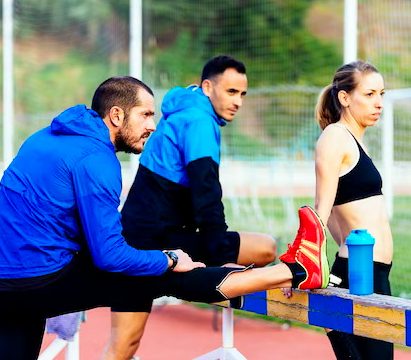
Flexibility and personal growth are closely connected, shaping how people adapt, learn, and evolve through different stages of life.
In a world that constantly changes, flexibility is no longer just a physical trait or a work-related skill.
It is a mindset that allows individuals to grow with experiences rather than feel limited by them.
When flexibility becomes part of daily thinking and behavior, personal growth feels more natural, steady, and meaningful.
At its core, flexibility is about openness. It is the willingness to consider new ideas, adjust expectations, and respond calmly when plans shift. Many people associate growth with strict discipline or rigid routines, but true development often happens when there is room to breathe and adapt. Life rarely follows a straight line, and flexibility helps people move forward even when the path curves unexpectedly. Instead of seeing change as a disruption, flexible individuals are more likely to see it as an opportunity to learn something new about themselves.
Personal growth often begins with self-awareness, and flexibility supports this process. When people are open to change, they become better at noticing their habits, thoughts, and emotional patterns. They can recognize when a certain approach is no longer working and feel comfortable exploring alternatives. This awareness creates space for healthier choices, whether in relationships, careers, or personal goals. Growth becomes less about forcing improvement and more about allowing gradual transformation.
Flexibility also plays an important role in handling challenges. Difficult situations can trigger stress, frustration, or self-doubt, especially when outcomes do not match expectations. A flexible mindset encourages problem-solving rather than resistance. Instead of asking why something went wrong, a flexible person is more likely to ask what can be learned from the experience. This shift in perspective reduces emotional strain and builds resilience over time. Each challenge becomes a lesson rather than a setback.
In personal relationships, flexibility supports understanding and connection. Every person brings different perspectives, communication styles, and emotional needs. Growth within relationships often requires adjusting how one listens, responds, or compromises. Being flexible does not mean abandoning personal values, but it does mean recognizing that growth often happens through mutual adjustment. When people are open to seeing situations from another point of view, relationships tend to become more supportive and balanced.
Flexibility is also closely tied to confidence. While it may seem that confident people always have clear plans, confidence often grows from knowing that one can adapt when things change. Trusting the ability to handle uncertainty builds inner strength. This kind of confidence is quiet and steady, grounded in experience rather than perfection. It allows individuals to try new paths without fear of failure because they know they can adjust along the way.
In the context of personal goals, flexibility encourages sustainable progress. Goals that are too rigid can become overwhelming, leading to burnout or discouragement. A flexible approach allows goals to evolve as circumstances change. For example, someone pursuing personal growth may start with a specific routine, then adjust it to better suit their energy levels or lifestyle. This adaptability keeps motivation alive and makes growth feel supportive rather than demanding.
Flexibility also supports lifelong learning. Personal growth does not have an endpoint, and flexible individuals remain curious regardless of age or experience. They are open to learning from books, conversations, mistakes, and successes alike. This openness keeps the mind active and engaged, fostering a sense of purpose and curiosity. Growth becomes an ongoing journey rather than a fixed destination.
Emotionally, flexibility helps people navigate their inner world with greater ease. Emotions are not static, and trying to control or suppress them often creates more tension. A flexible emotional approach involves acknowledging feelings without judgment and allowing them to pass naturally. This practice builds emotional intelligence and self-compassion, both of which are essential for personal growth. Over time, individuals become more comfortable with their emotions and better equipped to respond thoughtfully rather than react impulsively.
Flexibility also supports balance in daily life. Many people juggle multiple responsibilities, and personal growth can feel like another task added to an already full schedule. A flexible mindset allows growth to fit naturally into everyday moments. Small adjustments, such as changing routines, trying new habits, or reflecting briefly at the end of the day, can have a meaningful impact over time. Growth does not have to be dramatic to be effective.
In professional life, flexibility encourages skill development and adaptability. Work environments continue to evolve, and those who are open to learning new skills or adjusting their approach are more likely to thrive. Personal growth in this area often involves stepping outside comfort zones, accepting feedback, and being willing to try different methods. Flexibility turns these experiences into opportunities for advancement and self-improvement rather than sources of stress.
One of the most valuable aspects of flexibility is its role in maintaining motivation during uncertain times. When outcomes are unpredictable, rigid expectations can lead to disappointment. Flexibility allows individuals to focus on effort and learning rather than fixed results. This approach keeps motivation steady and encourages persistence, even when progress feels slow. Personal growth becomes a process of exploration rather than a race to achieve specific milestones.
Flexibility also strengthens self-trust. Each time a person adapts successfully to change, they reinforce the belief that they can handle future challenges. This trust builds a strong foundation for growth, encouraging individuals to take thoughtful risks and embrace new experiences. Over time, flexibility becomes a natural response rather than a conscious effort, making personal growth feel more integrated into everyday life.
Ultimately, flexibility and personal growth support each other in a continuous cycle. Flexibility creates the conditions for growth, while growth reinforces the ability to adapt. Together, they encourage a life that feels balanced, resilient, and meaningful. By staying open to change and gentle with oneself, personal growth becomes less about striving and more about evolving. This approach fosters a sense of stability that comes not from rigid control, but from the confidence to adapt, learn, and move forward with ease.