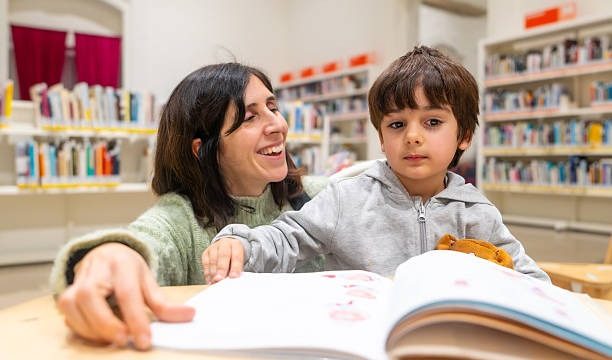
The journey of early literacy begins at home, where parents play an essential role in nurturing a child’s love for reading and writing.
This foundation not only shapes their academic future but also enriches their overall development.
As parents, you might wonder how to create an environment that fosters literacy in a way that feels natural and enjoyable.
Creating a cozy reading nook is a lovely first step. This space can be as simple as a corner of the living room or a cozy spot in the child’s bedroom, filled with soft pillows and a few well-chosen books. Surrounding children with a variety of reading materials, from picture books to simple stories, invites them to explore at their own pace. This environment encourages curiosity and makes reading feel like a delightful adventure rather than a chore.
Another important aspect of early literacy is the power of storytelling. Sharing stories, whether from a book or from your own imagination, ignites a child’s imagination and helps them understand language in a unique way. When parents tell stories, they weave in emotions, characters, and narratives that children can connect with. This not only helps develop their vocabulary but also fosters critical thinking skills as they begin to understand plot and context.
Reading aloud is a cherished activity that can create lasting memories. The rhythm of your voice, the warmth of your presence, and the shared experience of turning pages together can turn a simple story into a cherished ritual. As you read, don’t hesitate to ask questions about the story, encouraging your child to think and respond. This dialogue enriches their comprehension and makes the experience interactive and engaging.
The role of parents extends beyond just reading. Engaging in conversations with your child throughout the day can enhance their language skills significantly. Simple chats about daily activities, questions about their feelings, or discussions about their favorite toys can help them learn new words and phrases. These interactions build a foundation for effective communication and foster a sense of security, allowing them to express themselves freely.
A small shift toward balance can also be beneficial. While it’s essential to encourage literacy, finding the right balance between structured activities and free play is key. Children learn through play, and incorporating literacy into their playtime can be both fun and educational. Whether it’s creating a storybook together, playing word games, or acting out their favorite tales, these activities can solidify their understanding of language in a relaxed setting.
Incorporating technology into literacy can also be a modern approach to engage young minds. Educational apps and e-books can complement traditional reading, providing interactive elements that capture children’s attention. However, it’s important to approach screen time mindfully, ensuring that it enhances rather than replaces the tactile experience of holding a book or engaging in face-to-face conversations.
As children grow, introducing them to a variety of genres can broaden their horizons. Poetry, non-fiction, and even comic books can stimulate different areas of their brains and pique their interests in unique ways. Encouraging them to explore diverse subjects can ignite passions that may shape their future interests.
Modeling a love for reading is perhaps one of the most impactful actions parents can take. When children see their parents immersed in books, they are more likely to develop a similar affinity. Sharing your own reading experiences with them can make the activity feel more relatable. Discussing your favorite stories or authors can inspire them to explore new titles and genres, fostering a lifelong love for literature.
It’s also essential to celebrate progress, no matter how small. Acknowledging their efforts, whether they read a sentence independently or complete a book, can boost their confidence and encourage them to continue exploring the world of words. Celebrations can be as simple as a high five, a sticker chart, or a special outing to the library together.
As children begin to develop their own reading habits, it’s valuable to encourage them to choose their own books. This autonomy allows them to take ownership of their literacy journey and fosters a sense of excitement. Visiting libraries or bookstores together can be a delightful outing, allowing them to explore and discover titles that resonate with their interests.
Creating a supportive community also plays a vital role in early literacy success. Engaging with other parents, joining reading groups, or participating in story hours can provide additional encouragement and resources. Sharing ideas and experiences can help you discover new ways to inspire your child and reinforce the importance of literacy in their lives.
As children venture into school, the role of parents remains crucial. Staying involved with their education, maintaining open lines of communication with teachers, and supporting homework can reinforce the skills they are learning. This partnership between home and school can create a seamless transition into more structured literacy learning, ensuring that they continue to thrive.
The journey of nurturing early literacy is as unique as each child. It is a blend of love, patience, and dedication that can make a significant difference in their lives. By creating an inviting environment, engaging in meaningful conversations, and modeling a love for reading, parents can lay a vibrant foundation for literacy success.
Ultimately, fostering early literacy is about instilling a love for learning that lasts a lifetime. As you navigate this beautiful journey with your child, remember that every book read, every story told, and every conversation shared contributes to a richer, more fulfilling life. Embrace this time together, knowing that you are not just teaching them to read and write; you are opening doors to new worlds and possibilities.