High-Intensity Interval Training, or HIIT, is often thought of as a demanding form of exercise focused on endurance and intensity.
While HIIT can certainly challenge the body, it can also be designed to promote positivity and mental well-being alongside physical fitness.
By approaching HIIT with intention, mindfulness, and a supportive structure, participants can experience not only the benefits of increased cardiovascular health and strength but also a boost in mood, confidence, and overall outlook.
A positive HIIT session begins with the mindset brought into the workout. Viewing each interval as an opportunity to grow rather than a test of endurance sets a foundation for enjoyment. Focusing on effort instead of perfection encourages self-compassion and reduces the pressure that often accompanies high-intensity exercise. Participants are able to celebrate small achievements, whether completing a set of intervals, maintaining proper form, or simply showing up consistently. Recognizing these victories fosters a sense of accomplishment and reinforces the association between exercise and positivity.
Mindfulness within HIIT sessions further supports a positive experience. Paying attention to breathing, posture, and alignment allows participants to move efficiently and safely while remaining present in the moment. This mindful focus shifts attention away from distractions or negative self-talk, emphasizing connection with the body and awareness of effort. Engaging fully in each movement cultivates mental clarity and encourages a calm, centered mindset. Over time, the habit of practicing mindfulness during HIIT can extend beyond workouts, supporting emotional balance and stress management in daily life.
HIIT is highly adaptable, which makes it easier to maintain a positive attitude throughout a session. Beginners can start with lower-impact exercises, shorter high-intensity intervals, and longer recovery periods. Simple movements such as brisk walking, light cycling, or low-impact bodyweight exercises allow participants to experience success without discomfort or discouragement. Intermediate participants can gradually increase intensity, shorten rest periods, or incorporate more dynamic movements. Advanced participants may explore sprint intervals, plyometrics, or circuit-style routines. This flexibility ensures that the session remains challenging but achievable, maintaining motivation and reinforcing a sense of competence.
Incorporating variety is a powerful way to promote positivity during HIIT. Alternating exercises, changing interval durations, and integrating both cardio and strength movements keep sessions interesting and engaging. Exploring new routines or movement patterns encourages curiosity and enjoyment while challenging different muscle groups. Variety reduces the monotony that can sometimes accompany high-intensity exercise and supports long-term adherence, making the experience both mentally and physically rewarding.
Breath awareness plays a central role in HIIT sessions designed for positivity. Coordinating deep, controlled breaths with movement helps regulate heart rate, supports endurance, and promotes relaxation. Conscious breathing can reduce feelings of tension or overwhelm during high-intensity intervals, creating a smoother, more enjoyable experience. Focusing on breath also enhances the mind-body connection, reinforcing a sense of control and calm that contributes to a positive mental state.
Recovery is an essential element of a positive HIIT experience. Incorporating rest periods between intervals, stretching post-session, and hydrating adequately allows the body to repair and adapt while minimizing discomfort. Recovery ensures that participants feel energized rather than depleted, promoting a sense of well-being and satisfaction with the workout. Approaching recovery as part of the session rather than an afterthought reinforces balance and encourages a sustainable, positive approach to fitness.
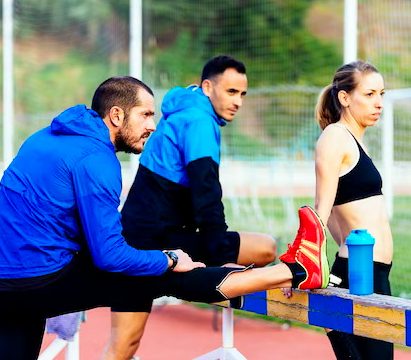
Social engagement can further amplify positivity during HIIT sessions. Exercising with friends, family, or small groups provides encouragement, accountability, and shared enjoyment. Group sessions or partner intervals create opportunities for connection and support, making challenging exercises feel more approachable. Positive interactions during workouts enhance mood, reinforce motivation, and foster a sense of community, all of which contribute to a positive mindset around exercise.
Tracking progress can reinforce positivity in HIIT training. Recording completed intervals, noting improvements in endurance or recovery, and observing consistency over time provides tangible evidence of achievement. Seeing growth, even in small increments, boosts confidence and reinforces the idea that effort leads to meaningful results. Progress tracking shifts the focus from perceived difficulty to actual accomplishment, promoting satisfaction and reinforcing a positive attitude toward exercise.
Short, consistent sessions are particularly effective in maintaining positivity. Even ten to twenty minutes of well-structured HIIT provides benefits and ensures participants experience success regularly. Short sessions reduce the likelihood of fatigue or discouragement while promoting regular engagement. When workouts are manageable, participants are more likely to approach them with enthusiasm and a positive outlook, making exercise feel rewarding rather than stressful.
Low-impact HIIT options are especially supportive of positive experiences. Swimming, cycling, elliptical training, or modified bodyweight exercises allow participants to enjoy the benefits of interval training without undue stress on joints or muscles. Low-impact variations make the practice accessible, prevent discomfort, and build confidence. Feeling capable and safe during exercise nurtures a positive association with movement, which encourages continued participation and long-term wellness.
Finally, incorporating encouragement and self-compassion enhances the positive benefits of HIIT. Reminding oneself that progress is personal and acknowledging effort rather than perfection fosters a supportive relationship with exercise. Celebrating consistency, appreciating improvements, and focusing on enjoyment rather than comparison reinforces motivation and happiness. When participants approach HIIT with positivity and self-kindness, the practice becomes more sustainable and rewarding, creating lasting benefits for both physical fitness and mental well-being.
In conclusion, HIIT can be more than just a demanding workout; it can be a practice designed to promote positivity and holistic wellness. Mindset, mindfulness, breath awareness, variety, social engagement, and recovery all contribute to a positive experience. The adaptability of HIIT ensures that it can be tailored to individual fitness levels, making it approachable and enjoyable. Short, consistent sessions, low-impact alternatives, and progress tracking support motivation and a sense of accomplishment. By integrating encouragement and self-compassion into each session, participants can experience the combined benefits of physical improvement and mental uplift. When approached thoughtfully, HIIT fosters a sense of empowerment, joy, and positivity that extends far beyond the workout itself, contributing to a healthier, more balanced lifestyle.