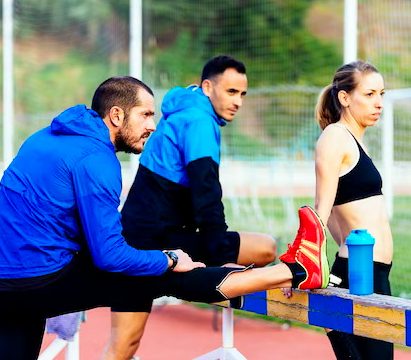
A strong core is the foundation of overall fitness and daily movement.
It supports good posture, improves balance, enhances stability, and reduces the risk of injury.
Core strength is not only about achieving a toned appearance but also about functional fitness that makes everyday tasks easier and more comfortable. Fortunately, strengthening the core does not require complicated equipment or intense workouts. With consistent practice and mindful execution, simple moves can gradually build a resilient and supportive midsection.
Understanding the muscles that make up the core is important before beginning any exercise routine. The core includes not only the abdominal muscles but also the obliques, lower back, hips, and glutes. Together, these muscles stabilize the spine, support movement, and transfer force efficiently between the upper and lower body. Strengthening the core as a whole, rather than focusing solely on the abs, leads to better overall performance and reduces the likelihood of imbalance or strain.
One of the most effective and accessible moves for core strength is the plank. This exercise engages multiple muscles simultaneously, including the abdominals, lower back, shoulders, and glutes. To perform a basic plank, start in a push-up position with elbows directly under the shoulders and the body in a straight line from head to heels. Engage the abdominal muscles, avoid letting the hips sag, and hold the position for as long as comfortable. Over time, the duration can be increased gradually, allowing steady improvement in core endurance and stability.
Side planks are another valuable move that specifically targets the obliques, which run along the sides of the abdomen. Begin by lying on one side with legs stacked and elbow positioned under the shoulder. Lift the hips off the ground, creating a straight line from head to feet, and hold the position while engaging the obliques. Side planks help improve lateral stability, which is crucial for twisting, bending, and balancing movements in daily life. Incorporating both front and side planks ensures comprehensive core development.
Bridge exercises strengthen the glutes, lower back, and core simultaneously. To perform a bridge, lie on your back with knees bent and feet flat on the floor, hip-width apart. Press through the heels to lift the hips toward the ceiling, squeezing the glutes at the top, then lower slowly. This movement strengthens the posterior chain while engaging the core for stability. Bridges also enhance pelvic alignment and improve overall posture, which contributes to both core strength and daily comfort.
Bird-dog exercises provide a combination of balance, coordination, and core engagement. Begin on all fours with wrists under shoulders and knees under hips. Extend one arm forward and the opposite leg back while maintaining a stable, neutral spine. Hold briefly, then return to the starting position and switch sides. Bird-dogs encourage spinal stability, improve coordination between upper and lower body, and strengthen the deep core muscles that support posture and movement.
Seated or standing twists can enhance rotational strength in the core, targeting the obliques and spine stabilizers. While seated on a chair or standing with feet hip-width apart, engage the abdominal muscles and rotate the torso slowly from side to side. Controlled twists improve flexibility, strengthen lateral core muscles, and prepare the body for functional movements that involve turning, reaching, or bending. Twists are particularly helpful for daily activities such as reaching for objects or shifting weight during movement.
Leg raises and variations such as reverse crunches strengthen the lower abdominals, which are often less engaged in other exercises. Lying on the back with hands under the hips for support, lift the legs toward the ceiling and lower them slowly without letting the lower back arch excessively. This controlled motion engages the lower core, enhances stability, and improves overall abdominal strength. Over time, increasing repetitions or adding slight variations can further challenge the core safely.
Incorporating balance-focused moves enhances the effectiveness of core workouts. Exercises that challenge stability, such as standing on one leg while performing arm reaches or using a stability ball for planks and bridges, require the core to work harder to maintain alignment. These exercises not only strengthen the muscles but also improve coordination and proprioception, which is the awareness of body position in space. A strong and balanced core makes daily movements more efficient and reduces the risk of falls or injuries.
Mindful breathing enhances core engagement during workouts. Deep, controlled breaths help activate the diaphragm and abdominal muscles, improving stabilization during exercises. Inhaling while preparing for a movement and exhaling while engaging the core supports proper alignment and muscle activation. Integrating conscious breathing into core workouts ensures that the muscles are fully engaged and that exercises are performed safely and effectively.
Consistency is key to building a strong core. Short, regular sessions performed several times a week often provide more lasting results than sporadic intense workouts. Even ten to fifteen minutes of focused core exercises daily can gradually increase strength, endurance, and stability. Keeping the routine manageable and gradually increasing difficulty ensures steady progress while minimizing the risk of strain or overuse.
Flexibility and mobility work complement core-strengthening exercises. Stretching the spine, hips, and surrounding muscles after core workouts improves range of motion and helps prevent tightness. Movements such as cat-cow stretches, seated spinal twists, or gentle hip openers maintain balance in the muscles surrounding the core, enhancing overall functional strength. Combining strength and flexibility supports both stability and freedom of movement in daily life.
Core strength is not just about formal workouts. Integrating functional movements into everyday life engages the core naturally. Activities such as standing while working, carrying groceries with proper posture, or maintaining good alignment during household tasks all contribute to core stability. By combining dedicated exercises with mindful daily movement, the core becomes stronger and more supportive in a variety of contexts.
Endurance of the core muscles is just as important as strength. Longer holds in planks, slow repetitions in bridges, or sustained balance exercises improve the ability of the core to support the body over time. Developing both strength and endurance ensures that the core can maintain stability during extended activities such as walking, running, or lifting. This balance between power and endurance contributes to overall physical health and functional fitness.
Ultimately, strengthening the core enhances not only physical performance but also overall well-being. A strong core supports posture, reduces strain on the lower back, improves balance, and makes everyday tasks easier and more comfortable. By practicing simple, consistent, and mindful moves such as planks, bridges, twists, and balance exercises, anyone can develop a resilient and functional core. With patience and regular practice, core strength becomes a foundation for better movement, increased confidence, and long-term health.
Core workouts can be adapted for all fitness levels, making them accessible and achievable for everyone. By focusing on proper form, mindful breathing, and gradual progression, these exercises encourage steady improvement without the need for complex equipment or intense effort. Over time, consistent practice transforms these moves from structured exercises into natural support for daily activities, helping the body move with ease, stability, and confidence.