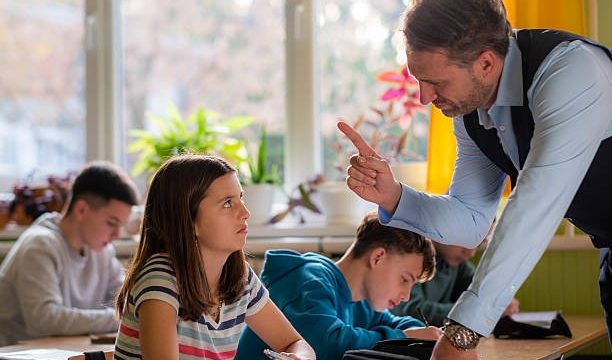
In today’s fast-paced world, where communication often happens through screens rather than face-to-face interactions, it’s more important than ever for children to develop strong communication skills.
These skills are not just about speaking clearly; they encompass listening, understanding emotions, and expressing thoughts in a constructive manner.
Building a foundation for healthy communication can significantly impact a child’s social development, emotional well-being, and future relationships.
A gentle approach to nurturing communication skills begins at home. Parents play a crucial role in modeling effective communication. When children observe their caregivers engaging in open, respectful dialogue, they learn the importance of expressing themselves clearly while also valuing the perspectives of others. Simple conversations during daily routines—such as sharing thoughts about a book or discussing the events of the day—can foster a rich environment for practicing these skills.
Listening is a vital component of communication that is often overlooked. Children need to learn that communication is not just about talking but also about listening to others. Encouraging active listening can be as simple as prompting your child to repeat back what someone has said or to ask questions about it. This practice not only shows that they value the speaker’s words but also helps them process information more effectively.
Creating a safe space for children to express their feelings can have a profound impact on their ability to communicate. When children feel safe to share their thoughts and emotions without fear of judgment, they are more likely to open up. Encourage them to talk about their day, their feelings, or any challenges they might be facing. Acknowledging their emotions and validating their experiences can help them articulate their thoughts more clearly.
Another delightful way to enhance communication skills is through storytelling. Sharing stories, whether they are personal anecdotes or tales from books, can ignite a child’s imagination and inspire them to express themselves. Encourage them to narrate their own stories, perhaps about a favorite memory or a dream they had. This exercise not only boosts their vocabulary but also helps them learn how to structure their thoughts and engage an audience.
In addition to verbal communication, non-verbal cues play a significant role. Children should be encouraged to pay attention to body language, facial expressions, and tone of voice. Engaging in role-playing games can be a fun way to teach these concepts. By acting out different scenarios, children can learn how to read and respond to non-verbal signals, enhancing their overall communication abilities.
As children grow, they will encounter various social situations that require them to navigate conversations with peers. Teaching them about the importance of empathy can be incredibly beneficial. Discussing different perspectives and how others might feel in certain situations can help children develop a sense of compassion and understanding, which are essential elements of effective communication.
Encouraging group activities can also provide opportunities for children to practice their communication skills in a supportive environment. Whether it’s participating in team sports, joining a club, or engaging in community service, these activities foster collaboration and dialogue. They learn to express their ideas, negotiate, and work towards common goals, all of which are key components of healthy communication.
Technology, while sometimes seen as a barrier to effective communication, can also be a valuable tool when used mindfully. Online platforms provide opportunities for children to connect with others and express themselves creatively. However, it’s essential to guide children in using technology responsibly. Discuss with them the importance of respectful communication online and the impact it can have on their relationships.
As parents and caregivers, it’s vital to be patient and understanding throughout this journey. Children will make mistakes and may struggle to articulate their thoughts at times. Instead of expressing frustration, offer gentle guidance and encouragement. Celebrate their efforts, no matter how small, and remind them that effective communication is a skill that takes time to develop.
Incorporating communication-building activities into daily life can be both enjoyable and enriching. Family game nights that involve storytelling, charades, or even simple discussions about favorite movies can create lasting memories while honing communication skills. These moments reinforce the idea that communication is not just a task but an essential part of connection and relationship-building.
As children learn to express themselves clearly and empathetically, they will also begin to understand the nuances of conversation. They will learn when to listen, when to share their thoughts, and how to navigate the complexities of human interaction. These skills will serve them well throughout their lives, aiding them in forming strong friendships, succeeding in their education, and eventually thriving in their careers.
In a world that often feels disconnected, helping children build healthy communication skills is a gift that lasts a lifetime. By fostering an environment of open dialogue, empathy, and active listening, we equip the next generation with the tools they need to connect with others meaningfully. This journey is not just about teaching children how to speak; it’s about nurturing their ability to understand, relate, and thrive in a world filled with diverse voices and experiences.
Ultimately, as we guide our children in this important aspect of their development, we also embark on a journey of our own. We learn alongside them the beauty of connection, the power of words, and the importance of being present with one another. In this shared experience, we find not only growth but also a deeper appreciation for the art of communication itself.