As we navigate through the complexities of life, education often serves as a cornerstone for personal and professional development.
College, in particular, is a unique experience that goes beyond textbooks and lectures.
It is a transformative journey that shapes us in various ways, equipping us with a myriad of transferable skills that remain relevant long after graduation. Understanding how college builds these skills can illuminate the true value of higher education.
A journey of self-discovery
College is not just about acquiring knowledge; it is a significant phase of self-discovery. For many students, it is the first time they are away from home, managing their own schedules, and making independent choices. This newfound autonomy fosters critical thinking and decision-making skills. Students learn to weigh options, consider consequences, and make informed choices, which are essential skills in both personal and professional realms.
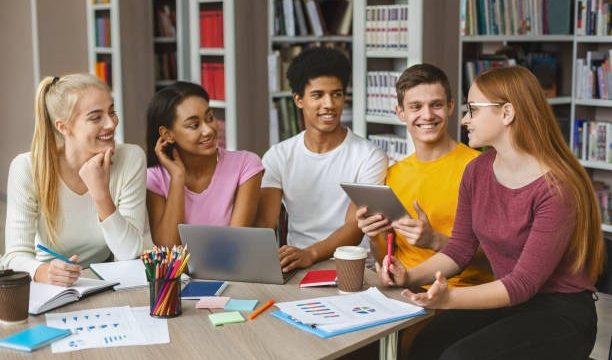
The college experience often encourages students to step outside their comfort zones. Whether it’s joining a club, participating in student government, or engaging in community service, these activities help cultivate leadership and teamwork skills. Navigating group dynamics teaches students how to communicate effectively, resolve conflicts, and work collaboratively toward a common goal. These experiences are invaluable, as they mirror the collaborative nature of most workplaces.
Cultivating communication skills
In an ever-connected world, the ability to communicate effectively is paramount. College provides a rich environment for honing these skills, whether through presentations, group projects, or written assignments. Students learn to articulate their thoughts clearly and persuasively, adapting their communication style to suit different audiences. This adaptability is crucial in today’s diverse workplace, where individuals must convey ideas to colleagues, clients, and stakeholders from various backgrounds.
Moreover, college often facilitates connections among peers from different cultures and perspectives. Engaging in discussions with individuals who have varied life experiences fosters empathy and cultural awareness. These interactions not only enhance communication skills but also prepare students for a globalized workforce where understanding and respecting diversity is essential.
Embracing resilience and adaptability
Life is unpredictable, and college is no exception. Students face challenges such as demanding coursework, time management, and balancing social lives. Navigating these hurdles fosters resilience, teaching students how to bounce back from setbacks and adapt to new circumstances. This ability to persevere in the face of adversity is a skill that extends far beyond the classroom.
In addition to resilience, adaptability is a key skill that college nurtures. As industries evolve and new technologies emerge, the workforce demands individuals who can pivot and embrace change. Students learn to be flexible, adjusting their approaches and strategies in response to new information or shifting priorities. This adaptability not only enhances employability but also empowers individuals to thrive in an ever-changing world.
Fostering critical thinking
Critical thinking is often regarded as one of the most valuable skills cultivated in college. Through engaging discussions, research projects, and analytical assignments, students learn to evaluate information, identify biases, and construct logical arguments. This skill is essential in a world inundated with information, allowing individuals to discern between fact and fiction and make informed decisions.
The ability to think critically also translates into problem-solving skills. Students are often tasked with addressing complex issues, whether in group projects or individual assignments. This requires creative thinking and the ability to approach problems from different angles. As students develop these skills, they become more effective at finding innovative solutions, a quality that is highly sought after in any profession.
The importance of time management
Balancing academics, extracurricular activities, and personal responsibilities can be a juggling act. College teaches students the importance of time management, instilling habits that are essential for success in the workplace. Learning to prioritize tasks, set deadlines, and allocate time efficiently prepares individuals for the demands of professional life.
Effective time management also contributes to overall well-being. Students who master this skill often experience reduced stress and increased productivity. By managing their time wisely, they can carve out moments for self-care, relationships, and leisure activities, fostering a sense of balance that is crucial for long-term success.
Building a professional network
College is a prime opportunity for networking, allowing students to build relationships with peers, professors, and industry professionals. These connections can prove invaluable as graduates enter the job market. Networking fosters collaboration and opens doors to internships, mentorships, and job opportunities, all of which are essential for career advancement.
Moreover, the relationships formed during college often extend beyond graduation. Lifelong friendships and professional connections can provide support, guidance, and collaboration throughout one’s career. The importance of networking in building a successful career cannot be overstated, making college an ideal launching pad for future endeavors.
Nurturing a sense of purpose
Perhaps one of the most profound skills that college cultivates is a sense of purpose. Through exposure to various fields of study, students often discover their passions and interests. This self-awareness is crucial for career satisfaction and personal fulfillment.
As students explore different subjects and engage with diverse ideas, they begin to understand their values and aspirations. This clarity can guide their career choices, leading to more meaningful contributions in their chosen fields. A strong sense of purpose not only enhances motivation but also fosters resilience in the face of challenges.
In conclusion, the college experience is a journey that extends far beyond academic achievements. It serves as a foundation for building a diverse array of transferable skills that are essential for success in both personal and professional realms. From critical thinking and communication to resilience and networking, the skills honed during this transformative period are invaluable assets throughout life. Embracing the lessons learned in college can lead to a more fulfilling, balanced, and successful future.