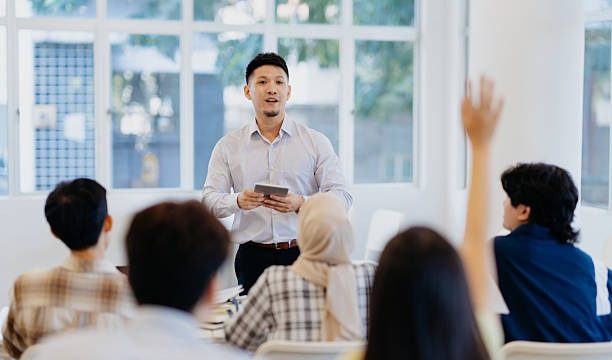
In our ever-evolving world, the pursuit of higher education often brings to mind images of graduation caps and bustling campuses.
Yet, beyond the textbooks and lectures, higher education cultivates a rich tapestry of skills that extend far into our personal and professional lives.
The journey of learning is not solely about acquiring knowledge; it’s about developing a suite of competencies that shape who we are and how we engage with the world.
A deeper understanding of critical thinking
One of the most profound skills honed through higher education is critical thinking. Students are encouraged to analyze information, question assumptions, and evaluate arguments. This skill transcends the classroom, enabling individuals to navigate everyday challenges with clarity and insight. Whether it’s dissecting a news article or making an informed decision at work, the ability to think critically fosters a more nuanced understanding of complex issues.
In a world inundated with information, the capacity to discern credible sources from unreliable ones is invaluable. Higher education nurtures this discernment, teaching students not just to accept information at face value but to probe deeper, ask questions, and seek evidence. This skill empowers individuals to engage in meaningful conversations and apply their insights in both personal and professional settings.
Cultivating effective communication
Effective communication is another cornerstone of higher education. Through presentations, group projects, and written assignments, students learn to articulate their thoughts clearly and persuasively. This skill is essential in virtually every aspect of life, from collaborating with colleagues to expressing ideas in social settings.
Moreover, education often provides a platform for exploring diverse perspectives. Engaging with peers from various backgrounds fosters a sense of empathy and understanding, allowing individuals to communicate with sensitivity and awareness. These experiences not only enhance interpersonal skills but also prepare individuals for a globally connected world where collaboration and understanding are paramount.
Fostering resilience and adaptability
The path of higher education is rarely linear. Students encounter challenges, whether it’s balancing coursework with personal commitments or navigating unforeseen obstacles. This environment nurtures resilience—a vital skill in today’s fast-paced society. Learning to adapt to changing circumstances and bounce back from setbacks equips individuals with a mindset that embraces growth and perseverance.
Resilience extends beyond academic challenges. It influences how we approach life’s hurdles, instilling a sense of determination and the belief that we can overcome obstacles. In a professional setting, this adaptability can be a game-changer, allowing individuals to thrive in dynamic environments and embrace new opportunities as they arise.
Building a network of connections
Higher education also serves as a fertile ground for building connections. From professors to classmates, the relationships formed during this time can have lasting impacts on both personal and professional trajectories. Networking is not just about exchanging business cards; it’s about cultivating relationships based on mutual interests and shared experiences.
These connections often lead to mentorship opportunities, collaborations, and even lifelong friendships. The ability to network effectively is a skill that can open doors, whether in seeking job opportunities or finding support in various endeavors. As individuals navigate their careers, these relationships can prove invaluable, providing guidance and encouragement along the way.
Enhancing time management and organization
The demands of higher education teach students the importance of time management and organization. Juggling classes, assignments, and extracurricular activities requires a level of planning and prioritization that translates seamlessly into the workplace. Learning to set goals, meet deadlines, and manage responsibilities fosters a sense of discipline that is essential for success.
These organizational skills not only enhance productivity but also contribute to a greater sense of balance in life. By mastering the art of time management, individuals can create space for self-care, hobbies, and relationships—ensuring that they lead a well-rounded life beyond academics.
Embracing a lifelong learning mindset
Higher education instills a love for learning that extends well beyond the classroom. It encourages individuals to be curious, to seek knowledge, and to embrace new ideas. This mindset is crucial in a rapidly changing world where continuous learning is essential for personal and professional growth.
The ability to adapt to new technologies, methodologies, and perspectives is a skill that can set individuals apart in their careers. Embracing lifelong learning fosters innovation and creativity, allowing individuals to remain relevant and engaged in their fields. It also nurtures a sense of fulfillment, as the quest for knowledge becomes a lifelong journey.
Nurturing emotional intelligence
In addition to technical skills, higher education often emphasizes the development of emotional intelligence. Understanding one’s own emotions and recognizing the feelings of others is essential for effective collaboration and leadership. Courses and group activities provide opportunities for students to practice empathy, conflict resolution, and active listening.
Emotional intelligence is increasingly recognized as a key factor in success across various fields. It fosters healthier relationships, enhances teamwork, and contributes to a positive work environment. As individuals cultivate this skill, they become more adept at navigating social dynamics, making them valuable assets in any professional setting.
Finding purpose and direction
Finally, higher education often serves as a catalyst for self-discovery and personal growth. Through exposure to diverse subjects and experiences, students gain insights into their passions and values. This process of exploration can lead to a clearer sense of purpose and direction in life.
Understanding one’s strengths and interests not only informs career choices but also contributes to overall well-being. When individuals align their work with their values, they are more likely to experience fulfillment and satisfaction. Higher education provides the tools and experiences necessary for this exploration, empowering individuals to pursue paths that resonate with their true selves.
In closing, the skills gained through higher education extend far beyond academic achievement. They encompass critical thinking, effective communication, resilience, networking, time management, a love for learning, emotional intelligence, and a sense of purpose. As individuals navigate their journeys, these competencies serve as guiding lights, illuminating the path toward personal and professional fulfillment. Higher education is not just a milestone; it is a transformative experience that shapes the very essence of who we are.