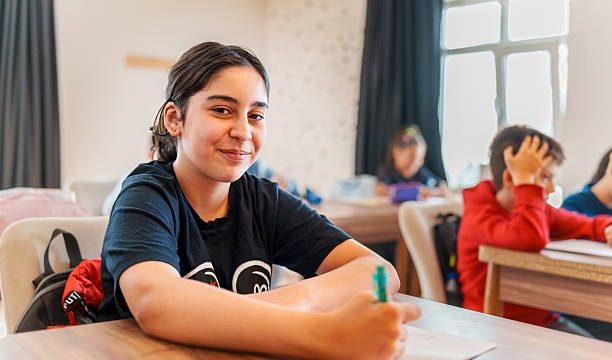
As students embark on their journey through college, they often find themselves navigating a landscape filled with new experiences, challenges, and opportunities.
While academic knowledge is crucial, there are several skills that can significantly enhance college success, creating a fulfilling and enriching environment.
These skills not only support academic performance but also foster personal growth and well-being.
A gentle approach to time management can make a world of difference. College is often a whirlwind of classes, assignments, extracurricular activities, and social engagements. Learning to manage time effectively allows students to prioritize tasks and allocate appropriate amounts of time to each. This doesn’t mean cramming or sacrificing sleep; instead, it’s about creating a balanced schedule that accommodates both study and leisure. Simple techniques like using a planner or calendar can help students visualize their commitments, making it easier to stay organized and reduce stress.
Another essential skill is effective communication. In college, students engage with a diverse array of individuals, from professors to peers. Developing strong communication skills enables students to articulate their thoughts clearly and listen actively. This can enhance classroom discussions, foster collaboration on group projects, and build meaningful relationships. Whether it’s through writing essays, participating in discussions, or networking, honing communication skills can pave the way for academic and professional success.
A small shift toward self-discipline can also yield significant benefits. College often presents temptations that can derail focus and productivity. Cultivating self-discipline allows students to stay committed to their goals, even when distractions arise. This could mean setting aside dedicated study time, limiting social media use, or resisting the urge to procrastinate. By building self-discipline, students empower themselves to make choices that align with their aspirations, ultimately leading to a more successful college experience.
Adaptability is another vital skill in the ever-changing environment of college life. Students may encounter unexpected challenges, such as difficult courses, changes in their living arrangements, or shifts in their social circles. Being adaptable allows students to navigate these changes with resilience and a positive mindset. Embracing a flexible approach can lead to new opportunities and experiences, helping students grow and thrive in unfamiliar situations.
Emotional intelligence plays a crucial role in enhancing college success as well. Understanding one’s emotions and being able to empathize with others can create a supportive community. Students who cultivate emotional intelligence are often better equipped to handle stress, resolve conflicts, and build meaningful connections. This skill is invaluable not only during college but also in future professional environments where teamwork and collaboration are essential.
A commitment to lifelong learning can transform the college experience. While grades are important, fostering a genuine curiosity about the world can lead to a richer understanding of subjects and a more fulfilling educational journey. Students who embrace a mindset of continuous learning are more likely to engage actively in their studies, seek out new knowledge, and connect concepts across different disciplines. This approach can enhance academic performance and inspire a passion for learning that lasts long after graduation.
Building a strong support network is equally important. College can sometimes feel isolating, especially for those who are away from home for the first time. Establishing relationships with peers, mentors, and faculty can provide students with a sense of belonging and support. Joining clubs, attending events, or simply reaching out to classmates can help forge connections that enrich the college experience. A supportive network can also offer encouragement during challenging times, reminding students that they are not alone on their journey.
Mindfulness and stress management techniques can greatly contribute to overall well-being and academic success. College can be overwhelming, and students often face high levels of stress. Practicing mindfulness, through meditation or simple breathing exercises, can help students center themselves and regain focus. Additionally, engaging in regular physical activity and maintaining a balanced diet can enhance mood and energy levels, further supporting academic performance.
As students explore their interests and passions, developing critical thinking skills becomes increasingly important. The ability to analyze information, evaluate arguments, and make informed decisions is central to academic success. Encouraging curiosity and questioning assumptions can help students become more engaged learners. This skill not only aids in academic pursuits but also prepares students for a rapidly changing world where critical thinking is essential.
Lastly, embracing a positive mindset can significantly influence college success. Challenges are inevitable, but maintaining an optimistic outlook can help students navigate difficulties with resilience. Fostering self-compassion and recognizing personal achievements, no matter how small, can contribute to a healthier self-image and greater motivation. A positive mindset encourages students to view setbacks as opportunities for growth, ultimately leading to a more fulfilling college experience.
In conclusion, the journey through college is not solely about academic achievement; it encompasses personal growth, self-discovery, and the development of essential life skills. By focusing on time management, effective communication, self-discipline, adaptability, emotional intelligence, lifelong learning, building support networks, mindfulness, critical thinking, and a positive mindset, students can enhance their college experience in meaningful ways. These skills not only contribute to academic success but also lay the foundation for a balanced and fulfilling life beyond the classroom. Embracing this holistic approach can transform the college experience into a rich tapestry of learning, growth, and connection.