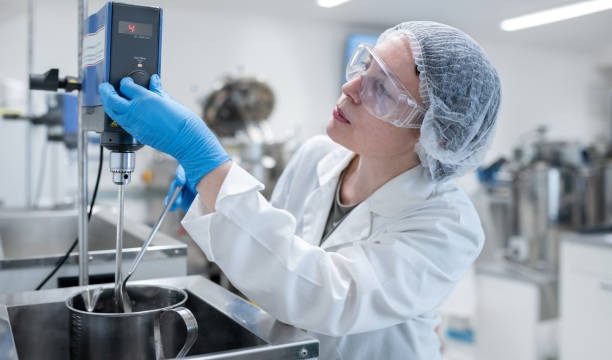
In a world increasingly concerned with sustainability and environmental preservation, it’s easy to overlook the quiet but powerful role that chemistry plays in our everyday lives.
This fascinating science isn’t just confined to laboratories or classrooms; it quietly weaves itself into the very fabric of our environment, helping to clean and protect it in ways we may not always recognize.
From the air we breathe to the water we drink, chemistry is at the heart of many solutions that contribute to a healthier planet.
The air we breathe is a vital part of our existence, and chemistry helps us understand and manage air quality. Volatile organic compounds, or VOCs, are chemicals that can easily become vapors or gases. They are prevalent in everyday items like paints, cleaning supplies, and even some furniture. Understanding their chemical properties allows us to develop better regulations and create safer, eco-friendly alternatives. For instance, scientists have engineered low-VOC paints that maintain vibrant colors without compromising air quality. By embracing these innovations, we contribute to a healthier indoor environment while also reducing the overall pollution in our atmosphere.
Another area where chemistry shines is in water purification. Clean water is essential for life, yet it remains a precious resource in need of protection. Through the study of chemical processes, we have developed various methods to treat and purify water. For example, chlorination, a common practice where chlorine is added to water, effectively kills harmful bacteria and pathogens, making it safe for consumption. However, the chemistry behind this process also allows us to explore alternatives, such as ozone treatment and ultraviolet light purification, which can further minimize chemical residues in our water supply. By understanding these processes, we can make informed choices about the water we use and promote technologies that safeguard our most precious resource.
In recent years, the world has witnessed a growing emphasis on biodegradable materials, and chemistry has been instrumental in this shift. Traditional plastics have long been a source of pollution, harming wildlife and ecosystems. However, chemists are developing biodegradable alternatives that break down more naturally in the environment. These materials, often derived from renewable resources like cornstarch or sugarcane, offer a promising solution to the plastic problem. By supporting the use of biodegradable products, we can reduce our environmental footprint and encourage industries to adopt more sustainable practices.
The chemistry of cleaning products is another area where innovation meets environmental responsibility. Many conventional cleaning agents contain harsh chemicals that can be harmful to both our health and the environment. Fortunately, the rise of green chemistry has led to the formulation of safer, plant-based cleaning products. These alternatives are not only effective at removing dirt and grime but also minimize the release of harmful substances into our air and waterways. By choosing environmentally friendly cleaning supplies, we can maintain a clean home while contributing to a cleaner planet.
A small shift toward balance can also be seen in the realm of agriculture. Chemists play a vital role in developing fertilizers and pesticides that enhance crop yield while minimizing environmental impact. By applying their understanding of chemical reactions and interactions, scientists can create formulations that target specific pests and nutrients without harming beneficial insects or depleting soil quality. This thoughtful approach to agriculture not only boosts food production but also promotes sustainable farming practices that protect our ecosystems.
In the realm of energy, chemistry is paving the way for cleaner alternatives. The development of renewable energy sources, such as solar panels and wind turbines, relies heavily on chemical processes. For example, solar cells are made from materials like silicon, which undergo complex chemical reactions to convert sunlight into electricity. As chemists continue to innovate in this field, we can look forward to more efficient energy solutions that reduce our reliance on fossil fuels and decrease greenhouse gas emissions.
The chemistry of waste management is another crucial aspect of environmental preservation. As our world produces more waste, finding effective ways to manage it becomes increasingly important. Chemists are working on advanced recycling techniques that break down materials at the molecular level, allowing them to be reused in new products. This not only reduces the amount of waste that ends up in landfills but also conserves valuable resources. By supporting recycling initiatives and understanding the chemistry behind them, we can all play a part in minimizing waste and promoting a circular economy.
The connection between chemistry and environmental health is profound and multifaceted. As we navigate the complexities of modern life, it’s essential to recognize the ways in which chemistry contributes to our well-being and the health of our planet. By being mindful of the products we use, the energy we consume, and the waste we produce, we can make choices that align with a more sustainable future.
In conclusion, chemistry is not just a subject studied in schools; it is a vital force in our efforts to clean and protect our environment. From improving air and water quality to developing biodegradable materials and innovative energy solutions, the contributions of chemistry are both essential and inspiring. As we continue to embrace these advancements, we can foster a deeper appreciation for the science that underpins our daily lives and empowers us to create a healthier, more sustainable world for future generations.