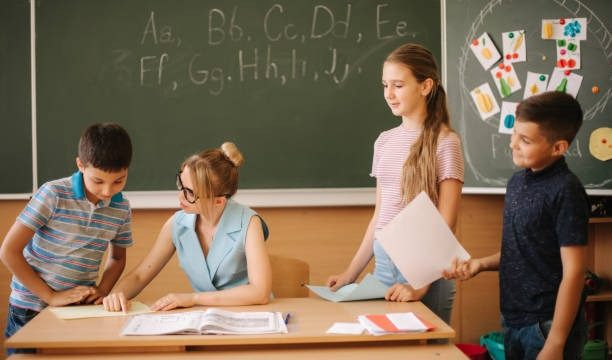
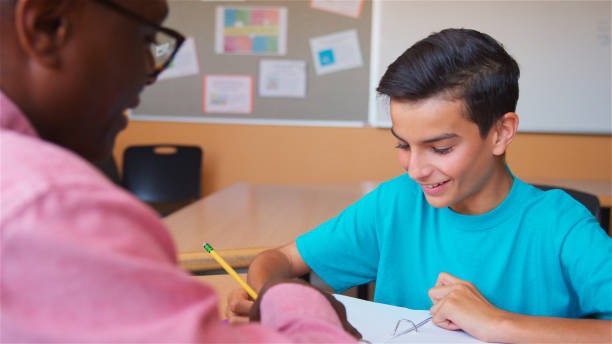
In a world where traditional schooling often takes center stage, many families are exploring alternatives that resonate more with their values, lifestyles, and the unique needs of their children.
The journey of education can be as diverse as the individuals embarking on it, and finding the right path can lead to a fulfilling and enriching experience.
A gentle shift toward exploration
For some, the thought of stepping away from conventional schooling can feel daunting. However, it’s essential to remember that education is not a one-size-fits-all approach. As society evolves, so too do our understanding and expectations of learning. It is perfectly natural to seek alternatives that align more closely with your family’s philosophy, interests, and goals. From homeschooling to unschooling, and from cooperative learning to alternative schools, the options available today are varied and vibrant.
Homeschooling as a personalized journey
Homeschooling has gained popularity in recent years, offering a tailored approach to education that can adapt to a child’s individual pace and interests. This method allows parents to curate a curriculum that reflects their values and priorities, fostering a deeper connection between learning and real-life experiences. Engaging in hands-on projects, exploring nature, or diving into community service can transform education into a rich tapestry of experiences rather than a series of isolated lessons.
Moreover, homeschooling offers flexibility, allowing families to travel, explore new interests, or simply enjoy quality time together. By embracing this alternative, parents often find themselves learning alongside their children, creating a shared journey of discovery that deepens their bond.
The unschooling philosophy
Unschooling takes the concept of homeschooling a step further by emphasizing child-led learning. In this approach, the focus is on fostering curiosity and allowing children to explore their interests freely. Rather than following a structured curriculum, unschoolers often engage in activities that ignite their passion, whether that’s through art, science experiments, or even engaging in local community projects.
This method encourages a love for learning that is intrinsic rather than driven by external pressures. By trusting children to guide their own educational paths, parents can cultivate an environment where exploration and creativity thrive. This approach can lead to remarkable outcomes, as children develop skills and knowledge that resonate deeply with their personal interests.
Cooperative learning communities
Another alternative gaining traction is cooperative learning, where families come together to create a supportive educational environment. In these communities, parents and children collaborate to design and implement educational activities. This might involve shared teaching responsibilities, field trips, or group projects that promote teamwork and social interaction.
Cooperative learning fosters a sense of belonging and community, allowing children to learn not just from their parents but also from their peers. This model encourages social skills, collaboration, and problem-solving, all of which are essential in today’s interconnected world. Families often find that the bonds formed within these communities enrich their educational experience, creating lasting friendships and shared memories.
Exploring alternative schools
For those who prefer a more structured environment but still seek alternatives to traditional schooling, alternative schools may be an appealing option. These institutions often adopt progressive teaching methods, focusing on holistic development rather than standardized testing. With an emphasis on creativity, critical thinking, and emotional intelligence, alternative schools provide a nurturing environment that encourages students to thrive.
Montessori and Waldorf schools are two well-known examples of alternative education that prioritize experiential learning and individualized instruction. These schools often have smaller class sizes, allowing for personalized attention and fostering a strong sense of community among students, teachers, and families. By focusing on the whole child, alternative schools aim to cultivate not only academic skills but also character and social responsibility.
Emphasizing experiential learning
Regardless of the chosen path, one common thread among these alternatives is the emphasis on experiential learning. Immersive experiences, whether they occur in nature, through travel, or via community engagement, can enhance understanding and retention in ways that traditional classroom settings might not.
For instance, nature-based learning allows children to explore ecosystems, understand environmental stewardship, and develop a sense of wonder about the world around them. Field trips to museums or historical sites can bring subjects to life, making learning a dynamic and engaging experience. By connecting education with real-life experiences, children are more likely to develop a lifelong love of learning.
Finding balance in your approach
As families navigate alternative educational paths, it’s essential to find balance and remain open to adjustments along the way. Each child is unique, and what works for one may not resonate with another. This journey requires patience, flexibility, and a willingness to adapt as children grow and their interests evolve.
It’s also beneficial to maintain a dialogue with children about their learning experiences. Encouraging them to express their thoughts and feelings about their educational journey fosters a sense of agency and empowerment. This open communication can lead to a deeper understanding of their needs and aspirations, guiding families toward the most fulfilling educational choices.
Creating a supportive environment
Ultimately, the goal of exploring alternatives to school is to create a supportive and enriching environment where children can flourish. Whether through homeschooling, unschooling, cooperative learning, or alternative schools, the focus should be on nurturing a love for learning, fostering creativity, and developing essential life skills.
As families embark on this journey, they may discover that education is not merely about acquiring knowledge but about building relationships, exploring passions, and developing a sense of purpose. By embracing the myriad of alternatives available, families can create a personalized educational experience that aligns with their values and aspirations, ultimately leading to a more balanced and fulfilling life.
In this ever-evolving landscape of education, the possibilities are as limitless as the potential of each child. Exploring effective alternatives to school can open doors to new experiences and opportunities, allowing families to create a rich and meaningful educational journey together.