In the ever-evolving landscape of education, the concept of personalized learning has emerged as a beacon of hope for students seeking to thrive in their academic journeys.
This individualized approach tailors learning experiences to meet the unique needs, interests, and strengths of each student.
In a world where one-size-fits-all solutions often fall short, personalized learning serves as a powerful tool for success, nurturing not only academic achievement but also emotional well-being and self-discovery.
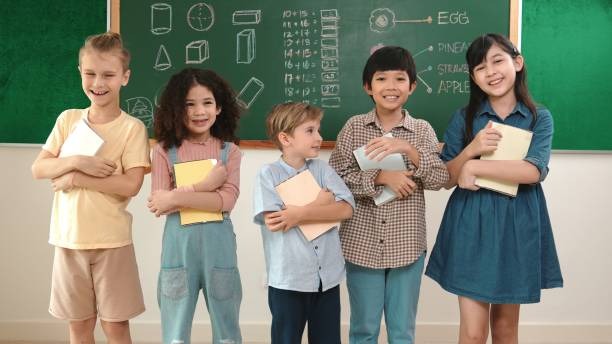
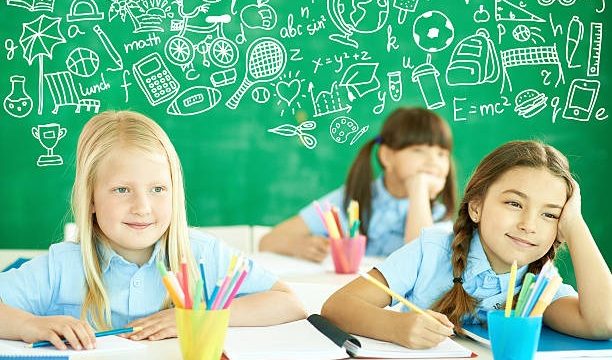
At its core, personalized learning recognizes that every student is distinct. Imagine a classroom where lessons are not dictated by a rigid curriculum but instead adapt to the pace and style of each learner. This flexibility fosters an environment where curiosity can flourish, allowing students to explore topics that resonate with them. When learners are engaged and excited about what they study, they are more likely to retain information and develop a genuine love for learning.
One of the most beautiful aspects of personalized learning is its ability to empower students. By placing them at the center of their educational experience, this approach encourages self-directed learning. Students take ownership of their studies, setting goals and reflecting on their progress. This not only cultivates a sense of responsibility but also builds confidence. As learners navigate challenges and celebrate successes, they develop resilience—a vital skill that extends far beyond the classroom.
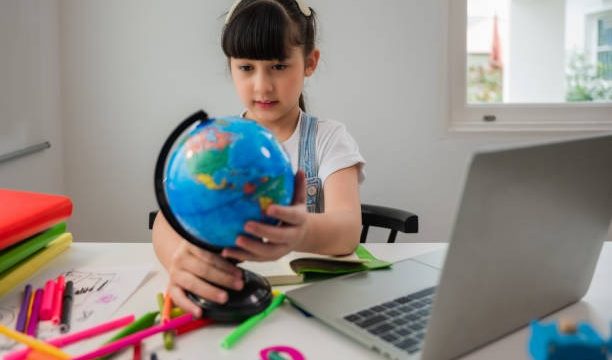
Creating a personalized learning experience often involves leveraging technology. Digital tools can provide tailored resources, from interactive lessons to assessments that adapt to a student’s comprehension level. While technology is a powerful ally in this journey, it is essential to remember that the human element remains irreplaceable. Educators play a crucial role in guiding and supporting students, offering encouragement and insights that technology alone cannot provide. The synergy between technology and personal connection creates a rich tapestry of learning experiences.
A small shift toward balance can also be found in the way personalized learning promotes collaboration. In traditional settings, competition often reigns supreme. However, personalized learning encourages students to work together, sharing their strengths and learning from one another. Group projects and peer feedback foster a sense of community, reminding students that they are not alone on their educational paths. This collaborative spirit not only enhances learning outcomes but also nurtures vital social skills that will serve students well in their futures.
As we delve deeper into the world of personalized learning, it’s important to highlight the role of educators. Teachers are no longer mere dispensers of knowledge; they are facilitators of learning experiences. In a personalized learning environment, educators become mentors who guide students in discovering their passions and interests. This shift in role requires ongoing professional development and support for teachers, ensuring they have the tools and training necessary to create dynamic, engaging learning environments.
The beauty of personalized learning extends to its inclusivity. This approach recognizes that every student comes with their own set of challenges and abilities. For those who may struggle in traditional settings, personalized learning offers alternative pathways to success. It allows for differentiated instruction, where lessons can be adapted to accommodate various learning styles and paces. This inclusivity not only benefits students with learning differences but also enriches the educational experience for all, as diverse perspectives and strengths are celebrated.
In the context of personalized learning, assessment takes on a new meaning. Instead of relying solely on standardized tests, educators can employ a variety of assessment methods that provide a more holistic view of a student’s progress. Portfolios, self-assessments, and project-based evaluations offer deeper insights into a student’s understanding and growth. This shift allows for a more meaningful evaluation of learning, focusing on the journey rather than just the end result.
As personalized learning continues to gain traction, it’s essential to consider its implications for lifelong learning. In a rapidly changing world, the ability to adapt and learn continuously is paramount. Personalized learning instills a love for learning that extends beyond formal education. Students develop skills that will serve them well in their careers and personal lives, such as critical thinking, adaptability, and a growth mindset. These qualities prepare them to navigate the complexities of the modern world with confidence and resilience.
The journey of personalized learning is not without its challenges. Implementing such an approach requires careful planning, resources, and a commitment to ongoing evaluation and improvement. However, the potential benefits far outweigh the obstacles. As educators, parents, and communities come together to support personalized learning initiatives, we pave the way for a brighter future for our students.
In conclusion, personalized learning is more than just an educational trend; it is a transformative approach that has the power to shape the future of education. By recognizing and valuing the individual journey of each learner, we create an environment where success is not just measured by grades but by the joy of discovery and the development of lifelong skills. As we embrace this shift toward personalized learning, we open doors to endless possibilities, nurturing a generation of curious, confident, and capable individuals ready to take on the world. The path to success is illuminated by the unique stories and experiences of each student, and it is our collective responsibility to support and celebrate those journeys.