In a world that is increasingly interconnected and fast-paced, the concept of personalized learning has gained remarkable traction.
The idea revolves around tailoring educational experiences to meet individual needs, strengths, and interests.
This approach not only fosters academic growth but also nurtures personal development, making learning a more engaging and fulfilling journey.
Personalized learning encourages each learner to chart their own course, recognizing that everyone’s path is unique. Imagine a classroom where the curriculum adapts to the interests of each student, where assessments are not just tests but reflections of understanding, and where the joy of learning is reignited. This vision is not just an ideal; it is becoming a reality in various educational settings.
Creating a nurturing environment is crucial for this personalized approach. This means fostering a culture where students feel safe to express themselves, explore their curiosities, and even make mistakes. In such spaces, educators play a pivotal role, guiding learners with empathy and understanding. They become mentors rather than mere instructors, facilitating discussions that encourage critical thinking and collaboration. This shift in dynamics not only empowers students but also strengthens the teacher-student relationship, making learning a shared adventure.
A small shift toward balance can have a profound impact on how learning is perceived. Traditionally, education has often emphasized rote memorization and standardized testing. However, personalized learning encourages a broader perspective, focusing on the development of skills such as creativity, problem-solving, and emotional intelligence. By integrating these elements into the learning process, educators can help students cultivate a well-rounded skill set that prepares them for the complexities of life beyond the classroom.
One of the most beautiful aspects of personalized learning is its ability to adapt to different learning styles. Some students thrive in collaborative environments, while others may prefer solitary study or hands-on experiences. By recognizing these preferences, educators can design lessons that resonate with each individual. For instance, a student with a penchant for storytelling might be encouraged to present their understanding of a historical event through a creative narrative, while another who excels in analytical thinking could explore the same topic through data analysis. This flexibility not only enhances understanding but also instills confidence in learners, allowing them to embrace their unique ways of processing information.
Incorporating technology into personalized learning is another vital aspect. Digital tools can provide an array of resources tailored to individual learning paces and styles. Online platforms can offer interactive lessons, quizzes, and forums for discussion, making learning accessible and engaging. Furthermore, technology allows for the tracking of progress in a way that is constructive and supportive, providing both students and educators with valuable insights. This data-driven approach enables adjustments to be made in real time, ensuring that learners are continuously challenged and supported.
Beyond academics, personalized learning also emphasizes the importance of social-emotional development. Recognizing that education is not solely about cognitive growth, this approach encourages skills such as resilience, empathy, and self-awareness. By creating opportunities for students to engage in discussions about their feelings and experiences, educators can help them develop a strong sense of identity. This not only enhances their learning experience but also prepares them to navigate the complexities of interpersonal relationships in the future.
Cultivating a growth mindset is at the heart of personalized learning. This philosophy encourages students to view challenges as opportunities for growth rather than obstacles. When learners understand that effort and persistence lead to improvement, they become more willing to take risks and embrace new experiences. Educators can foster this mindset by celebrating progress, no matter how small, and encouraging reflection on personal achievements. This positive reinforcement creates a supportive atmosphere where students feel empowered to take charge of their own learning.
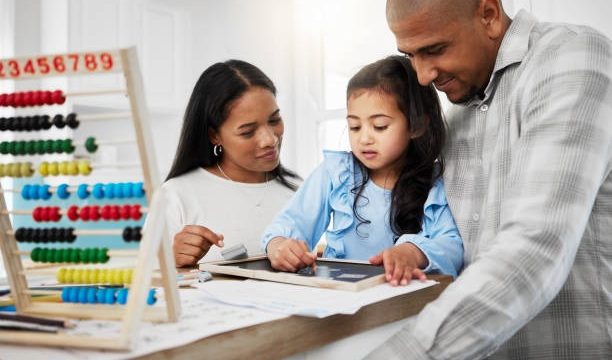
As we consider the role of personalized learning in education, it’s essential to acknowledge the partnership between students, educators, and families. Open communication among these three parties can create a cohesive support system that enhances the learning experience. Families can provide insights into their child’s interests and challenges, while educators can share strategies and resources that align with the child’s growth. This collaboration not only enriches the learning environment but also fosters a sense of community, reminding everyone involved that they are part of a shared journey.
In the grand tapestry of education, personalized learning represents a shift toward a more compassionate and understanding approach. It encourages a culture of curiosity, where students are not just passive recipients of information but active participants in their own growth. By recognizing the individuality of each learner and celebrating their unique paths, we can create a more inclusive and enriching educational experience.
Ultimately, personalized learning is about more than just academic success; it’s about nurturing the whole person. As we move forward, it is crucial to keep the focus on fostering environments that inspire growth, creativity, and resilience. This holistic approach not only benefits students but also enriches the educational community as a whole, creating a brighter future for all. In this journey of learning, let us embrace the beauty of individuality and the limitless potential that lies within each learner.