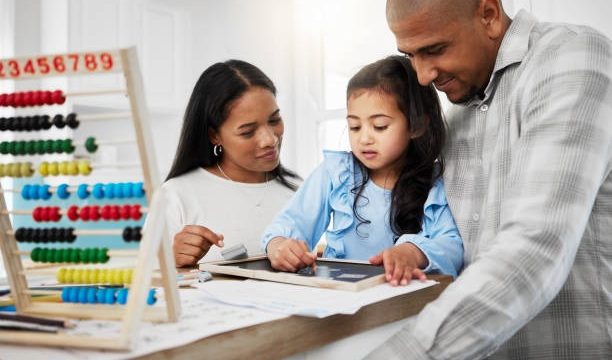
Alternative learning is more than just a trend; it’s a movement that seeks to redefine how we view education and personal growth.
In a world where traditional methods often dominate, alternative learning offers a refreshing perspective that can unlock untapped potential within individuals of all ages.
By embracing diverse approaches, we can cultivate a more inclusive environment that nurtures creativity, critical thinking, and emotional intelligence.
Many of us are familiar with the conventional classroom setting, where rows of desks face a teacher at the front. While this model has its merits, it doesn’t cater to everyone’s unique learning style. Alternative learning, on the other hand, recognizes that education is not a one-size-fits-all experience. It encourages exploration, collaboration, and self-directed discovery, allowing individuals to thrive in ways that resonate with their personal preferences and strengths.
A gentle shift toward individuality
At its core, alternative learning prioritizes the individual. It acknowledges that each person comes with their own set of experiences, interests, and abilities. This tailored approach not only fosters a sense of belonging but also empowers learners to take charge of their educational journey. In environments where creativity is encouraged, students often feel more comfortable expressing themselves, leading to a deeper engagement with the material.
Consider a child who struggles with reading in a traditional classroom. In an alternative learning setting, that same child might explore literature through storytelling, drama, or art. By connecting learning to their passions, they can develop a love for reading that might otherwise remain dormant. This personalized approach not only enhances academic skills but also builds confidence and self-esteem.
Fostering connections through collaboration
One of the most beautiful aspects of alternative learning is the emphasis on collaboration. In many alternative settings, students work together on projects, engage in discussions, and learn from one another’s perspectives. This communal approach fosters a sense of camaraderie and encourages learners to value diverse viewpoints. By working alongside their peers, individuals not only deepen their understanding of the subject matter but also build essential social skills that will serve them well beyond the classroom.
Imagine a group of young adults collaborating on a community project, each bringing their unique talents to the table. Some may excel in organization, while others shine in creative thinking or problem-solving. Together, they learn to appreciate their differences and recognize the value of teamwork. This experience not only enriches their educational journey but also prepares them for real-world challenges where collaboration is key.
An invitation to explore passions
Alternative learning also opens the door to exploration. It invites individuals to delve into subjects that ignite their curiosity and passion. When learners have the freedom to pursue their interests, they often uncover hidden talents and develop a sense of purpose. This exploration can take many forms, from hands-on projects to immersive experiences or even independent study.
For instance, a student interested in environmental science might engage in outdoor learning, conducting experiments in nature or participating in local conservation efforts. This real-world application of knowledge not only deepens their understanding of the subject but also instills a sense of responsibility and connection to the world around them. Such experiences can be transformative, shaping not only academic pursuits but also personal values and future aspirations.
Cultivating emotional intelligence and resilience
In addition to academic growth, alternative learning environments often prioritize emotional intelligence and resilience. These are critical skills for navigating life’s ups and downs. By emphasizing self-awareness, empathy, and effective communication, learners can develop a strong sense of emotional well-being. This holistic approach nurtures not only the mind but also the heart, equipping individuals with the tools they need to thrive in an ever-changing world.
Consider the role of mindfulness practices in alternative learning settings. Many programs incorporate techniques such as meditation or reflection, allowing individuals to connect with their emotions and cultivate a sense of inner peace. By taking the time to pause and reflect, learners can better understand their reactions and develop healthier coping mechanisms. This emotional literacy can enhance relationships, boost resilience, and contribute to overall happiness.
A journey toward lifelong learning
Ultimately, alternative learning fosters a mindset of lifelong learning. When individuals are encouraged to pursue their interests and explore new ideas, they develop a love for knowledge that extends far beyond formal education. This curiosity can lead to a fulfilling and enriched life, where learning becomes a natural part of the daily routine.
As we navigate our own paths, it’s essential to recognize the value of embracing alternative learning methods. Whether through unconventional educational settings, workshops, or self-directed projects, we can all benefit from a more holistic approach to learning. By nurturing our passions and supporting one another in our journeys, we can create a culture that celebrates growth, creativity, and connection.
In conclusion, alternative learning is a powerful catalyst for unlocking potential. By prioritizing individuality, fostering collaboration, encouraging exploration, and cultivating emotional intelligence, we can create environments that inspire and uplift. As we move forward, let’s embrace the richness that alternative learning offers, allowing ourselves and others to flourish in our unique ways. Each step taken toward this inclusive approach not only benefits us as individuals but also contributes to a brighter, more compassionate world.