In the ever-evolving landscape of education, virtual classrooms have become a significant part of our learning ecosystem.
Teachers, who have always been the guiding stars for their students, now face the challenge of tracking progress in a digital environment.
While this shift has its complexities, it also opens up a world of innovative possibilities that can enhance the educational experience for both teachers and students.
A gentle journey into technology
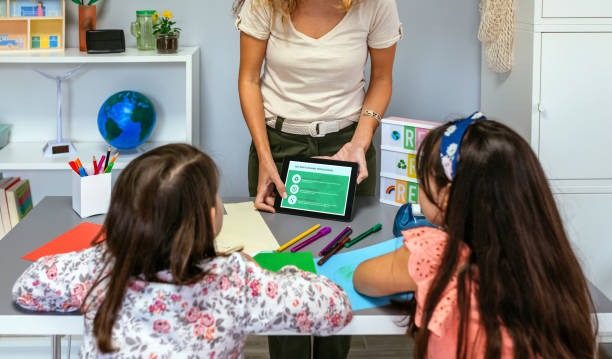
As we navigate through this digital age, technology has become an essential tool in education. Virtual classrooms are more than just a means to deliver lessons; they are platforms where teachers can engage with students in unique ways. Educators are adapting to these changes, utilizing various tools and techniques to ensure that they can effectively monitor their students’ progress. This transition has not only transformed how lessons are delivered but has also redefined how assessment and feedback are approached.
One of the most significant advantages of virtual classrooms is the wealth of data they provide. Through learning management systems and online platforms, teachers have access to a plethora of information regarding student engagement and performance. This data can range from attendance records to assignment completion rates, allowing educators to gain insights into their students’ learning habits. By analyzing this information, teachers can identify trends and patterns that may indicate areas where a student may need additional support or challenge.
Building connections through communication
While data is invaluable, the human connection remains at the heart of education. Teachers are finding innovative ways to communicate with their students, even from a distance. Regular check-ins, whether through video calls or messaging platforms, are becoming commonplace. These interactions not only help teachers gauge student understanding but also foster a sense of community and belonging among learners.
Feedback is another critical component of tracking progress. In virtual classrooms, teachers can provide timely and constructive feedback through various digital means. This can include written comments on assignments, voice notes, or even video messages. By personalizing their responses, educators can make students feel seen and valued, reinforcing their motivation to improve. This approach creates an environment where students are encouraged to take ownership of their learning journey.
Creating a supportive environment
In the realm of virtual education, creating a supportive atmosphere is essential. Teachers are increasingly using collaborative tools that allow students to work together on projects, share ideas, and learn from one another. These interactions not only help students develop essential social skills but also enable teachers to observe group dynamics and individual contributions. By fostering collaboration, educators can gain a more comprehensive understanding of each student’s strengths and areas for growth.
Another aspect of progress tracking in virtual classrooms involves setting clear learning objectives. Teachers are now more focused on outlining specific goals for their students, which can help guide their learning experience. By collaborating with students to set these objectives, educators can empower them to take an active role in their education. This shared ownership can lead to increased motivation and a deeper commitment to learning.
A small shift toward balance
Finding balance in virtual learning is crucial for both teachers and students. The transition to online education can be overwhelming, and it’s important to prioritize mental well-being. Teachers are encouraged to incorporate mindfulness practices and break times into their lessons, allowing students to recharge and refocus. This holistic approach not only benefits students but also helps teachers manage their workload and maintain their own well-being.
Additionally, flexibility is key in virtual classrooms. Teachers are recognizing the importance of accommodating different learning styles and paces. By offering various ways for students to demonstrate their understanding—be it through written work, presentations, or creative projects—educators can create a more inclusive learning environment. This adaptability allows for a richer educational experience, as students can engage in ways that resonate with them personally.
Nurturing a culture of growth
As the landscape of education continues to shift, the idea of a growth mindset is becoming increasingly important. Teachers are encouraging students to view challenges as opportunities for learning rather than obstacles. This mindset helps students embrace their mistakes and learn from them, fostering resilience and perseverance. In virtual classrooms, where the learning journey can feel less structured, cultivating this culture of growth is essential.
Moreover, teachers are recognizing the value of celebrating small wins. Acknowledging progress, no matter how minor, can significantly boost student morale and motivation. Whether it’s mastering a challenging concept or improving participation in discussions, celebrating these achievements creates a positive reinforcement loop that encourages further growth.
The road ahead
As we look to the future of education, it’s clear that virtual classrooms are here to stay. Teachers are continually finding new ways to track progress, engage students, and create meaningful connections. The journey may be filled with challenges, but the ongoing innovation within this space offers exciting possibilities for enhancing the learning experience.
Ultimately, the heart of education lies in the relationships built between teachers and students. By leveraging technology while maintaining that essential human connection, educators can navigate the virtual landscape with grace and purpose. As teachers adapt to this new era, their commitment to nurturing and guiding their students remains unwavering, ensuring that every learner has the opportunity to thrive in this digital age.