In today’s fast-paced educational landscape, engaging students can sometimes feel like an uphill battle.
With distractions everywhere and a curriculum that often feels disconnected from real-world applications, teachers and educators are continually seeking innovative ways to capture the attention and interest of their students.
One approach that has been gaining traction is the use of real projects to inspire and motivate learners.
This method not only fosters engagement but also helps students develop essential skills that will serve them well beyond the classroom.
A natural connection to the world around us
When students are involved in projects that relate to their lives and communities, they tend to feel a deeper connection to their learning. Real projects often involve problem-solving, critical thinking, and collaboration, which are all vital skills in today’s world. For instance, a project centered around local environmental issues can encourage students to explore sustainability while also understanding the impact of their actions on the planet. When students see the relevance of their work, it transforms their attitude toward learning.
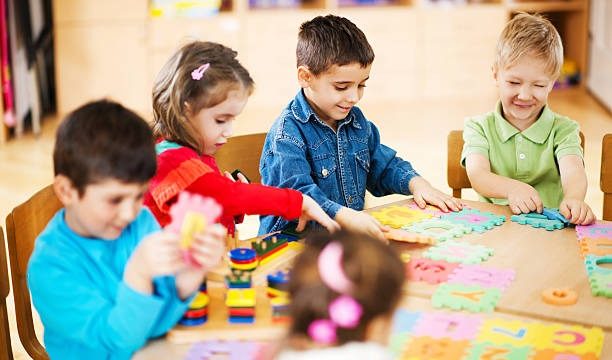
One of the most beautiful aspects of project-based learning is the way it fosters collaboration. Working together on a shared goal helps students develop communication and interpersonal skills. They learn to listen to different perspectives, negotiate ideas, and support one another through challenges. In a time when teamwork is essential in almost every field, these experiences can be invaluable.
Creating a supportive environment
To successfully engage students through real projects, it’s essential to create a supportive environment that encourages exploration and curiosity. This means allowing students to express their interests and passions, so they feel a sense of ownership over their work. A classroom that embraces creativity and experimentation can inspire students to take risks and think outside the box. When they feel safe to express themselves, they are more likely to dive into their projects with enthusiasm.
A small shift toward balance is often all it takes to create a thriving classroom culture. Instead of focusing solely on grades and tests, educators can emphasize the learning process. By valuing effort and creativity, students may feel more motivated to engage deeply with their projects. Celebrating milestones along the way, no matter how small, can also help maintain momentum and excitement.
Connecting with the community
Real projects can also bridge the gap between the classroom and the community. By partnering with local organizations, schools can provide students with opportunities to apply their skills in meaningful ways. Whether it’s working with a nonprofit to address community needs or collaborating with local businesses, these partnerships can enrich students’ experiences and provide a sense of purpose.
For example, students might design a marketing campaign for a local charity, allowing them to apply their knowledge of marketing principles while also giving back to their community. Such projects not only enhance learning but also instill a sense of civic responsibility and pride in students. They begin to see themselves as active participants in their communities, which can be a powerful motivator.
Fostering creativity and innovation
Engaging students through real projects often leads to the cultivation of creativity and innovation. When students are encouraged to think critically and explore various solutions to problems, they learn to approach challenges with an open mind. This creative process can be incredibly fulfilling, as students discover their unique talents and interests along the way.
Incorporating elements of design thinking into projects can further enhance this creative exploration. Design thinking encourages empathy, ideation, and experimentation, allowing students to develop solutions that truly resonate with their audience. As they iterate on their ideas and seek feedback, they gain valuable insights into the importance of perseverance and adaptability.
The joy of reflection
Reflection is a crucial aspect of learning, and real projects provide ample opportunities for students to engage in this practice. By reflecting on their experiences, students can gain deeper insights into what they have learned and how they have grown. This process not only reinforces their understanding of the subject matter but also encourages them to develop a growth mindset.
Teachers can facilitate reflection through discussions, journals, or presentations, allowing students to articulate their thoughts and feelings about their projects. These moments of introspection can be incredibly powerful, helping students recognize their strengths and areas for improvement. As they share their experiences with peers, they also learn from one another, creating a rich tapestry of learning.
Looking ahead
As we navigate the ever-evolving landscape of education, it’s important to remember that engagement is key to fostering a love for learning. Real projects offer a unique and effective way to connect students with their education, their community, and themselves. By tapping into their interests and passions, educators can create a vibrant learning environment that inspires curiosity and innovation.
As we look to the future, let’s embrace the power of real projects to engage students in meaningful ways. By nurturing their creativity, encouraging collaboration, and fostering a sense of community, we can help students not only excel academically but also develop into well-rounded individuals who are prepared to tackle the challenges of tomorrow. In doing so, we contribute to a more dynamic and connected society, where learning is not just an obligation but a joyful journey.