In today’s fast-paced world, children face a myriad of challenges that can sometimes feel overwhelming.
From navigating friendships to managing schoolwork, the complexities of childhood can create a sense of uncertainty.
This is where the role of counseling becomes invaluable, particularly in helping kids develop problem-solving skills.
By fostering a supportive environment, counselors can guide children through their challenges, equipping them with the tools they need to tackle obstacles with confidence.
Counseling offers a safe space for children to express their thoughts and feelings. Often, kids may feel that they cannot share their worries with family or friends. A counselor provides an understanding ear, allowing them to articulate their concerns without fear of judgment. This initial step is crucial; it lays the foundation for open communication, which is essential for effective problem-solving. When children feel heard, they are more likely to engage in discussions that lead to finding solutions.
As children explore their feelings in a counseling setting, they also learn to identify the root causes of their problems. This process encourages them to reflect on their experiences and understand the different factors at play. For instance, a child struggling with homework may realize that their anxiety stems from a fear of failure rather than the difficulty of the material itself. Through gentle guidance, a counselor can help them dissect their worries, allowing for a clearer view of the situation.
The art of problem-solving is not merely about finding the right answer; it’s about developing a mindset that embraces challenges. Counselors often introduce children to various strategies for approaching problems. They might encourage kids to brainstorm potential solutions, weigh the pros and cons, and consider the possible outcomes of each option. This practice not only empowers children to think critically but also nurtures their creativity. The more they practice these skills, the more adept they become at tackling new challenges.
One effective technique used in counseling is role-playing. By acting out different scenarios, children can explore their feelings and responses in a controlled environment. For example, if a child is struggling with a friend who is being unkind, they can practice how to respond assertively. This not only builds their confidence but also helps them visualize the potential outcomes of their actions. Through role-playing, kids learn that there are multiple ways to handle a situation, which can greatly enhance their problem-solving repertoire.
Building resilience is another key aspect of the counseling process. Life will inevitably present challenges, and equipping children with the ability to bounce back from setbacks is essential. Counselors can help kids understand that making mistakes is a natural part of learning. By reframing failures as opportunities for growth, children begin to see problems as manageable rather than insurmountable. This shift in perspective fosters a growth mindset, encouraging them to tackle future challenges with optimism.
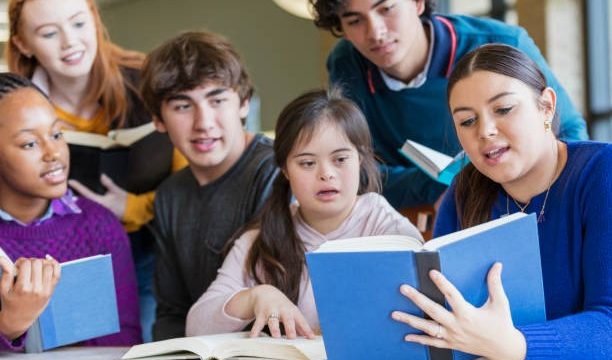
In addition to one-on-one sessions, group counseling can also be beneficial. Interacting with peers facing similar issues allows children to share their experiences and learn from one another. This communal approach can provide a sense of belonging and reassurance. They begin to realize that they are not alone in their struggles, which can be incredibly comforting. Moreover, hearing how others navigate their problems can inspire new strategies and solutions.
As children work through their challenges in counseling, they also learn the importance of seeking help when needed. This skill is vital not only during childhood but also throughout life. By understanding that it is okay to ask for assistance, kids grow into adults who are more likely to reach out for support in difficult times. This sense of community and connection is a beautiful takeaway from the counseling experience.
Parents play a crucial role in supporting their children’s journey in counseling. It’s essential for caregivers to remain involved and informed. Open dialogue about what the child is learning and experiencing can create a bridge between the counseling sessions and home life. When parents reinforce the skills their children are acquiring, it enhances the learning process. Simple conversations about problem-solving techniques or discussing hypothetical scenarios can help solidify these concepts.
Creating a nurturing environment at home is equally important. Encouraging children to express their feelings and thoughts without fear of reprimand fosters emotional intelligence. When kids feel safe sharing their worries, they are more likely to approach problems with a clear mind. Additionally, modeling effective problem-solving behaviors can leave a lasting impression. Parents who demonstrate patience and creativity when facing their own challenges provide a living example for their children to emulate.
Ultimately, counseling serves as a powerful tool in helping children develop essential problem-solving skills. By creating a safe space for exploration, encouraging resilience, and promoting open communication, counselors guide children toward a brighter future. The skills learned in this supportive environment extend far beyond childhood, shaping how they navigate challenges throughout their lives.
As we continue to prioritize mental health and emotional well-being, it’s vital to recognize the profound impact that counseling can have on young minds. By investing in their ability to solve problems, we are not only helping them cope with immediate challenges but also preparing them for the complexities of adulthood. Together, we can foster a generation of resilient, thoughtful individuals who approach life’s hurdles with confidence and creativity.