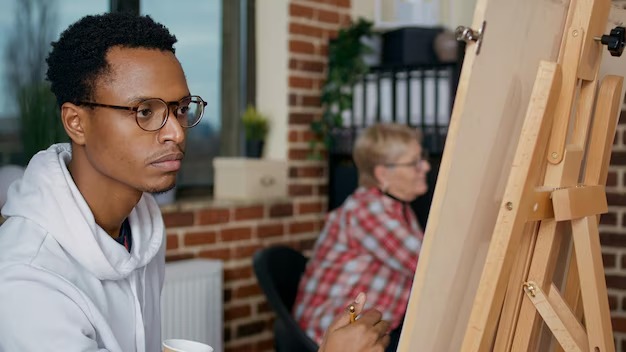
In today’s fast-paced world, the ability to collaborate effectively within a team is more important than ever.
Whether you’re working in a bustling office environment, a creative studio, or even a remote setting, the dynamics of teamwork can significantly influence productivity and overall satisfaction.
While many people focus on technical skills to advance their careers, there are lifelong skills that can enhance collaboration and foster a more harmonious work atmosphere.
The power of communication
At the heart of any successful team lies effective communication. It’s not just about speaking clearly; it’s about fostering an environment where everyone feels comfortable sharing their thoughts and ideas. Active listening plays a crucial role in this process. When team members genuinely listen to one another, they create a space for open dialogue, allowing for a richer exchange of ideas. This practice not only builds trust but also encourages innovation and creativity.
Consider making a conscious effort to practice active listening. Instead of thinking about your response while someone else is speaking, try to fully absorb what they’re saying. Reflecting back on their words can help clarify misunderstandings and demonstrate that you value their input. This small shift can lead to profound improvements in team dynamics.
Cultivating empathy
Empathy is another cornerstone of effective collaboration. Understanding the feelings and perspectives of your teammates can create a more inclusive and supportive environment. When individuals feel understood, they are more likely to contribute openly and authentically. Empathy allows us to connect on a human level, breaking down barriers and fostering strong relationships.
To cultivate empathy, try to engage with your colleagues on a personal level. Ask about their experiences, and share your own. This exchange can build rapport and create a sense of belonging within the team. Additionally, practicing empathy can help you navigate conflicts more gracefully, as it encourages a focus on understanding rather than merely winning an argument.
Flexibility and adaptability
In any collaborative setting, change is inevitable. Projects evolve, deadlines shift, and unexpected challenges arise. Being flexible and adaptable is essential for maintaining harmony within a team. Embracing change with a positive attitude can inspire others to do the same, creating a resilient team culture.
To nurture adaptability, consider stepping out of your comfort zone and trying new approaches. This could mean volunteering for different roles within a project or experimenting with new tools and technologies. By demonstrating a willingness to embrace the unknown, you encourage your teammates to follow suit, fostering a sense of collective growth and exploration.
Building trust
Trust is the glue that holds teams together. When team members trust one another, they can communicate more openly, share ideas without fear of criticism, and support each other in achieving common goals. Building trust takes time, but it can be cultivated through consistency, transparency, and accountability.
One way to build trust is by being reliable. Follow through on your commitments and be transparent about your progress on tasks. When challenges arise, communicate openly about them rather than hiding them away. This honesty can strengthen bonds and encourage others to do the same, creating a culture of trustworthiness.
Fostering a positive attitude
A positive attitude can be contagious. When team members approach challenges with optimism and enthusiasm, it can uplift the entire group. A positive environment not only enhances morale but can also lead to increased creativity and productivity.
To cultivate a positive atmosphere, celebrate small wins and acknowledge each other’s contributions. A simple “thank you” or recognition of effort can make a significant difference in how team members feel. Small gestures of appreciation can have a ripple effect, encouraging a culture of gratitude and support.
Conflict resolution skills
Disagreements are a natural part of any collaborative effort. However, how a team navigates conflict can significantly impact its overall effectiveness. Developing conflict resolution skills can turn potential disagreements into opportunities for growth.
Approach conflicts with a mindset of curiosity rather than confrontation. Instead of viewing disagreements as obstacles, see them as chances to explore different perspectives. Encouraging open discussions about differing opinions can lead to innovative solutions and a deeper understanding of one another.
Creating a culture of feedback
Feedback is a vital component of personal and team growth. Embracing a culture of constructive feedback can help individuals improve and align their efforts with team goals. When feedback is given in a supportive manner, it can enhance collaboration and drive success.
To foster a feedback-rich environment, encourage regular check-ins and discussions about performance. Focus on specific behaviors rather than personal attributes, and frame feedback in a way that promotes growth. This approach can help team members feel more comfortable giving and receiving feedback, leading to continuous improvement.
Nurturing resilience
Resilience is the ability to bounce back from setbacks and adapt to challenges. In a team setting, resilience can be a collective strength that enables members to support one another during tough times. Fostering resilience within a team can create a sense of unity and shared purpose.
Encourage open conversations about challenges and setbacks, and celebrate the lessons learned from them. By sharing experiences and strategies for overcoming obstacles, you can create a culture where resilience thrives. This mindset not only benefits individual team members but also enhances the overall team dynamic.
Creating a sense of belonging
Ultimately, fostering collaboration is about creating a sense of belonging within the team. When individuals feel valued and connected, they are more likely to contribute wholeheartedly to the group’s success.
To cultivate a sense of belonging, prioritize inclusivity in all team interactions. Encourage diverse perspectives and ensure that every voice is heard. Creating opportunities for team bonding, whether through social activities or collaborative projects, can also strengthen relationships and enhance the overall team experience.
In conclusion, the journey toward effective team collaboration is an ongoing process that requires mindfulness and dedication. By cultivating skills such as communication, empathy, flexibility, and trust, you can create a collaborative environment that thrives on mutual support and shared goals. Embracing these lifelong skills not only enhances teamwork but also enriches your personal and professional life, creating a more fulfilling experience for everyone involved.