Communication is an essential part of our daily lives.
Whether we’re engaging in casual conversations with friends, presenting ideas at work, or navigating relationships, the way we communicate shapes our experiences and connections.
Listening, often overshadowed by the act of speaking, is equally important.
Cultivating lifelong skills in both communication and listening can enhance our interactions and foster deeper relationships, leading to a more fulfilling life.
A small shift toward balance
To enhance communication, it’s helpful to start with self-awareness. Understanding our own communication styles can lead to more authentic interactions. Some individuals are naturally more expressive, while others may be more reserved. Recognizing your tendencies allows you to adapt your approach based on the context and the people involved. This awareness encourages empathy, making it easier to connect with others on a meaningful level.
Practicing mindfulness can also be a game-changer in improving communication. When we are fully present in a conversation, we can respond more thoughtfully. Mindfulness encourages us to focus on the person speaking, rather than preparing our response while they talk. This simple shift can transform the quality of our interactions, allowing for a deeper exchange of ideas and feelings.
The art of active listening
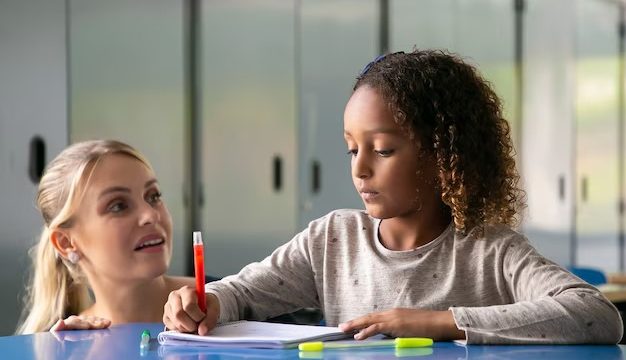
Listening is often considered a passive activity, but it requires skill and intention. Active listening involves fully engaging with the speaker, demonstrating that we value their words. This can be achieved through various techniques, such as nodding, maintaining eye contact, and providing verbal affirmations like “I see” or “That’s interesting.” These small gestures show that we are present and invested in the conversation.
Another crucial aspect of active listening is asking open-ended questions. Instead of leading the conversation toward our own experiences, we can encourage others to share more about their thoughts and feelings. Questions like “How did that make you feel?” or “What do you think about that?” invite deeper dialogue and can lead to more meaningful connections.
Embracing vulnerability
To enhance communication and listening, embracing vulnerability can be incredibly powerful. When we allow ourselves to be open and honest, we create an environment where others feel safe to do the same. Sharing our thoughts, feelings, and even uncertainties encourages authenticity, making conversations richer and more rewarding.
Vulnerability can also be a bridge to empathy. When we express our own experiences, we invite others to share theirs, fostering a sense of understanding and connection. This mutual exchange can deepen relationships, as both parties feel heard and valued.
Cultivating emotional intelligence
Emotional intelligence is the ability to recognize, understand, and manage our own emotions while also being aware of the emotions of others. Developing this skill can significantly enhance our communication. When we are attuned to our feelings, we can express ourselves more clearly and navigate conversations with greater sensitivity.
Moreover, being aware of others’ emotions allows us to respond appropriately. For instance, if a friend is upset, recognizing their emotional state can guide us in offering support rather than inadvertently dismissing their feelings. Cultivating emotional intelligence not only improves our communication but also strengthens our relationships, as we learn to connect on a deeper emotional level.
Navigating conflicts with grace
Conflict is a natural part of any relationship, but how we handle it can make all the difference. Developing effective communication skills can help us navigate disagreements with grace. Instead of resorting to defensiveness or aggression, we can approach conflicts with a mindset of collaboration.
Using “I” statements can be particularly effective in expressing our feelings without placing blame. For example, saying “I feel frustrated when…” rather than “You always do this…” can lead to a more constructive conversation. This technique encourages open dialogue and reduces defensiveness, paving the way for resolution.
Additionally, taking a moment to breathe and collect our thoughts before responding can prevent escalation. This pause allows us to approach the situation with a clearer mind, enabling us to communicate our needs without letting emotions dictate our responses.
The power of nonverbal communication
While words are an essential part of communication, nonverbal cues often speak louder than what we say. Our body language, facial expressions, and tone of voice convey emotions and intentions that can enhance or detract from our messages. Being mindful of these nonverbal signals can significantly improve our interactions.
For instance, leaning slightly forward during a conversation can signal interest and engagement, while crossing our arms may convey defensiveness or disinterest. By aligning our nonverbal cues with our verbal messages, we can create a more cohesive and authentic communication experience.
Building a community of support
As we work on enhancing our communication and listening skills, it’s beneficial to surround ourselves with supportive individuals. Engaging with a community that values open dialogue and mutual respect can encourage us to practice these skills more consistently. Whether it’s joining a book club, participating in workshops, or simply spending time with friends who prioritize meaningful conversations, being part of a supportive network can reinforce our growth.
Sharing our experiences and learning from others can also provide valuable insights into different communication styles. Each interaction is an opportunity to learn and adapt, enriching our understanding of ourselves and those around us.
The journey of lifelong learning
Improving communication and listening skills is a lifelong journey. Just as we cultivate other aspects of our well-being, such as physical health or mindfulness, we can continually work on our communication abilities. This journey requires patience and practice, but the rewards are profound.
As we enhance our skills, we create more fulfilling relationships, foster deeper connections, and contribute to a more compassionate world. By embracing self-awareness, active listening, vulnerability, emotional intelligence, and community support, we can navigate our interactions with grace and authenticity.
In the end, the essence of communication lies in the connections we forge with others. By investing in these lifelong skills, we not only enrich our own lives but also contribute to the tapestry of human experience, weaving together stories, feelings, and understanding.