In our rapidly evolving world, the landscape of education is undergoing a transformative shift.
Classrooms, once seen as static environments filled with rows of desks and chalkboards, are becoming vibrant spaces of innovation and creativity.
This change is not just about technology or new teaching methods; it’s about fostering a dynamic atmosphere that encourages students to engage, explore, and thrive.
As we delve into the various ways to make classrooms more dynamic through innovation, we will discover how these approaches can cultivate a love for learning that lasts a lifetime.
Creating an inviting atmosphere is a fundamental step in transforming a traditional classroom into a dynamic learning environment. The physical space plays a significant role in how students feel and interact with their surroundings. A classroom filled with natural light, colorful displays, and flexible seating arrangements can inspire creativity and collaboration. By incorporating elements such as plants, artwork, and comfortable furniture, educators can create a warm and welcoming space that invites students to immerse themselves in their learning journey.
In addition to the physical environment, the use of technology is reshaping how educators connect with their students. Interactive tools like smartboards, tablets, and educational apps not only enhance engagement but also cater to various learning styles. For instance, visual learners can benefit from videos and interactive presentations, while kinesthetic learners can engage with hands-on activities and simulations. By integrating technology thoughtfully, teachers can create a more personalized learning experience that resonates with each student.
Another vital aspect of innovation in the classroom is the shift towards collaborative learning. Instead of traditional lectures, educators are embracing group projects and peer-to-peer learning. This approach encourages students to work together, share ideas, and develop essential social skills. By fostering a sense of community, students learn to value diverse perspectives and become more open-minded individuals. Collaboration also allows for the cultivation of critical thinking skills, as students are challenged to solve problems together and think outside the box.
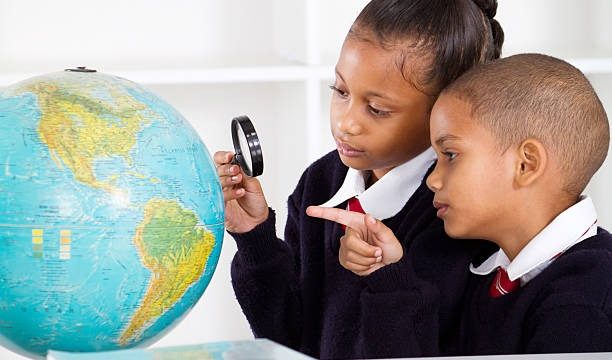
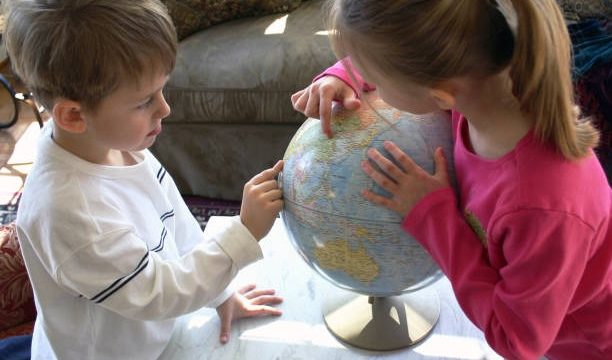
A gentle shift toward inquiry-based learning can further enhance the dynamism of classrooms. This method encourages students to ask questions, conduct research, and discover answers on their own. By fostering a sense of curiosity, educators can ignite a passion for learning that goes beyond the confines of the classroom. Inquiry-based learning empowers students to take ownership of their education, allowing them to explore topics that genuinely interest them. This autonomy not only boosts motivation but also cultivates lifelong learners who are eager to continue their education beyond formal schooling.
Incorporating real-world experiences into the curriculum is another innovative approach that can make classrooms more dynamic. Field trips, guest speakers, and community projects provide students with opportunities to connect their learning to the outside world. These experiences not only enrich the curriculum but also help students understand the relevance of what they are learning. When students can see the practical applications of their studies, they are more likely to engage fully and retain information.
Moreover, integrating social-emotional learning (SEL) into the classroom can significantly enhance the overall learning experience. SEL focuses on developing students’ emotional intelligence, resilience, and interpersonal skills. By creating a safe space for students to express their feelings and learn about empathy, educators can promote a positive classroom culture. This holistic approach not only benefits individual students but also fosters a supportive community where everyone feels valued and understood.
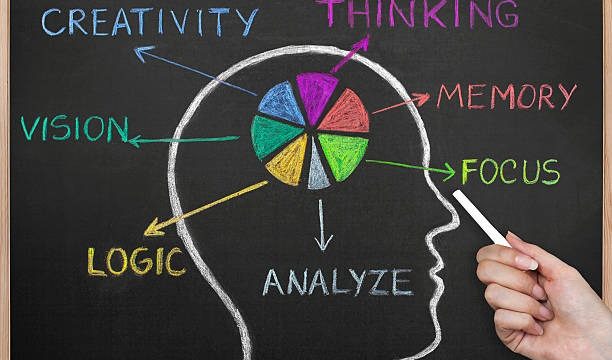
A small shift toward balance can also be achieved through mindfulness practices in the classroom. Incorporating moments of reflection, meditation, or simple breathing exercises can help students manage stress and enhance focus. These practices encourage a calm and centered mindset, allowing students to approach their learning with clarity and intention. By prioritizing mental well-being alongside academic achievement, educators can create a more balanced and harmonious learning environment.
As we explore the concept of dynamic classrooms, it’s essential to recognize the role of educators in this transformation. Teachers are not merely transmitters of knowledge; they are facilitators of learning experiences. By embracing innovative teaching methods and remaining open to new ideas, educators can inspire their students to reach their full potential. Continuous professional development and collaboration among teachers can further enhance this dynamic environment, as educators share best practices and support one another in their growth.
Involving parents and the broader community in the educational process is another vital component of creating a dynamic classroom. When families are engaged in their children’s learning, students are more likely to feel supported and motivated. Schools can foster this connection by hosting events, workshops, and open houses that invite parents to participate in the educational journey. By building strong partnerships with families, educators can create a collaborative network that enhances the overall learning experience.
Ultimately, making classrooms more dynamic through innovation is about nurturing a love for learning that transcends the walls of the classroom. By creating inviting spaces, embracing technology, promoting collaboration, and integrating real-world experiences, educators can cultivate an environment where students thrive. As we continue to evolve and adapt to the changing needs of students, let us remember that the heart of education lies in fostering curiosity, creativity, and connection. With these values at the forefront, we can inspire the next generation of learners to explore, innovate, and shape the world around them.