In today’s fast-paced and ever-evolving educational landscape, the notion of personalized learning has emerged as a beacon of hope for educators and students alike.
This approach recognizes that every learner is unique, with individual strengths, challenges, and interests.
As educators strive to create meaningful and effective learning experiences, they are increasingly turning to personalization as a way to foster deeper understanding and engagement.
At its core, personalized learning is about tailoring education to meet the diverse needs of students. This can take many forms, from adapting teaching styles to incorporating technology that allows for self-paced learning. By shifting the focus from a one-size-fits-all model to a more customized approach, educators can create an environment where students feel valued and understood.
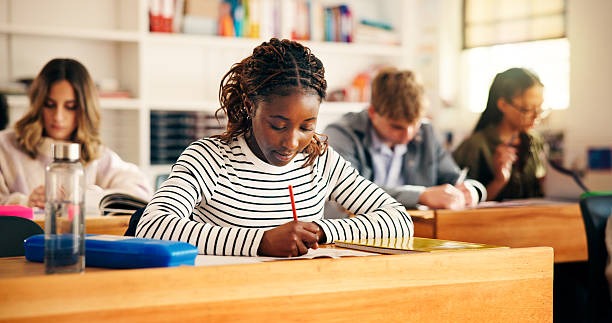
Understanding the learner is a vital first step in this journey. Educators are increasingly taking the time to get to know their students, not just academically, but personally as well. By building relationships and understanding each student’s background, interests, and learning styles, teachers can better tailor their approach. This connection fosters a sense of trust and community in the classroom, encouraging students to engage more fully in their learning.
As educators delve deeper into the world of personalized learning, they often discover the power of technology. Digital tools and resources can play a significant role in creating customized learning experiences. For instance, adaptive learning platforms can assess a student’s knowledge and skills in real-time, adjusting the content to match their pace and level of understanding. This flexibility allows students to take ownership of their learning, developing confidence and independence along the way.
A small shift toward balance can also be found in the way educators design their curricula. Instead of rigidly adhering to a predetermined syllabus, many are embracing a more fluid approach. This might involve integrating project-based learning, where students can explore topics that resonate with them, or offering choices in assignments that allow for creativity and personal expression. By providing opportunities for students to pursue their passions, educators can inspire a love of learning that extends beyond the classroom.
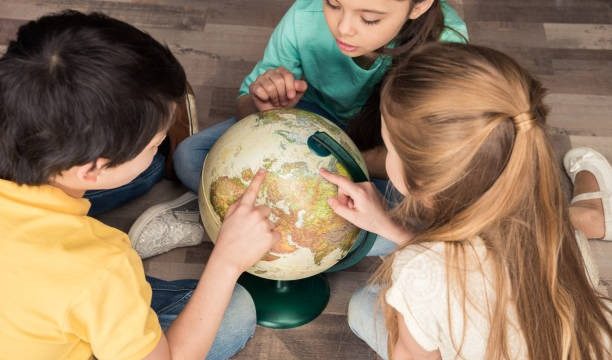
Collaboration is another essential element of personalized learning. Educators often work together to share insights and strategies, creating a supportive network that fosters innovation. This collaborative spirit can extend to students as well, encouraging them to work together on projects and learn from one another. By fostering a sense of community, educators can help students develop essential social skills while also enhancing their learning experiences.
Moreover, feedback plays a crucial role in personalized learning. Educators are increasingly focused on providing timely and constructive feedback, allowing students to reflect on their progress and make adjustments as needed. This ongoing dialogue not only helps students improve their understanding but also empowers them to take an active role in their learning journey. When students feel supported and guided, they are more likely to engage deeply with the material and take risks in their learning.
While technology and innovative teaching methods are valuable tools, the heart of personalized learning lies in empathy and understanding. Educators who approach their work with compassion can create an atmosphere where students feel safe to express themselves and explore their interests. This emotional connection is fundamental to fostering resilience and a growth mindset, qualities that are essential for lifelong learning.
As personalized learning continues to evolve, educators are finding creative ways to incorporate various learning modalities. Recognizing that students absorb information differently, many educators are integrating visual, auditory, and kinesthetic learning experiences into their lessons. This holistic approach not only caters to diverse learning styles but also keeps students engaged and enthusiastic about their education.
In addition to adapting content and delivery, educators are also focusing on the importance of fostering self-regulation skills in their students. Teaching students to set goals, monitor their progress, and reflect on their learning is a vital aspect of personalized education. By equipping students with these skills, educators are preparing them for success not only in school but also in their future endeavors.
As the educational landscape continues to shift, the commitment to personalized learning remains steadfast. Educators are consistently seeking ways to refine their practices, staying open to new ideas and approaches that can enhance the learning experience. This dedication not only benefits students but also enriches the teaching profession, creating a dynamic environment in which everyone can grow.
Ultimately, the journey toward personalized learning is a shared one, involving students, educators, families, and communities. By working together to create a supportive and responsive educational environment, we can nurture a generation of learners who are not only knowledgeable but also passionate and engaged. The beauty of personalized learning lies in its ability to recognize and celebrate the individuality of each student, paving the way for a brighter and more inclusive future in education.
In conclusion, the personalization of learning experiences is not just a trend; it is a transformative movement that seeks to honor the unique paths of every learner. Through understanding, empathy, and innovative practices, educators are crafting a rich tapestry of learning that empowers students to thrive. As this approach continues to unfold, it holds the promise of creating lifelong learners who are equipped to navigate the complexities of the world with confidence and curiosity.