In the ever-evolving landscape of education, the modern classroom is becoming a sanctuary of inspiration, creativity, and engagement.
Gone are the days when desks were lined up in rigid rows, and learning was a one-way street.
Today, educators are embracing practices that not only impart knowledge but also nurture the whole student—mind, body, and spirit.
With a focus on collaboration, technology, and emotional well-being, modern classrooms are designed to inspire students to reach their full potential.
A gentle approach to collaboration
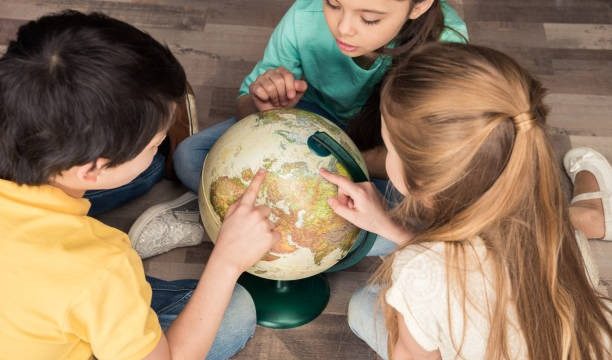
One of the most significant shifts in educational practice is the emphasis on collaboration among students. Classrooms are increasingly designed to foster teamwork, with seating arrangements that encourage group work and discussions. This collaborative spirit allows students to share ideas, challenge one another, and build on their collective knowledge. When students work together, they learn valuable social skills that extend beyond academics, such as communication, empathy, and problem-solving.
Teachers play a crucial role in guiding these collaborations. By creating a safe and inclusive environment, they invite students to express their thoughts and opinions freely. This sense of belonging is vital in helping students feel valued and heard. When students know their contributions matter, their motivation to engage and learn increases significantly.
Integrating technology for a richer experience
Technology has become an integral part of modern education, transforming the way students interact with information. In the contemporary classroom, digital tools and resources are seamlessly woven into the fabric of learning. From interactive whiteboards to online collaboration platforms, technology is not merely a supplement but a catalyst for creativity and exploration.
With access to a world of information at their fingertips, students are encouraged to take charge of their learning. They can delve into topics that pique their interest, conduct research, and even create multimedia projects that showcase their understanding. This autonomy fosters a sense of ownership over their education, making the learning experience more personal and meaningful.
Moreover, technology can bridge gaps in understanding. Educators can use various digital resources to cater to different learning styles, ensuring that every student has the opportunity to thrive. Whether through video tutorials, interactive simulations, or virtual field trips, technology opens doors to new possibilities and expands horizons.
Cultivating emotional intelligence
In today’s fast-paced world, emotional intelligence is more essential than ever. Modern classrooms are increasingly recognizing the importance of social and emotional learning (SEL) as a core component of education. By integrating SEL into their curriculum, teachers help students develop skills like self-awareness, self-regulation, and relationship-building.
Incorporating mindfulness practices into the daily routine is one way educators are promoting emotional well-being. Simple techniques such as deep breathing exercises or short moments of silence can help students center themselves and focus on the task at hand. These practices not only reduce stress but also enhance concentration and overall classroom atmosphere.
Additionally, discussions around emotions and mental health are becoming more commonplace. Teachers are encouraged to create an open dialogue where students can express their feelings and experiences. This vulnerability fosters a culture of trust, helping students feel safe in sharing their challenges and triumphs.
Personalizing learning experiences
Recognizing that every student is unique, modern classrooms are increasingly adopting personalized learning approaches. This philosophy acknowledges that students have different strengths, weaknesses, and learning paces. By tailoring instruction to meet individual needs, educators can create a more effective and engaging learning environment.
Teachers might use assessments to identify students’ interests and learning styles, allowing them to adapt lessons accordingly. This could mean offering various project options or allowing students to pursue topics that resonate with them personally. When students feel their individual preferences are respected, they are more likely to engage deeply with the material.
Creating a flexible learning environment
Flexibility is a hallmark of modern classroom practices. Traditional classroom setups are giving way to more fluid environments that accommodate diverse learning activities. Students might move between collaborative group work, independent study, and hands-on projects throughout the day. This dynamic atmosphere keeps energy levels high and encourages active participation.
Flexible learning spaces can also include areas for quiet reflection or creative exploration. By providing different settings, educators allow students to choose where they feel most comfortable working. This autonomy can enhance focus and productivity, leading to a more fulfilling learning experience.
Encouraging a growth mindset
A growth mindset is a belief that abilities and intelligence can be developed through dedication and hard work. This perspective is increasingly being instilled in students within modern classrooms. Educators encourage students to embrace challenges, learn from mistakes, and view setbacks as opportunities for growth.
By celebrating effort and resilience rather than just achievement, teachers help students build confidence in their abilities. This shift in focus fosters a love of learning that extends beyond the classroom. Students are encouraged to pursue their passions and interests, knowing that persistence and effort will lead to improvement.
Fostering connections with the community
The modern classroom is not isolated; it is part of a broader community. Educators are recognizing the value of connecting students with local organizations, businesses, and individuals. These partnerships provide students with real-world experiences that enrich their learning.
Field trips, guest speakers, and community service projects are just a few ways to bridge the gap between classroom learning and the outside world. Engaging with the community not only enhances academic understanding but also cultivates a sense of responsibility and civic engagement among students.
As we continue to navigate the complexities of education in the 21st century, it is clear that modern classroom practices are paving the way for a more inspiring and holistic learning experience. By prioritizing collaboration, technology, emotional intelligence, personalization, flexibility, a growth mindset, and community connections, educators are nurturing the next generation of thinkers, creators, and leaders.
In this ever-changing educational landscape, one thing remains constant: the desire to inspire students to dream big, think critically, and embrace the beauty of lifelong learning. With these modern practices, classrooms are becoming places of wonder and exploration, nurturing not just students, but the future itself.