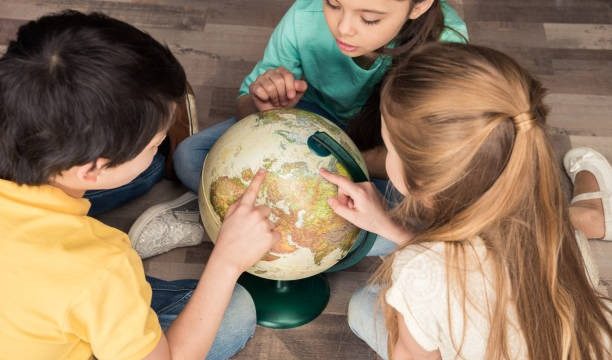
In today’s ever-evolving educational landscape, the traditional methods of teaching are being reimagined to foster a more engaging and effective learning environment.
Creative classroom approaches are at the forefront of this transformation, offering students not just knowledge, but an enriching experience that nurtures their curiosity, creativity, and critical thinking.
The essence of these methods lies in their ability to connect with students on a personal level, making learning feel relevant and exciting.
One of the most heartwarming aspects of creative classroom approaches is their emphasis on collaboration. When students work together on projects or engage in group discussions, they learn to value diverse perspectives. This collaborative spirit not only enhances their social skills but also encourages a sense of community within the classroom. By sharing ideas and experiences, students develop a deeper understanding of the subject matter while building relationships that can last a lifetime.
Incorporating art into the curriculum is another delightful way to spark creativity and engagement. Whether it’s through drawing, music, or drama, artistic expression allows students to interpret concepts in ways that resonate with them personally. For example, a history lesson can come alive through a theatrical reenactment, while a science project might take on new dimensions when students create visual representations of their findings. This integration of art not only makes learning more enjoyable but also helps to reinforce the material in a memorable way.
A shift toward experiential learning is also gaining momentum in classrooms around the world. This hands-on approach encourages students to immerse themselves in real-world experiences rather than passively absorbing information. Field trips, community service projects, and internships are just a few examples of how experiential learning can take shape. These opportunities allow students to apply what they’ve learned in the classroom to practical situations, fostering a sense of responsibility and enhancing their problem-solving skills.
Another gentle yet powerful approach is the use of technology to enhance learning. In today’s digital age, technology can serve as a bridge to creativity and innovation. Interactive tools and educational software can transform traditional lessons into dynamic experiences. For instance, virtual reality can transport students to ancient civilizations, while coding programs can inspire them to create their own video games. By embracing technology, educators can cater to various learning styles, making lessons accessible and engaging for all students.
Creating a positive classroom culture is also essential for fostering better learning outcomes. When students feel safe, respected, and valued, they are more likely to participate actively and take risks in their learning. Teachers can cultivate this environment by promoting open communication, encouraging self-expression, and celebrating individual achievements. Simple gestures, such as acknowledging a student’s effort or fostering a supportive atmosphere, can significantly impact a child’s confidence and motivation.
Mindfulness practices are another enriching addition to the classroom experience. Incorporating moments of mindfulness can help students manage stress and improve focus. Activities like guided meditation, breathing exercises, or even quiet reflection time can create a calming space where students can recharge. This small shift toward balance can enhance their overall well-being, allowing them to engage more fully in their learning.
In addition to these innovative strategies, educators are also recognizing the importance of personalized learning. Every student is unique, with distinct strengths, interests, and challenges. By tailoring lessons to meet individual needs, teachers can create a more inclusive environment that fosters growth and development. This might involve offering different pathways to mastering a concept or providing additional resources for students who may need extra support. When students feel that their learning journey is personalized, they are more likely to be invested and motivated.
Encouraging curiosity is at the heart of creative classroom approaches. When students are given the freedom to explore their interests and ask questions, they become active participants in their education. Teachers can nurture this curiosity by allowing for inquiry-based learning, where students investigate topics that intrigue them. This process not only deepens their understanding but also ignites a lifelong love of learning.
As we reflect on these creative classroom approaches, it’s clear that they offer a refreshing perspective on education. By fostering collaboration, integrating art, embracing technology, and promoting mindfulness, we can create an environment where students thrive. These methods not only enhance academic achievement but also cultivate well-rounded individuals who are prepared to navigate the complexities of the world.
Ultimately, the goal of education is not just to impart knowledge but to inspire and empower students to reach their full potential. By embracing creative approaches, we can transform classrooms into vibrant spaces of exploration and discovery. The journey of learning can be a beautiful adventure, one that shapes not only the minds of students but also their hearts and souls.
In this ever-changing world, let us continue to champion these creative methods, ensuring that the classroom remains a place of inspiration, connection, and growth. Together, we can foster a generation of learners who are not only knowledgeable but also compassionate, curious, and ready to make a positive impact on the world.