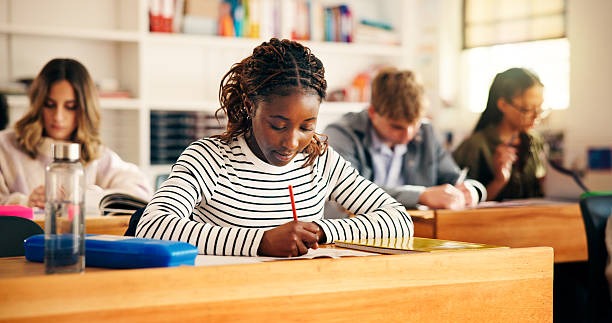
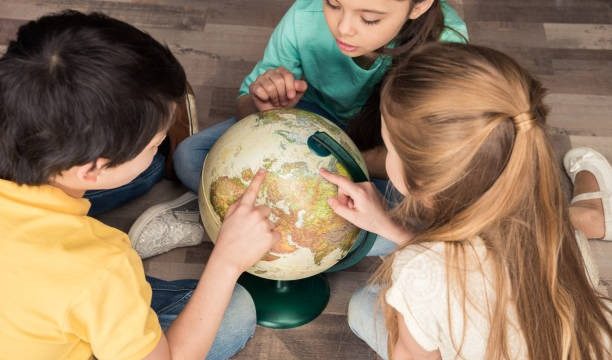
In an increasingly interconnected world, the importance of collaboration and shared goals among students cannot be overstated.
Whether in a classroom, a study group, or an online community, tools that foster connection and teamwork are invaluable.
They create environments where students not only learn from each other but also grow together, developing essential social and emotional skills along the way.
A small shift toward balance
When students come together with a common purpose, the experience can be transformative. It’s not just about academic achievement; it’s about building relationships and learning to navigate the complexities of group dynamics. Tools that facilitate this collaboration can take many forms, from digital platforms to physical spaces, each offering unique benefits that can help students align their efforts and aspirations.
Consider the rise of collaborative online platforms. Tools like Google Workspace and Microsoft Teams have revolutionized the way students work together, allowing them to share documents, brainstorm ideas, and communicate in real-time, regardless of their physical location. These platforms enable students to engage in meaningful dialogue, fostering a sense of community that can sometimes be elusive in traditional educational settings.
The beauty of these tools lies in their ability to support diverse learning styles. Some students thrive in visual environments, while others prefer textual communication. By offering various ways to engage, these platforms ensure that every voice is heard and valued. This inclusivity can lead to more innovative solutions to problems, as students build on each other’s strengths and perspectives.
Creating a sense of community
In addition to digital tools, there are also physical spaces that encourage collaboration. Study lounges, libraries, and community centers can serve as hubs where students gather to work on projects together. These environments not only provide resources but also foster social interaction, allowing students to form bonds that enhance their educational experience.
Group study sessions, for instance, can be incredibly effective. When students come together to tackle challenging subjects, they often find that their understanding deepens through discussion and shared insights. This collaborative approach can alleviate feelings of isolation that sometimes accompany academic challenges. In these moments, students learn that they are not alone in their struggles; they are part of a larger community working toward the same goals.
The role of mentorship in collaboration
Another powerful tool for bringing students together is mentorship. When experienced students or educators step in to guide a group, they can help to clarify objectives, mediate discussions, and keep everyone focused on shared goals. Mentorship creates a supportive atmosphere where students feel encouraged to share their thoughts and ideas without fear of judgment.
This dynamic not only benefits the mentees but also enriches the mentors’ experience. By engaging with younger students, mentors reinforce their own knowledge and skills while developing leadership qualities. This reciprocal relationship fosters a culture of collaboration that extends beyond individual goals, creating a sense of belonging and mutual support within the student community.
Mindfulness and emotional intelligence
As students collaborate, it’s important to remember the value of emotional intelligence and mindfulness in these interactions. Tools that promote self-awareness, empathy, and effective communication can enhance group dynamics significantly. Programs that incorporate mindfulness practices, such as guided meditation or reflective journaling, can help students manage stress and cultivate a positive mindset.
When students practice mindfulness, they become more attuned to their own emotions and those of their peers. This awareness can lead to more compassionate interactions and a greater willingness to support each other. By integrating these practices into group work, students can create a more harmonious environment that encourages open dialogue and understanding.
Fostering a culture of inclusivity
Inclusivity is another critical component of effective collaboration. Tools that promote diversity and equity among students can make a substantial difference in how groups function. Platforms that allow for anonymous feedback or suggestions can empower students who may feel hesitant to voice their opinions.
Additionally, educators can play a pivotal role in fostering an inclusive atmosphere. By encouraging diverse perspectives and actively seeking input from all students, teachers can help to create a culture where everyone feels valued. This commitment to inclusivity not only enhances collaboration but also enriches the learning experience, as students are exposed to a broader range of ideas and viewpoints.
The joy of shared achievement
As students work together toward shared goals, there is a unique joy that comes from collective achievement. Celebrating milestones, no matter how small, can reinforce the bonds formed during collaboration. Whether it’s completing a project, acing an exam, or simply overcoming a challenge together, these moments of success can be a source of motivation and inspiration for future endeavors.
In this way, the tools that bring students together are more than just functional; they are the threads that weave a tapestry of connection and community. When students unite around shared objectives, they not only enhance their academic experience but also cultivate friendships and build a foundation for future collaboration.
Looking ahead
As we look to the future, the importance of collaboration in education will only continue to grow. With the rise of technology and the increasing emphasis on social-emotional learning, the tools available to students are likely to evolve even further. By embracing these tools and fostering a culture of collaboration, we can help students not only achieve their academic goals but also develop the skills they need to thrive in an interconnected world.
In conclusion, the journey toward shared goals is a beautiful one, filled with opportunities for connection, growth, and learning. The tools that facilitate this journey are essential, but it is the relationships built along the way that truly enrich the experience. By coming together, students can create a supportive community that celebrates each other’s successes and nurtures their collective aspirations. In this shared space, the possibilities are endless.