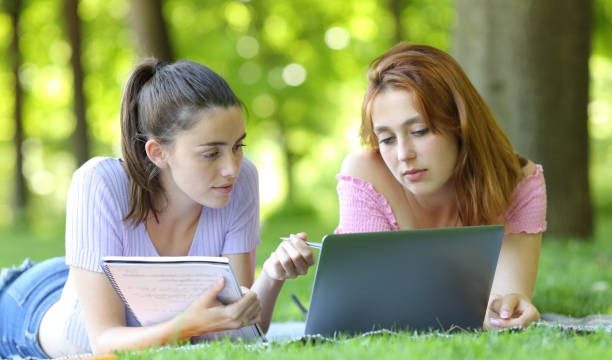
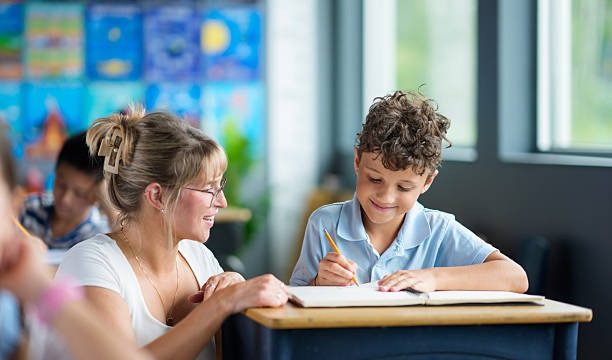
In the evolving landscape of education, the concept of student-centered classrooms has emerged as a beacon of hope for fostering engaged, independent learners.
This approach emphasizes the importance of placing students at the heart of the learning process, allowing them to take ownership of their education.
As educators strive to create environments that nurture curiosity and collaboration, a variety of tools and resources are available to support this vision.
Creating an atmosphere where students feel valued and empowered begins with the right tools. Technology, in particular, has transformed the way educators connect with students, offering innovative solutions that encourage participation and personalize learning experiences.
A gentle shift toward engagement
One of the most effective tools for promoting a student-centered classroom is interactive technology. Platforms like Google Classroom and Microsoft Teams facilitate communication between educators and students, creating a space where ideas can flow freely. These digital environments allow for collaborative projects, discussions, and peer feedback, helping students feel more connected to their learning community. When students can easily share their thoughts and work together, they are more likely to engage deeply with the material and with each other.
In addition to fostering communication, educational apps and programs can personalize the learning experience. Tools like Kahoot! and Quizlet make learning fun and interactive, encouraging students to participate actively. These platforms allow educators to create quizzes and games tailored to their curriculum, which can be particularly effective for reinforcing concepts in a playful manner. By integrating these tools, teachers can cater to different learning styles and ensure that every student has the opportunity to thrive.
Cultivating creativity and critical thinking
Artistic expression and problem-solving are vital components of a well-rounded education. Tools that encourage creativity can help students explore their interests and develop critical thinking skills. Digital storytelling platforms, such as Storybird and Adobe Spark, enable students to create their own narratives, allowing them to express their thoughts and ideas visually. This not only enhances their understanding of the subject matter but also fosters a sense of ownership over their learning journey.
Moreover, coding platforms like Scratch and Tynker introduce students to the world of programming in a fun and engaging way. By allowing students to create their own games and animations, these tools promote logical thinking and creativity simultaneously. When students are given the freedom to experiment and innovate, they develop a deeper understanding of problem-solving and collaboration.
A nurturing space for collaboration
Collaboration is at the heart of a student-centered classroom. Tools that foster teamwork and communication can enhance this experience. Digital whiteboards, such as Jamboard or Miro, create virtual spaces where students can brainstorm and share ideas in real time. These platforms encourage students to work together, allowing them to visualize their thoughts and contribute to group projects in a way that feels inclusive and supportive.
In addition, video conferencing tools like Zoom or Google Meet have become essential for connecting students, especially in a world where remote learning has become more prevalent. These platforms allow students to collaborate on projects, participate in discussions, and even engage in virtual field trips, expanding their horizons beyond the traditional classroom walls. The ability to connect with peers from diverse backgrounds enriches the learning experience and fosters a sense of global citizenship.
Encouraging self-directed learning
Empowering students to take charge of their education is a key aspect of student-centered learning. Tools that promote self-directed learning can help students set goals, track their progress, and reflect on their achievements. Platforms like Seesaw and ClassDojo enable students to document their learning journeys, allowing them to showcase their work and receive feedback from teachers and peers. This sense of accountability encourages them to take initiative and engage more deeply in their studies.
Moreover, online resources such as Khan Academy provide personalized learning experiences tailored to each student’s pace and interests. By offering a wealth of instructional videos and practice exercises, these platforms empower students to explore topics that intrigue them, fostering a love for lifelong learning.
Creating a supportive community
A student-centered classroom thrives on a sense of community. Tools that facilitate communication between educators, students, and parents can strengthen these connections. Platforms like Remind and ClassTag allow teachers to share updates and resources with families, ensuring everyone is on the same page. This collaboration fosters a supportive environment where students feel encouraged both in and out of the classroom.
Additionally, social-emotional learning (SEL) tools, such as ClassDojo’s SEL features or the Mood Meter app, help students develop essential skills for navigating relationships and managing emotions. By incorporating these resources into the classroom, educators can cultivate a culture of empathy and support, enabling students to thrive academically and personally.
A journey of discovery
The journey toward a truly student-centered classroom is one of exploration and adaptation. As educators embrace new tools and strategies, they can create spaces that not only promote academic achievement but also nurture the whole child. The integration of technology, creativity, collaboration, and community-building fosters an environment where students feel safe to express themselves and take risks in their learning.
Ultimately, the tools that support student-centered classrooms are not just about technology; they are about building relationships, encouraging curiosity, and creating a culture of respect and empowerment. As we continue to redefine the educational landscape, the focus remains on the students—ensuring they are not just passive recipients of knowledge but active participants in their own learning journeys.
As educators and students navigate this path together, the future of education looks brighter, more inclusive, and filled with endless possibilities. Embracing these tools and approaches allows us to cultivate a generation of learners who are not only knowledgeable but also compassionate, creative, and ready to make a difference in the world.