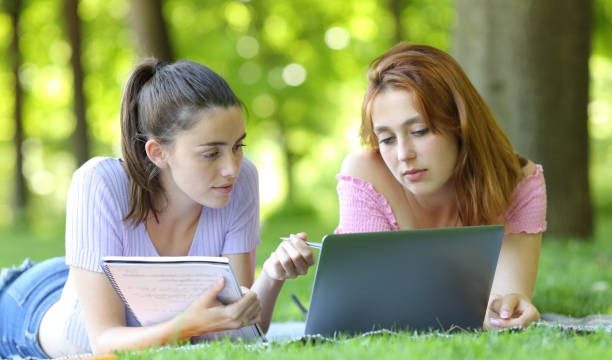
In today’s fast-paced world, the importance of collaboration among students cannot be overstated.
The ability to work together not only enhances learning but also fosters a sense of community.
Fortunately, a variety of tools are available to facilitate this collaborative spirit, making it easier for students to connect, share ideas, and grow together.
A gentle shift towards connectivity
At the heart of student collaboration lies the need for effective communication. Tools that streamline this process can transform how students interact. One such tool is Slack, a communication platform that allows users to create channels for specific topics. This feature enables students to discuss projects or coursework without the clutter of personal messages. The platform encourages a culture of open dialogue, where students can ask questions and share resources effortlessly.
Another option is Microsoft Teams, which combines chat, video calls, and file sharing in one convenient location. This integration makes it simple for students to collaborate on group assignments, even when they are miles apart. With the ability to create separate channels for different projects, students can maintain organization and focus on the task at hand.
Creating a collaborative workspace
The rise of digital whiteboards like Miro and Jamboard has made brainstorming sessions more dynamic. These tools allow students to visualize their thoughts and ideas, making it easier to connect concepts and collaborate in real-time. Whether they are sketching out ideas for a presentation or mapping out a project timeline, these platforms create an interactive space that encourages creativity and teamwork.
Visual collaboration can also extend to design projects. Tools like Canva allow students to work together on presentations, posters, or social media graphics. The user-friendly interface makes it easy for anyone, regardless of their design experience, to contribute their ideas. The ability to comment on designs in real-time fosters a sense of ownership and collective achievement.
Building relationships through collaboration
Collaboration is not just about completing assignments; it’s also about building relationships. Platforms like Discord, originally designed for gamers, have found a new purpose in educational settings. With voice and video chat options, students can engage in discussions and study sessions, creating a friendly atmosphere for learning. The casual nature of these platforms can help break down barriers and encourage more open communication among peers.
For students who thrive on face-to-face interaction, tools such as Zoom or Google Meet have become essential. These video conferencing platforms allow for virtual study groups and project meetings, making it possible for students to connect in a more personal way. The visual element of video calls can enhance understanding, as students can read each other’s expressions and body language, fostering a deeper connection.
The importance of organization
As students collaborate more, the need for organization becomes paramount. Tools like Trello and Asana can help teams manage their projects effectively. By breaking down tasks into manageable steps, students can assign responsibilities and set deadlines, ensuring everyone is on the same page. These platforms not only promote accountability but also provide a visual representation of progress, which can be motivating for the entire group.
In addition to project management, shared document platforms like Google Drive and Dropbox allow students to store and access files easily. The ability to collaborate on documents in real-time means that students can edit and provide feedback without constantly sending files back and forth. This seamless process encourages a more fluid exchange of ideas and ultimately leads to better outcomes.
Fostering a sense of community
Collaboration tools also play a significant role in fostering a sense of community among students. Online forums and discussion boards, such as Piazza, provide a space for students to ask questions and share insights outside of the classroom. This sense of belonging can greatly enhance a student’s educational experience, as they feel supported by their peers.
Social media platforms can also serve as a bridge for collaboration. Groups on Facebook or study-oriented platforms like StudyBlue allow students to connect, share resources, and discuss academic challenges. While these platforms can sometimes be distracting, they also offer opportunities for students to engage in meaningful conversations around their studies.
A mindful approach to collaboration
While technology has made collaboration more accessible, it’s essential to approach these tools mindfully. It’s easy to become overwhelmed by the sheer number of platforms available. Students should take the time to explore different options and find what works best for their needs and preferences. A balanced approach to collaboration can enhance productivity and promote a healthy learning environment.
Encouraging students to communicate openly about their preferences can lead to more effective collaboration. By fostering a culture of respect and understanding, students can create a supportive environment where everyone feels valued.
The journey of collaboration
In conclusion, the tools that facilitate collaboration among students are abundant and varied, each offering unique features to enhance the learning experience. By embracing these resources, students can connect on a deeper level, share ideas, and work together toward common goals. This journey of collaboration not only enriches their academic pursuits but also lays the foundation for lasting relationships and skills that will benefit them well beyond their school years.
As students navigate this landscape, they will discover that collaboration is more than just a means to an end; it is an opportunity to learn from one another, celebrate diverse perspectives, and grow together. The tools available today are more than just software; they are gateways to connection, understanding, and community. By taking advantage of these resources, students can embark on a fulfilling journey of collaboration that will shape their educational experience and beyond.